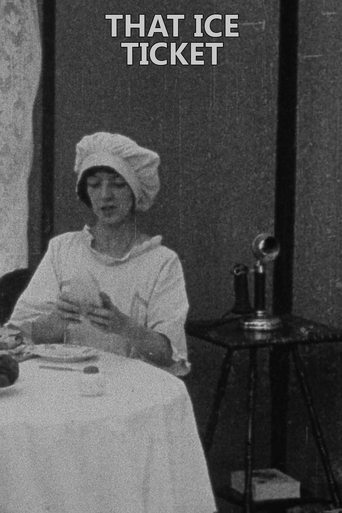
Films
1 film
About Angela Murray Gibson
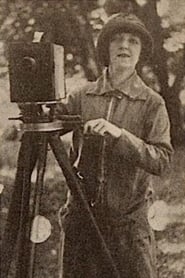
Actress and director during the silent film era, representing one of the early women filmmakers in cinema history. She emerged during a transitional period when women were increasingly taking on creative roles behind the camera, particularly as directors. Gibson's career, though relatively brief, spanned both acting and directing, demonstrating her versatility in the burgeoning film industry. Her work on 'That Ice Ticket' showcased her dual talents as both a performer and filmmaker during the mid-1910s. As part of the early generation of women directors, she contributed to the foundational development of cinematic storytelling techniques. Her career reflects the opportunities available to women in early cinema before the studio system consolidated and marginalized female directors. Gibson's work, while not widely preserved, represents an important chapter in the history of women's contributions to filmmaking.
The Craft
On Screen
Typical of silent era performers with exaggerated gestures and facial expressions to convey emotion without dialogue
Behind the Camera
Representative of early silent film techniques with focus on visual storytelling and clear narrative progression
Milestones
- Acted in and directed 'That Ice Ticket'
- One of the early women directors in silent cinema
- Contributed to early film industry during its formative years
Best Known For
Iconic Roles
Must-See Films
Why They Matter
Impact on Culture
Angela Murray Gibson represents the important but often overlooked contributions of women to early cinema. As one of the relatively few women directors during the silent era, she was part of a generation that helped establish filmmaking as an art form. Her dual role as both actress and director exemplified the fluid nature of early film roles before the industry became more specialized and gender-segregated. The work of directors like Gibson paved the way for future generations of women in filmmaking, even though their contributions were largely forgotten during the studio era's consolidation of power.
Lasting Legacy
While Gibson's specific films may not have survived the test of time, her legacy lives on as part of the broader history of women in early cinema. She represents the period when women held significant creative control in the film industry, particularly as directors during the 1910s. Her career serves as a reminder of the diverse voices that shaped early Hollywood and the opportunities that existed for women in filmmaking before the industry became more restrictive. Film historians and scholars continue to rediscover and appreciate the contributions of pioneers like Gibson who helped establish the foundations of cinematic art.
Who They Inspired
As an early woman director, Gibson influenced subsequent generations of female filmmakers simply by existing in a male-dominated field. Her work demonstrated that women could successfully handle both creative and technical aspects of filmmaking. While direct influences are difficult to trace due to the obscurity of her work, she contributed to the broader cultural acceptance of women in leadership roles within the film industry during its formative years.
Off Screen
Very limited information is available about Angela Murray Gibson's personal life, which is common for many early cinema figures who were not major stars.
Did You Know?
- One of the relatively few women directors working during the silent era
- Worked during a period when women held approximately 50% of all directing jobs in early cinema
- Her film 'That Ice Ticket' represents the type of short comedies popular in the mid-1910s
- Part of a generation of filmmakers who established basic cinematic techniques
- Her career exemplifies the early film industry's openness to women in creative roles
- Like many early film figures, much of her work has been lost to film deterioration
- Represents the transitional period before the studio system consolidated control over filmmaking
Frequently Asked Questions
Who was Angela Murray Gibson?
Actress and on YTB.my. She was one of the early women filmmakers, known for both acting in and directing the film 'That Ice Ticket'.
What films is Angela Murray Gibson best known for?
Titles linked here include That Ice Ticket.
When was Angela Murray Gibson active in cinema?
Angela Murray Gibson was active during the 1910s, working during the silent film era when opportunities for women in filmmaking were more prevalent than in later decades.
What was significant about Angela Murray Gibson as a filmmaker?
Gibson was significant as one of the early women directors in cinema history, working during a period when women held substantial creative control in the film industry before the studio system became more restrictive.
How does Angela Murray Gibson fit into film history?
She represents the important but often overlooked contributions of women to early cinema. Her dual role as actress and director exemplified the fluid nature of early film roles and the opportunities available to women in the industry's formative years.