Films
1 film
About Charles Butler
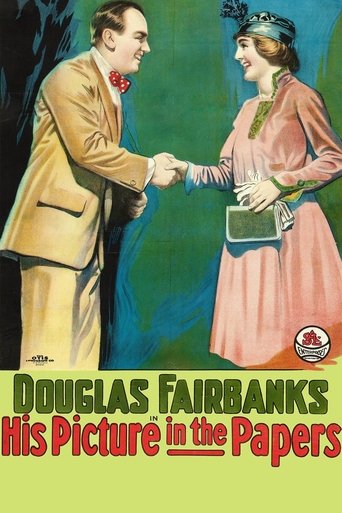
American actor who appeared briefly during the silent film era of the 1910s. His known filmography consists of a single appearance in the 1916 comedy 'His Picture in the Papers,' directed by John Emerson and starring Douglas Fairbanks. This film was produced by the Fine Arts Film Company, one of the premier studios of the early silent period. Butler's role, while minor, placed him among the ensemble cast during a significant period in American cinema development when feature-length comedies were becoming increasingly sophisticated. The film itself was notable for its satirical take on celebrity culture and media sensationalism, themes that remain relevant today. Unfortunately, like many supporting actors from this early period, detailed records of Butler's life and career are scarce, and he appears to have left the film industry after this single appearance. His brief career trajectory was not uncommon for actors during the nascent days of Hollywood, when many performers tried their hand at acting without achieving lasting success.
The Craft
Milestones
- Appeared in 'His Picture in the Papers' (1916) starring Douglas Fairbanks
Best Known For
Must-See Films
Working Relationships
Studios
Why They Matter
Impact on Culture
Charles Butler's contribution to cinema, while minimal, represents the vast network of supporting actors who helped build the foundation of early Hollywood. His appearance in 'His Picture in the Papers' places him within the context of the sophisticated comedy productions of the mid-1910s, when American cinema was transitioning from simple shorts to complex feature films. Though his individual impact was limited, he was part of an ensemble that contributed to a film exploring themes of media sensationalism and celebrity culture that remain relevant in contemporary discourse.
Lasting Legacy
Charles Butler's legacy is primarily that of a representative figure from the countless anonymous actors who populated early American cinema. His brief appearance in a Douglas Fairbanks film places him within the history of one of silent cinema's biggest stars. While he did not achieve lasting fame, his contribution exemplifies the collaborative nature of early filmmaking, where even minor roles were essential to creating the complete cinematic experience that audiences of the era enjoyed.
Who They Inspired
Due to his extremely brief film career, Charles Butler did not have a documented influence on other actors or filmmakers. His story is more representative of the many performers who passed through early Hollywood without leaving a lasting mark on the industry's development or on subsequent generations of artists.
Off Screen
Very little is documented about Charles Butler's personal life, which was typical for minor actors from the silent era who did not achieve star status. Like many performers of his generation, personal details were not extensively recorded in film industry publications unless the actor achieved significant fame.
Did You Know?
- His only known film appearance was in 1916, making his entire documented film career span just one year
- 'His Picture in the Papers' was directed by John Emerson and written by Emerson and Anita Loos
- The film he appeared in starred Douglas Fairbanks, who would become one of silent cinema's biggest stars
- Fine Arts Film Company, the studio that produced his only film, was one of the premier production companies of the 1910s
- The film's plot satirized media sensationalism and the creation of celebrity culture, themes remarkably modern for 1916
- Like many supporting actors from the silent era, no photographs of Charles Butler are widely documented
- His brief career was typical of many early film actors who appeared in only one or two productions before leaving the industry
- The film he appeared in has survived to the present day, unlike many silent films which have been lost
Frequently Asked Questions
Who was Charles Butler?
Screen credits include only one known film, 'His Picture in the Papers' in 1916. He was part of the supporting cast in this Douglas Fairbanks comedy, but like many minor actors from this period, he did not achieve lasting fame or continue in the film industry.
What films is Charles Butler best known for?
Titles linked here include His Picture in the Papers (1916).
When was Charles Butler born and when did he die?
Unfortunately, specific birth and death dates for Charles Butler are not documented in available historical records, which is common for minor actors from the silent era who did not achieve significant fame.
What awards did Charles Butler win?
Charles Butler did not receive any known awards or nominations during his brief film career. The Academy Awards were not established until 1929, well after his only known film appearance in 1916.
What was Charles Butler's acting style?
Due to the limited documentation of his career and the fact that he appeared in only one film, there are no detailed records describing Charles Butler's specific acting style or technique. As a supporting actor in a silent comedy, he would have used the exaggerated physical gestures typical of the era.
Why did Charles Butler's career end so quickly?
While specific reasons are not documented, it was common for actors in the early film industry to have very brief careers. Many tried acting without achieving success, while others may have chosen different career paths after a single film appearance.