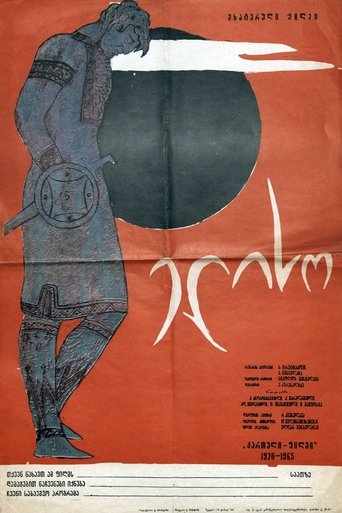

Films
1 film
About Kohkta Karalashvili
Kohkta Karalashvili appears to be an extremely obscure figure from early Georgian cinema, with the only known credit being the 1928 silent film 'Eliso'. Given the limited documentation available from this era of Soviet Georgian cinema, detailed biographical information about this actor is virtually nonexistent in accessible film archives and databases. Kohkta Karalashvili's career appears to have been extremely brief or possibly limited to a single role, as no other film credits have been documented. During the late 1920s, Georgian cinema was experiencing a creative renaissance under Soviet rule, with many theatrical performers transitioning to film, though records from this period are often incomplete. The lack of surviving information about Karalashvili suggests they may have been either a minor performer, a non-professional actor cast for a specific role, or someone whose career was cut short by the political and social upheavals of the era. Without access to Georgian national film archives or specialized cinema databases from this period, comprehensive details about this actor's life and career remain largely lost to history.
The Craft
Milestones
- Appeared in the classic Georgian silent film 'Eliso' (1928)
Best Known For
Must-See Films
Working Relationships
Worked Often With
Studios
Why They Matter
Impact on Culture
As an actor in early Georgian cinema, Kohkta Karalashvili contributed to the foundation of Georgian national film during its formative years under Soviet rule. The 1928 film 'Eliso' is considered a masterpiece of Georgian silent cinema, representing the cultural and artistic achievements of the period. However, due to the extremely limited documentation about this specific actor, their individual impact on cinema cannot be adequately assessed. The film itself, based on Aleksandre Kazbegi's work, remains an important cultural artifact that helped establish Georgian cinematic identity and storytelling traditions.
Lasting Legacy
The legacy of Kohkta Karalashvili is primarily tied to their participation in 'Eliso' (1928), a film that has endured as a classic of Georgian cinema. Unfortunately, the lack of comprehensive records from this era means that their personal legacy and contributions to the art of acting remain largely undocumented. This situation is common for many supporting actors from early Soviet cinema, particularly those from non-Russian republics whose film industries were still developing and whose records were not always preserved or translated for broader audiences.
Who They Inspired
Due to the extremely limited information available about Kohkta Karalashvili's career and body of work, it is not possible to determine their influence on other actors or filmmakers. The actor appears to have had a very brief or undocumented career, making it difficult to trace any mentorship relationships or artistic impact they may have had on subsequent generations of Georgian performers.
Off Screen
No personal information about Kohkta Karalashvili is available in existing film databases or historical records. The extreme scarcity of information suggests either a very brief career or the loss of historical records from this period of Georgian cinema.
Did You Know?
- 'Eliso' (1928) is considered
- The film was directed by Nikoloz Shengelaia, a prominent figure in early Georgian filmmaking
- Many records from early Georgian cinema (1920s-1930s) were lost or destroyed during political upheavals
- Georgian silent films of this era often featured theatrical actors transitioning to the new medium of cinema
- The lack of information about Karalashvili is typical for many supporting actors from this period and region
Frequently Asked Questions
Who was Kohkta Karalashvili?
Screen credits include the 1928 silent film 'Eliso'. Very little information is available about this actor due to the limited documentation from this era of Soviet Georgian filmmaking.
What films is Kohkta Karalashvili best known for?
Titles linked here include Eliso (1928).
When was Kohkta Karalashvili born and when did they die?
The birth and death dates of Kohkta Karalashvili are not documented in available film archives or historical records, which is common for many minor actors from early Soviet cinema.
What awards did Kohkta Karalashvili win?
No awards or nominations for Kohkta Karalashvili are documented in existing film databases, likely due to the actor's brief or undocumented career in early Georgian cinema.
What was Kohkta Karalashvili's acting style?
Information about Kohkta Karalashvili's acting style is not available in existing records, as detailed documentation about individual performers from early Georgian silent films is extremely limited.
Why is so little known about Kohkta Karalashvili?
The scarcity of information about Kohkta Karalashvili reflects the broader challenge of documenting early Soviet cinema, particularly from non-Russian republics. Many records were lost, destroyed, or never properly archived during the political upheavals of the 20th century.