
Films
2 films
About Newton Hall
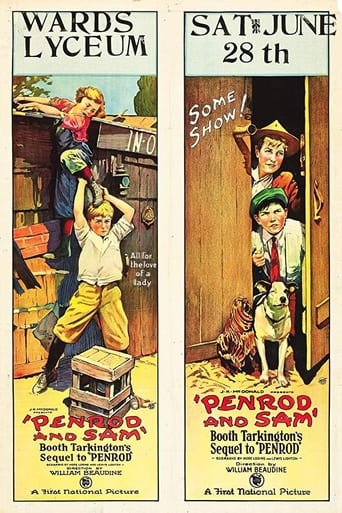
Newton Hall was cast in supporting roles in early 1920s productions. His film career, though brief, spanned from 1920 to 1923, during which he worked with notable directors of the period including Marshall Neilan and William Beaudine. Hall appeared in the comedy-drama 'Dinty' (1920), which was based on a popular stage play and starred Wesley Barry. He followed this with a role in 'Penrod and Sam' (1923), an adaptation of Booth Tarkington's beloved Penrod stories, which became one of the more successful juvenile comedies of its time. Like many character actors of the silent era, Hall specialized in portraying specific types that complemented the leading stars of his films. His career coincided with the transition from short films to feature-length productions in American cinema. Unfortunately, as with many supporting actors from this period, detailed records of his life and career are sparse, and he appears to have left the film industry before the transition to sound pictures.
The Craft
On Screen
As a character actor in silent films, Hall likely employed the exaggerated physical expressions and gestures typical of the era, using pantomime and body language to convey emotion and character traits to audiences without the benefit of synchronized dialogue.
Milestones
- Appeared in 'Dinty' (1920) directed by Marshall Neilan
- Supporting role in 'Penrod and Sam' (1923) directed by William Beaudine
- Worked during the golden age of silent film comedy
Best Known For
Iconic Roles
Must-See Films
Working Relationships
Worked Often With
Why They Matter
Impact on Culture
Newton Hall represents the legion of character actors who formed the backbone of silent era cinema, providing essential supporting performances that allowed star actors to shine. While his individual impact may have been modest, collectively, actors like Hall were crucial to the success of films during Hollywood's formative years. His work in adaptations of popular literature like Booth Tarkington's Penrod stories helped bring beloved literary characters to the silver screen for audiences of the 1920s.
Lasting Legacy
Newton Hall's legacy is preserved through his surviving film appearances, which serve as historical documents of silent era filmmaking. His participation in 'Penrod and Sam' contributes to the film's status as an example of early 1920s juvenile comedy and literary adaptation. Like many supporting actors of his generation, Hall's work remains of interest primarily to film historians and silent cinema enthusiasts who study the complete ensemble casts of classic films.
Who They Inspired
As a supporting actor with a brief career, Newton Hall's direct influence on subsequent generations of performers appears limited. However, his work exemplifies the professional character acting tradition that became a cornerstone of Hollywood cinema, where reliable supporting performers were essential to the success of film productions.
Off Screen
Very little is documented about Newton Hall's personal life, which was common for supporting actors of the silent era who did not achieve star status. Like many character actors of his time, he likely pursued acting as a profession without achieving the fame that would have warranted extensive biographical documentation in contemporary publications.
Did You Know?
- Newton Hall's film active years covered only three years during the silent era
- Both of his known surviving film roles were in productions based on literary works
- He worked with two prominent directors of the silent era: Marshall Neilan and William Beaudine
- Both films he appeared in featured child actor Wesley Barry in prominent roles
- His career ended before the transition to sound films in the late 1920s
- Like many character actors of his era, he likely played multiple roles within each film
- The films he appeared in were produced during the peak years of silent film production
- His filmography represents typical supporting actor work in early 1920s Hollywood
Frequently Asked Questions
Who was Newton Hall?
American character with credits in this catalog. He is known for his appearances in 'Dinty' (1920) and 'Penrod and Sam' (1923), both adaptations of popular literary works.
What films is Newton Hall best known for?
Titles linked here include Dinty (1920), Penrod and Sam (1923).
When was Newton Hall born and when did he die?
Unfortunately, specific birth and death dates for Newton Hall are not documented in available historical records, which is common for supporting actors of the silent era who did not achieve star status.
What awards did Newton Hall win?
There are no records of Newton Hall receiving any major awards or nominations during his brief acting career, which was typical for character actors of his era and status.
What was Newton Hall's acting style?
As a silent film actor, Newton Hall likely employed the exaggerated physical expressions and gestures characteristic of the era, using pantomime and body language to convey emotions and character traits to audiences without synchronized dialogue.
Why did Newton Hall's career end in 1923?
While specific reasons are unknown, many character actors of the silent era had brief careers due to the competitive nature of Hollywood, changing industry demands, or personal career choices. His career concluded before the major transition to sound films in the late 1920s.