Bert Lytell
Actor
Born: February 24, 1885 in New York City, New York, USA Died: September 28, 1954 Active: 1917-1935 (primarily active in silent era 1917-1928) Birth Name: Bertram Lytell
Films
1 film
About Bert Lytell
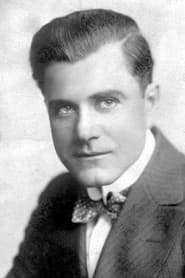
Bert Lytell (born Bertram Lytell) was a prominent American actor during the silent film era, known for his work primarily in the 1910s and 1920s. He began his career on Broadway before transitioning to films, where he quickly became a leading man for various studios including Metro Pictures and later Warner Bros. Lytell was particularly popular in romantic dramas and was often cast as the sophisticated leading man opposite some of the era's biggest female stars. Bert appears in over 60 silent films between 1917 and 1925, with 'Lady Windermere's Fan' (1925) being one of his later notable roles. Like many silent film stars, his career declined significantly with the advent of sound pictures, though he did appear in a few early talkies. After his film career waned, Lytell returned to Broadway and also worked in radio during the 1930s and 1940s. His final years were spent in relative obscurity, though he remained a respected figure among film historians who recognized his contributions to early cinema.
The Craft
On Screen
Bert Lytell was known for his refined, sophisticated acting style that perfectly suited the romantic dramas and society pictures of the silent era. He possessed a natural elegance and charm that made him ideal for playing gentlemen, aristocrats, and romantic leads. Lytell's acting was characterized by subtle facial expressions and restrained gestures, which translated well to the silent medium where actors had to convey emotion without dialogue. He had a particular talent for portraying conflicted characters torn between duty and desire, a common theme in many of his films. His screen presence was dignified yet approachable, allowing audiences to connect with his characters despite the limitations of silent performance.
Milestones
- Starred in 'The Lion and the Mouse' (1919), one of his most successful films
- Leading man for Metro Pictures Corporation in the early 1920s
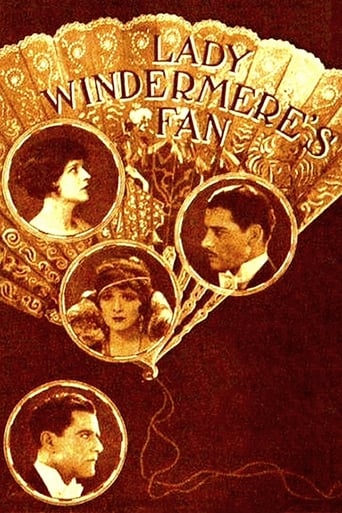
- Appeared in Ernst Lubitsch's 'Lady Windermere's Fan' (1925)
- Transitioned to Warner Bros. In the mid-1920s
- Made the difficult transition to talkies in the late 1920s
- Returned to Broadway acting in the 1930s
Best Known For
Iconic Roles
Must-See Films
Accolades
Special Recognition
- Recognized by film historians as a significant figure in silent cinema
- His films are preserved and studied by film archives and historians
Working Relationships
Worked Often With
Studios
Why They Matter
Impact on Culture
Bert Lytell represents the archetype of the sophisticated leading man that defined romantic cinema during the silent era. His career trajectory from Broadway to film stardom and eventual decline with the advent of sound mirrors the experiences of many silent film actors. Lytell's work in films like 'Lady Windermere's Fan' helped establish the conventions of romantic drama that would influence later filmmakers. His ability to convey complex emotions through subtle performance techniques demonstrated the artistry possible in silent cinema. While not as remembered today as stars like Charlie Chaplin or Rudolph Valentino, Lytell — significant figure in his time who contributed to the development of film acting techniques and the star system of early Hollywood.
Lasting Legacy
Bert Lytell's legacy lies primarily in his body of work from the silent era, which serves as a valuable record of early film acting styles and storytelling techniques. His films, particularly those preserved in archives, provide insight into the sophistication of silent cinema and the types of stories that captivated audiences in the 1910s and 1920s. Lytell represents the generation of actors who successfully navigated the transition from stage to film but struggled with the subsequent transition to sound. His career exemplifies both the opportunities and challenges faced by performers during this transformative period in cinema history. Film scholars and silent cinema enthusiasts continue to study his performances as examples of the refined acting style that characterized romantic dramas of the era.
Who They Inspired
While Bert Lytell may not have directly influenced later generations of actors in the way some silent film stars did, his work contributed to the development of screen acting techniques during the crucial early years of cinema. His approach to subtle, nuanced performance helped establish that film acting could be more intimate and realistic than the exaggerated styles common in early silent films. The sophistication and restraint he brought to his roles influenced the evolution of romantic leading men in cinema, helping move away from theatrical gestures toward more naturalistic performances.
Off Screen
Bert Lytell was married twice during his lifetime. His first marriage was to actress Claire Windsor in 1925, though the marriage ended in divorce in 1927. He later married actress Grace Valentine in 1931, with whom he remained until his death. Lytell was known as a private individual who kept his personal life largely out of the public eye, which was somewhat unusual for film stars of his era. He had no children from either marriage. After his film career declined, Lytell and his second wife lived a quieter life, with Lytell occasionally returning to theater work and radio performances.
Education
Limited information is available about Lytell's formal education, though it's known he began his career on Broadway, suggesting he may have had some theatrical training or background.
Family
- Claire Windsor (1925-1927)
- Grace Valentine (1931-1954)
Did You Know?
- Bert Lytell began his career as a stage actor on Broadway before transitioning to films.
- He was married to fellow silent film star Claire Windsor from 1925 to 1927.
- 'The Lion and the Mouse' (1919) was one of his biggest box office successes.
- Like many silent stars, he struggled to maintain his career with the advent of sound pictures.
- He appeared in over 60 silent films during his career.
- His birth name was Bertram Lytell.
- He worked with renowned director Ernst Lubitsch in 'Lady Windermere's Fan.'
- After his film career declined, he returned to theater and also worked in radio.
- He was particularly known for playing sophisticated, gentlemanly characters.
- His career peak was in the early 1920s when he was a leading man for Metro Pictures.
Frequently Asked Questions
Who was Bert Lytell?
Prominent American with credits in this catalog. Active primarily from 1917 to 1928, he appeared in over 60 films and was particularly popular in the early 1920s when he worked for major studios like Metro Pictures and Warner Bros.
What films is Bert Lytell best known for?
Titles linked here include Lady Windermere's Fan (1925), The Lion and the Mouse (1919).
When was Bert Lytell born and when did he die?
Born February 24, 1885; died September 28, 1954.
What awards did Bert Lytell win?
Bert Lytell did not receive major formal awards during his career, as the Academy Awards and other major film honors were not established during his peak years in the silent era. However, he was recognized by film historians as a significant contributor to early cinema.
What was Bert Lytell's acting style?
Bert Lytell was known for his refined, sophisticated acting style characterized by subtle facial expressions and restrained gestures. He excelled at portraying gentlemanly characters in romantic dramas, conveying complex emotions through nuanced performance rather than the exaggerated techniques common in early silent films.