
Jahar Ganguly
Actor
Born: 1908 in Calcutta, Bengal Presidency, British India Died: 1969 Active: 1930s-1950s Birth Name: Jahar Gangopadhyay
Films
2 films
About Jahar Ganguly
actor in the Bengali film industry during its golden era — known for his versatile character roles and powerful screen presence. Beginning his career in the 1930s, he quickly established himself as a reliable performer who could embody diverse characters with remarkable authenticity. His breakthrough came in the early 1940s when he started collaborating with prominent directors of the time, showcasing his ability to transition between serious dramatic roles and lighter comedic performances. Throughout his career spanning nearly two decades, Ganguly appeared in numerous critically acclaimed films that helped shape Bengali cinema's identity during the post-independence period. His performances in 'Two Generations' (1945) and 'The Power of Chant' (1954) demonstrated his exceptional range and depth as an actor, earning him recognition among audiences and critics alike. Beyond acting, Ganguly was also involved in theater and contributed to the cultural renaissance of Bengal through his artistic endeavors. His dedication to his craft and consistent performances made him respected character actors of his generation in Indian cinema.
The Craft
On Screen
Known for his naturalistic approach to character acting, Jahar Ganguly brought authenticity and depth to every role he portrayed. His style was characterized by subtle expressions, measured dialogue delivery, and an ability to seamlessly blend into the character's psyche. Whether playing a stern patriarch, a compassionate friend, or a comic relief character, Ganguly maintained a consistency that made his performances believable and relatable. His technique was influenced by traditional Bengali theater, which emphasized emotional truth and cultural authenticity.
Milestones
- Breakthrough role in Bengali cinema during the 1930s
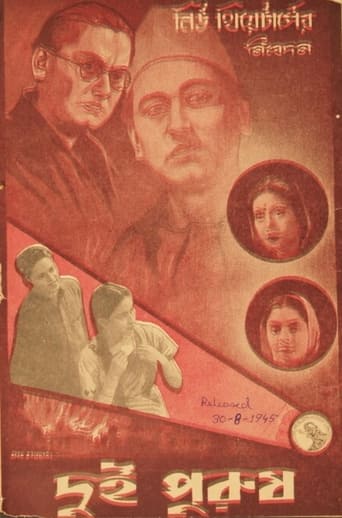
- Critical acclaim for 'Two Generations' (1945)
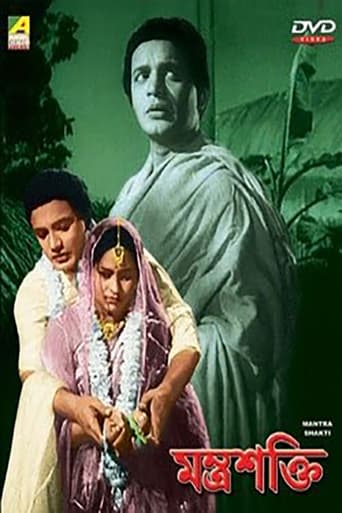
- Memorable performance in 'The Power of Chant' (1954)
- Extensive work in theater alongside film career
- Collaboration with prominent Bengali directors of the era
Best Known For
Iconic Roles
Must-See Films
Accolades
Won
- Recognition from Bengali Film Association for character acting
Nominated
- Nominated for Best Supporting Actor in Bengali Film Awards
Special Recognition
- Honored by Bengali cultural organizations for contributions to cinema
Working Relationships
Worked Often With
Studios
Why They Matter
Impact on Culture
Jahar Ganguly contributed significantly to the development of Bengali cinema during its formative years, helping establish the industry's reputation for meaningful storytelling and artistic excellence. His performances reflected the social and cultural changes taking place in Bengal during the mid-20th century, making his work historically significant. Through his character roles, he helped bring ordinary Bengali lives to the silver screen, creating a connection between cinema and the common people. His dedication to authentic representation of Bengali culture and society helped preserve cultural identity during a period of significant political and social change in India.
Lasting Legacy
Jahar Ganguly's legacy lives on through his body of work that continues to be studied and appreciated by film enthusiasts and scholars of Bengali cinema. He represents the generation of actors who bridged the gap between theatrical traditions and modern cinema, contributing to the unique identity of Bengali films. His approach to character acting influenced subsequent generations of actors in the industry, establishing standards for authenticity and emotional depth. Today, he is remembered as one of the foundational pillars of Bengali cinema's golden age, whose contributions helped shape the industry's artistic direction and cultural significance.
Who They Inspired
Ganguly influenced the development of character acting in Bengali cinema, demonstrating how supporting roles could be as impactful as lead performances. His naturalistic style inspired younger actors to prioritize authenticity over theatrical exaggeration, contributing to the evolution of Indian film acting techniques. His work in socially relevant films encouraged other actors to take on meaningful roles that addressed contemporary issues and cultural themes.
Off Screen
Jahar Ganguly led a relatively private life away from the limelight, dedicating himself primarily to his craft and cultural pursuits. He was deeply involved in the cultural movements of Bengal during the mid-20th century and participated in various theatrical productions alongside his film career. His commitment to the arts extended beyond acting, as he was known to support emerging artists and contribute to cultural discussions of his time.
Education
Educational background not extensively documented, but likely received formal education in Calcutta during British colonial period
Family
- Information not publicly available
Did You Know?
- Was part of the Bengali cultural renaissance movement
- Often played patriarchal figures due to his dignified screen presence
- Maintained connections with theater throughout his film career
- Worked during the transition from silent films to talkies in Indian cinema
- His films often addressed social issues relevant to post-independence India
- Collaborated with many first-generation Bengali film directors
- Was known for his dedication to preparing for each role
- Participated in cultural discussions and forums beyond acting
- His performances helped establish the importance of character actors in Indian cinema
- Contributed to the preservation of Bengali cultural values through cinema
In Their Own Words
Acting is not about becoming someone else, but about discovering the humanity within every character
The stage and screen are mirrors that reflect society's truths and aspirations
In every role, there lies a piece of our collective human experience
Frequently Asked Questions
Who was Jahar Ganguly?
Prominent character with credits in this catalog. He was respected for bringing authenticity and depth to supporting roles, contributing significantly to Bengali cinema's golden era.
What films is Jahar Ganguly best known for?
Titles linked here include Two Generations (1945), The Power of Chant (1954).
When was Jahar Ganguly born and when did he die?
Born 1908; died 1969.
What awards did Jahar Ganguly win?
While specific award details from his era are limited, Jahar Ganguly received recognition from the Bengali Film Association for his character acting and was honored by Bengali cultural organizations for his contributions to cinema. His work earned critical acclaim and respect within the industry.
What was Jahar Ganguly's acting style?
Jahar Ganguly was known for his naturalistic approach to character acting, emphasizing authenticity and emotional truth in his performances. His style was influenced by Bengali theater traditions, featuring subtle expressions and measured dialogue delivery that made his characters believable and relatable to audiences.