


Two Generations
"Ideals tested between ages"
Keys: Space play/pause · ←/→ 10s · F fullscreen · M mute · </> speed
About this film
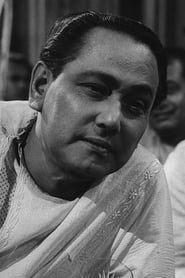
One of the early films of Chhabi Biswas featuring him as a leading man, before he came to be associated with the dominating patriarch roles that have become iconic in Bengali cinema, the film is a tale of the love, relationships and ideals of two generations. Nutubihari is an ide.
Cast & crew
More films like this
More Family films
View all →




More about this film
About the production
Release date1945
ProductionNew Theatres
Filmed inKolkata (Calcutta), India
This film was produced during the final years of World War II, when the Indian film industry was facing significant challenges including resource shortages and political unrest. The production likely took place at the famous New Theatres studio in Calcutta, which was a major center for Bengali cinema during this period.
Themes
Generational conflictIdealism vs. materialismSocial justiceMoral corruptionFamily dynamics
Themes & topics
lawyerwidowlove trianglesocial reformfamily dramamoral dilemmaclass struggleidealistcorruptionintergenerational relationships
Historical background
Two Generations reached screens around 1945, produced in its country of origin. Postwar distribution and sound standards shaped how it was marketed.
Why this film matters
Researchers cite Two Generations when tracing screen culture of its decade.
Making of
The film was produced at New Theatres, Calcutta's premier film studio during the 1930s and 1940s. This period was challenging for Indian cinema due to wartime restrictions and material shortages. The casting of Chhabi Biswas in a leading romantic role was significant, as it showcased his versatility before he became permanently associated with authoritarian patriarch characters. The film's production likely faced the typical constraints of the era, including limited film stock and technical resources, yet managed to create a sophisticated narrative exploring complex social themes. The collaboration between director Subodh Mitra and his cast represented the convergence of traditional Bengali storytelling with emerging modern cinematic techniques.
What critics said
Reviewers in 1945 weighed Two Generations on clarity, pacing, and audience response rather than prestige status. No single canonical review dominates later reference works for the title.
Did you know?
- This film represents one of Chhabi Biswas's earliest leading man roles before he became typecast as patriarch figures in later Satyajit Ray films
- The film was released during the crucial period just before India's independence, reflecting the social and political tensions of the era
- Director Subodh Mitra was known for his socially conscious films that addressed contemporary issues
- The film's themes of generational conflict were particularly relevant in post-colonial Indian society
- New Theatres, the production company, was responsible for launching many careers in Bengali cinema
- The film was made during the golden age of Bengali cinema, which produced many socially relevant and artistically significant works
- Chhabi Biswas would later become internationally famous for his roles in Satyajit Ray's Apu Trilogy and other masterpieces
- The film's exploration of idealism versus materialism reflects the broader philosophical debates in Indian society during the 1940s
Visual style
The cinematography of Two Generations would have reflected the technical limitations and artistic conventions of 1940s Bengali cinema. The visual style likely emphasized dramatic lighting and composition to convey emotional depth and social commentary. Black and white cinematography was standard during this period, and filmmakers used contrast and shadow to enhance the moral and emotional dimensions of their stories. The visual storytelling would have been influenced by both Indian theatrical traditions and emerging international cinema techniques, creating a unique aesthetic that characterized Calcutta's film industry during its golden age.
Innovations
Two Generations was produced using the technology available in mid-1940s Indian cinema, which included sound recording equipment and black and white film stock. While the film may not have introduced groundbreaking technical innovations, it likely demonstrated sophisticated narrative techniques and editing styles that were advancing Indian cinema during this period. The film's complex narrative structure, spanning multiple generations and time periods, would have required careful pacing and editing to maintain coherence and emotional impact. The production team at New Theatres was known for maintaining high technical standards despite wartime resource constraints.
Music
Specific information about the soundtrack of Two Generations is not readily available in accessible archives. However, Bengali films of the 1940s typically featured music that blended classical Indian traditions with contemporary popular styles. The musical score would have been composed to enhance the emotional impact of key scenes and reflect the cultural milieu of the story. Songs often played a crucial role in advancing the narrative and expressing characters' inner thoughts and feelings. The film's music would have been performed by prominent singers and musicians of the Calcutta film industry, contributing to its cultural authenticity and emotional resonance.
Famous quotes
The ideals we cherish in youth often become the chains that bind us in age
Every generation must fight its own battles, even if they echo those of the past
Memorable scenes
- The emotional confrontation where Nutubihari realizes he has become what he once despised
- The heartwarming scene where Bimala welcomes Kalyani into her home despite their shared history
- The climactic moment when Arun chooses to follow his father's original ideals rather than his corrupted present
What audiences thought
While specific audience reception data from 1945 is not available, the film's themes of family dynamics, social justice, and generational conflict would have resonated strongly with Bengali audiences of the period. The post-war era saw increasing audience sophistication and demand for films that addressed contemporary social issues. The presence of Chhabi Biswas, even in his early career, would have attracted audiences interested in quality cinema. The film's exploration of traditional values versus modern aspirations reflected the tensions many families were experiencing during this period of rapid social change in India.
Film connections
Influenced by
- Bengali literary traditions
- Indian social reform movements
- Theatrical storytelling conventions
- Contemporary social realist cinema
This film influenced
- Later Bengali social dramas
- Films exploring generational conflict in Indian cinema
Film restoration
The preservation status of Two Generations is uncertain, which is common for many Indian films from the 1940s. Many films from this period have been lost due to the unstable nature of early film stock and inadequate preservation facilities. The film may exist in archives in India or with private collectors, but its availability for viewing is likely limited. Efforts by the National Film Archive of India and other preservation organizations continue to locate and restore important works from this era of Indian cinema.
Where to watch
- Film archives and special screenings
- National Film Archive of India (if preserved)
- Specialized Bengali film festivals
- Academic institutions with South Asian cinema collections