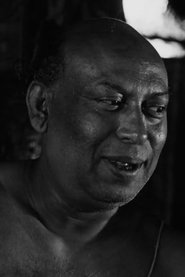
Tulsi Chakraborty
Actor
Born: March 3, 1904 in Calcutta, Bengal Presidency, British India Died: December 11, 1961 Active: 1932-1961
Films
4 films
About Tulsi Chakraborty
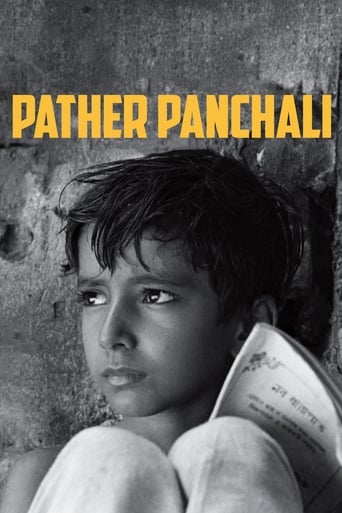
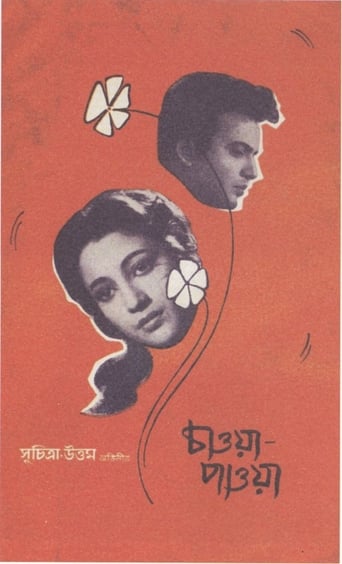
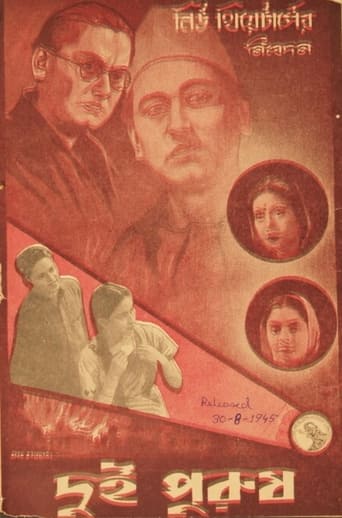
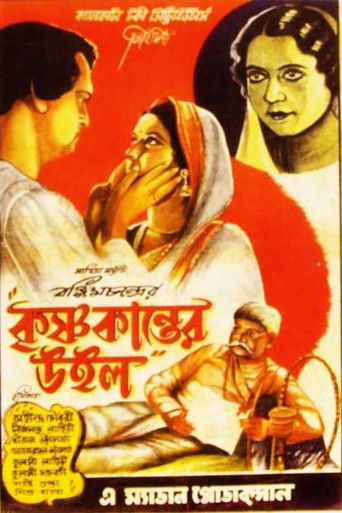
Tulsi Chakraborty was beloved comic actors in Bengali cinema during its golden era, known for his distinctive style and memorable character portrayals. Born in Calcutta in 1904, he began his acting career on the stage before transitioning to films in the early 1930s. His breakthrough came with Krishnakanter Will in 1932, establishing him as a reliable character actor with impeccable comic timing. Throughout his nearly three-decade career, Chakraborty appeared in over 100 films, working with directors like Satyajit Ray, Debaki Bose, and Nemai Ghosh. His role as the priest in Pather Panchali (1955) remains one of his most internationally recognized performances, showcasing his ability to blend humor with pathos. Despite often playing supporting roles, his performances on Bengali cinema and influenced generations of comic actors. He continued working until his death in 1961, leaving behind a legacy of memorable performances that continue to be celebrated in Indian film history.
The Craft
On Screen
Tulsi Chakraborty was known for his naturalistic comedic style that avoided slapstick in favor of subtle humor and character-driven comedy. His performances often featured a distinctive deadpan delivery and impeccable timing, allowing him to extract maximum comedic effect from minimal gestures. He had a unique ability to portray ordinary people with extraordinary quirks, making his characters relatable yet hilarious. His comic timing was complemented by his expressive face and ability to convey complex emotions even in humorous scenes.
Milestones
- Breakthrough role in Krishnakanter Will (1932)
- Memorable performance in Satyajit Ray's Pather Panchali (1955)
- Over 100 film appearances spanning three decades
- comic actor in Bengali cinema
- Successful transition from stage to film acting
Best Known For
Iconic Roles
Must-See Films
Accolades
Won
- Bengal Film Journalists' Association Awards - Best Actor in Supporting Role
Nominated
- Multiple BFJA nominations for supporting roles
Special Recognition
- Recognized as one of the comic actors in Bengali cinema
- Posthumously celebrated in Bengali film retrospectives
- Featured in documentaries about golden age of Bengali cinema
Working Relationships
Worked Often With
Studios
Why They Matter
Impact on Culture
Tulsi Chakraborty significantly shaped the landscape of Bengali cinema's comic tradition, establishing a template for character-based comedy that prioritized wit over slapstick. His work helped legitimize comedy as a serious art form within Indian cinema, showing how comic characters could carry emotional weight and social commentary. His performances in films like Pather Panchali introduced international audiences to the sophistication of Bengali comic acting, contributing to the global recognition of Indian cinema during the 1950s.
Lasting Legacy
Tulsi Chakraborty's legacy endures through his extensive filmography and the lasting influence he had on Bengali cinema's approach to comedy. He is remembered as a pioneer who elevated comic acting to an art form, inspiring generations of actors to pursue character-driven humor. His performances continue to be studied by film scholars and actors for their technical mastery and emotional depth. Film festivals in India regularly feature retrospectives of his work, keeping his contribution to cinema alive for new audiences.
Who They Inspired
Chakraborty influenced countless actors in Bengali and broader Indian cinema, demonstrating how comedy could be both entertaining and artistically sophisticated. His naturalistic style inspired actors to move away from theatrical表演 toward more nuanced, realistic performances. Directors who worked with him often cited his professionalism and artistic integrity as standards for their productions. His approach to comic timing and character development became reference points for actors specializing in comedy throughout Indian cinema.
Off Screen
Tulsi Chakraborty led a relatively private life away from the film industry, focusing primarily on his craft. He was known for his dedication to acting and maintained a humble demeanor despite his success. His personal philosophy emphasized the importance of bringing joy to audiences through his performances. He was deeply respected by his colleagues for his professionalism and commitment to his art.
Education
Limited formal education, primarily self-taught in acting through theater experience
Family
- Information not publicly available
Did You Know?
- Despite being primarily known as a comic actor, he had a serious demeanor in real life
- He began his career in theater before transitioning to films
- His role in Pather Panchali was relatively brief but became one of his most internationally recognized performances
- He often played characters who were slightly eccentric but endearing
- He worked during the transition from silent films to talkies in Bengali cinema
- His comedic style was considered more subtle and sophisticated than many of his contemporaries
- He appeared in films spanning from the early sound era to the golden age of Bengali cinema
- Many of his films are now considered classics of Indian cinema
- He was known for his professionalism and reliability on film sets
- His performances often carried subtle social commentary beneath the humor
In Their Own Words
Comedy is not just about making people laugh, it's about showing them the truth in a different way
An actor must disappear into his character, even when that character is meant to be ridiculous
The greatest comedy comes from the truth of human behavior
Frequently Asked Questions
Who was Tulsi Chakraborty?
Bengali with credits in this catalog. He appeared in over 100 films and was particularly celebrated for his naturalistic comedic style and memorable character portrayals in films like Pather Panchali.
What films is Tulsi Chakraborty best known for?
Titles linked here include Pather Panchali (1955), Krishnakanter Will (1932).
When was Tulsi Chakraborty born and when did he die?
Born March 3, 1904; died December 11, 1961.
What awards did Tulsi Chakraborty win?
He received the Bengal Film Journalists' Association Award for Best Actor in a Supporting Role and was nominated for multiple BFJA awards throughout his career. He is also posthumously honored as one of the comic actors in Bengali cinema history.
What was Tulsi Chakraborty's acting style?
Chakraborty was known for his naturalistic comedic style featuring deadpan delivery, impeccable timing, and subtle humor rather than slapstick. He specialized in portraying ordinary people with eccentric quirks, making his characters both relatable and hilarious while maintaining emotional depth.