No Poster

Films
3 films
About Ahindra Choudhury
Actor in the early era of Indian cinema, particularly active during the 1930s and 1940s. He worked primarily in Bengali cinema during its formative years when the industry was transitioning from silent films to talkies. His over a decade, during which he appeared in several significant films that contributed to the development of regional cinema in India. Choudhury was part of the generation of actors who helped establish theatrical traditions in Indian film performance, bringing stage techniques to the new medium of cinema. His work in the 1932 film 'Krishnakanter Will' came during a crucial period when Bengali cinema was finding its voice. By the time of his later films like 'Avatar' (1941) and 'Two Generations' (1945), he had established himself as a character actor capable of portraying diverse roles. His career coincided with the golden age of Bengali cinema's early development, though detailed records of his contributions remain limited due to the sparse documentation of that era.
The Craft
On Screen
While specific details about Ahindra Choudhury's acting style are not extensively documented, actors of his era in Bengali cinema typically drew heavily from theatrical traditions. His performances likely incorporated the dramatic gestures and expressive delivery common in early Indian cinema, which was influenced by both traditional Indian theater forms and Western theatrical techniques. The transition from silent films to talkies required actors to adapt their skills for sound, and Choudhury's active years covered this crucial technological shift in cinema.
Milestones
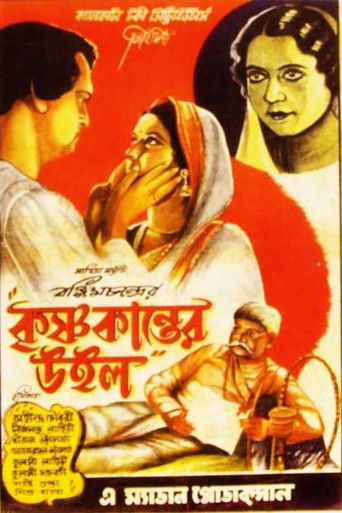
- Appeared in Krishnakanter Will (1932)
- Starred in Avatar (1941)
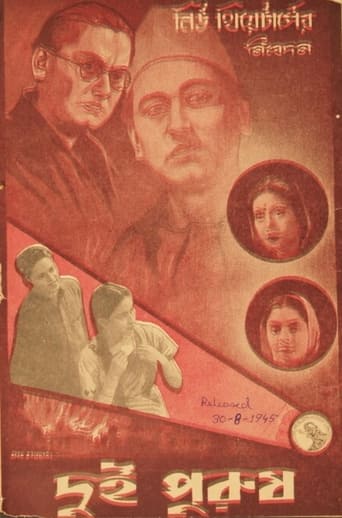
- Acted in Two Generations (1945)
- Contributed to early Bengali talkies
- Part of the foundational generation of Indian cinema actors
Best Known For
Must-See Films
Why They Matter
Impact on Culture
Ahindra Choudhury contributed to the foundational development of Bengali cinema during its crucial transition from silent films to talkies. As an actor working in the 1930s and 1940s, he was part of the generation that helped establish cinematic storytelling traditions in regional Indian cinema. His appearances in early sound films like 'Krishnakanter Will' (1932) came during a period when Bengali cinema was producing some of India's most culturally significant films, adapting literary works and addressing social themes. While individual contributions of actors from this era are often overlooked in historical narratives, performers like Choudhury were instrumental in building the artistic foundation that would later make Bengali cinema internationally renowned.
Lasting Legacy
Ahindra Choudhury's legacy lies in his role as a pioneer of Bengali cinema during its formative years. Though detailed records of his work are scarce, his filmography represents the early efforts to establish a robust regional film industry in India. The films he appeared in, particularly 'Krishnakanter Will,' are part of the historical canon of early Indian cinema that showcased the potential of film as a medium for adapting literary works and exploring cultural themes. His career spans a crucial period in Indian cinema history, witnessing and participating in the transition to sound and the establishment of narrative film traditions that would influence generations of filmmakers.
Who They Inspired
While specific information about Ahindra Choudhury's direct influence on other actors or filmmakers is not documented, actors of his era collectively influenced the development of acting styles in Indian cinema. The theatrical techniques and performance approaches common in the 1930s and 1940s set precedents for subsequent generations of actors. His work in adapting literary content for the screen contributed to the tradition of literature-based cinema that became prominent in Bengali film culture.
Off Screen
Very little documented information is available about Ahindra Choudhury's personal life, which is common for actors from early Indian cinema. The lack of comprehensive records from the 1930s and 1940s makes it difficult to piece together details about his family background, relationships, or life outside of his film career.
Did You Know?
- Ahindra Choudhury was active during the crucial transition period from silent films to talkies in Indian cinema
- His film 'Krishnakanter Will' (1932) was an early sound film in Bengali cinema
- The 1930s-1940s period he worked in is considered part of the early golden age of Bengali cinema
- Many films from this era have been lost due to poor preservation conditions
- Actors of his generation often came from theatrical backgrounds
- Early Bengali cinema was known for adapting literary works, which may have been the case with his films
- The film industry in Calcutta (now Kolkata) was one of India's major film production centers during his active years
- Detailed records of actors from early Indian cinema are often incomplete or lost
Frequently Asked Questions
Who was Ahindra Choudhury?
Indian with credits in this catalog. He was active during the early years of Indian sound cinema, appearing in films like 'Krishnakanter Will' (1932), 'Avatar' (1941), and 'Two Generations' (1945). His active years covered the crucial period when Indian cinema was establishing its artistic and technical foundations.
What films is Ahindra Choudhury best known for?
Titles linked here include Krishnakanter Will (1932), Avatar (1941).
When was Ahindra Choudhury born and when did he die?
Unfortunately, specific birth and death dates for Ahindra Choudhury are not available in documented records. This is common for many actors from early Indian cinema, as comprehensive biographical information was not systematically preserved during the 1930s and 1940s.
What awards did Ahindra Choudhury win?
There are no documented awards or honors specifically recorded for Ahindra Choudhury. During the early period of Indian cinema when he was active, formal award systems for film achievements were not yet established in the way they are today.
What was Ahindra Choudhury's acting style?
While specific details about his acting style are not extensively documented, actors of his era in Bengali cinema typically employed theatrical techniques with dramatic gestures and expressive delivery. This style was common in early Indian cinema as performers adapted from stage traditions to the new medium of film, especially during the transition to sound films.