
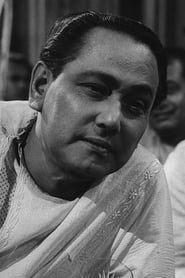
Chhabi Biswas
Actor
Born: July 12, 1900 in Kolkata, West Bengal, India Died: June 11, 1962 Active: 1935-1962 Birth Name: Chhabi Ranjan Biswas
Films
3 films
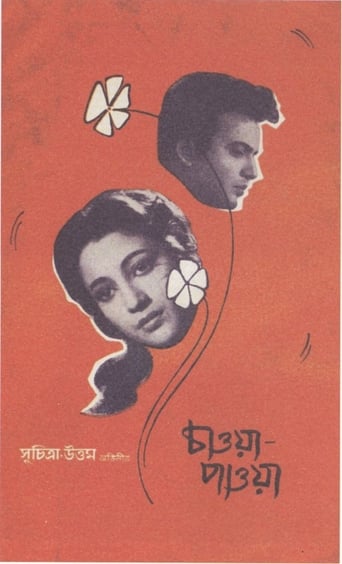
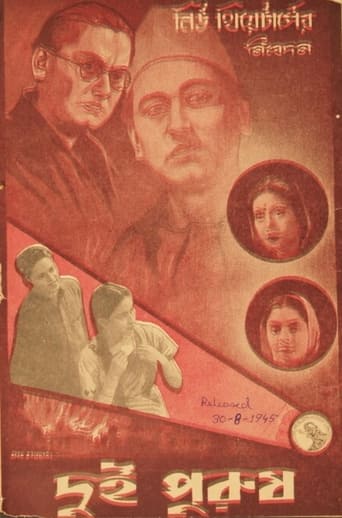
About Chhabi Biswas
Bengali actor who became figures in Indian cinema history. Born into a wealthy family, he initially pursued a career in business before discovering his passion for acting. His breakthrough came in the 1930s when he joined the theatrical scene in Kolkata, eventually transitioning to films where he found his true calling. Biswas was particularly renowned for his portrayal of aristocratic characters, often playing zamindars (landlords), judges, and other upper-class figures with remarkable authenticity and gravitas. His collaboration with director Satyajit Ray, particularly in films like 'Jalsaghar' (The Music Room) and 'Devi' (The Goddess), cemented his status as one of India's finest character actors. Despite his relatively short film career, Biswas on Bengali cinema with his powerful screen presence and methodical approach to acting. His untimely death in 1962 cut short a brilliant career that had already established him for his craft.
The Craft
On Screen
Chhabi Biswas was known for his dignified and restrained acting style, characterized by minimal gestures and maximum emotional impact. He had a unique ability to convey complex emotions through subtle facial expressions and controlled body language. His performances were marked by a certain aristocratic elegance and gravitas, making him perfect for roles of authority and nobility. Biswas employed a methodical approach to his craft, often studying the mannerisms and speech patterns of the class of people he portrayed. His deep, resonant voice and imposing presence added layers of authenticity to his characters, particularly in roles requiring authority and wisdom.
Milestones
- Breakthrough role in 'Biday Lekho' (1937)
- Landmark performance in 'Jalsaghar' (The Music Room, 1958)
- Critically acclaimed role in 'Devi' (The Goddess, 1960)
- Memorable performance in 'Kapurush' (The Coward, 1965)
- Collaboration with Satyajit Ray in multiple masterpieces
Best Known For
Iconic Roles
Must-See Films
Accolades
Won
- Bengal Film Journalists' Association Award for Best Actor (1958) for 'Jalsaghar'
- Padma Shri (Posthumous, 1962)
Nominated
- National Film Award consideration for 'Jalsaghar'
- Multiple BFJA Award nominations throughout his career
Special Recognition
- Padma Shri (India's fourth highest civilian award, posthumous)
- Legend of Bengali Cinema recognition
- Film retrospectives in international film festivals
Working Relationships
Worked Often With
Studios
Why They Matter
Impact on Culture
Chhabi Biswas revolutionized character acting in Indian cinema, particularly in the portrayal of aristocratic and traditional Bengali characters. His collaboration with Satyajit Ray helped establish Bengali cinema on the international stage, with films like 'Jalsaghar' and 'Devi' receiving critical acclaim worldwide. Biswas's dignified portrayal of declining aristocracy captured the essence of social change in post-independence India, making his performances culturally significant beyond their artistic merit. His work continues to be studied in film schools as examples of perfect character embodiment and subtle acting technique.
Lasting Legacy
Chhabi Biswas left an indelible legacy as one of Indian cinema's greatest character actors. His performances, particularly in Satyajit Ray's films, are considered masterpieces of screen acting and continue to influence actors worldwide. The Biswas style of dignified, restrained performance became a benchmark for character actors in Indian cinema. Film scholars and critics regularly cite his work as examples of how minimal acting can create maximum impact. His portrayal of the Bengali zamindar class has become the definitive representation of that social group in cinema. Several film institutes have established awards and scholarships in his memory.
Who They Inspired
Chhabi Biswas influenced generations of Indian actors with his methodical approach to character development and his ability to convey complex emotions through subtle means. Contemporary character actors in Indian cinema often cite him as a major influence. His work with Satyajit Ray established a template for the director-actor collaboration that many have tried to emulate. International filmmakers, including those from the French New Wave, praised his performances for their universal appeal despite being rooted in Bengali culture. Acting coaches use his scenes as teaching material for demonstrating the power of restraint in performance.
Off Screen
Chhabi Biswas came from a wealthy and cultured family background, which influenced his portrayal of aristocratic characters. He married early and had a family, though he kept his personal life relatively private. Despite his success in films, he maintained connections with his theatrical roots and was known for his disciplined lifestyle. His sudden death in 1962 due to a heart attack shocked the Bengali film industry and left several projects incomplete. Biswas was known for his dedication to his craft and often spent months preparing for his roles.
Education
Educated in Kolkata schools, came from an educated family background
Family
- Name not widely documented in public records
Did You Know?
- Despite being known for aristocratic roles, Biswas came from a middle-class background
- He was a trained classical singer and musician, which helped in his role in 'Jalsaghar'
- Satyajit Ray considered him irreplaceable for certain roles and wrote parts specifically for him
- Biswas was known to spend months researching and preparing for his characters
- He spoke multiple languages fluently, including English, Bengali, and Hindi
- His death left several of Satyajit Ray's planned projects in limbo
- He started his career in theater before transitioning to films
- Biswas was known for his punctuality and professionalism on film sets
- He never gave interviews, preferring to let his work speak for itself
- His performance in 'Jalsaghar' was filmed in extreme heat conditions, yet he maintained perfect composure
In Their Own Words
Acting is not about showing emotion, but about feeling it and letting the audience feel it through you.
The camera sees everything, even what you try to hide. So you must be honest in your portrayal.
I don't act, I become the character. There is a difference.
Frequently Asked Questions
Who was Chhabi Biswas?
Legendary Bengali with credits in this catalog. He is best remembered for his collaborations with director Satyajit Ray, particularly in films like 'Jalsaghar' and 'Devi', where he played complex roles with remarkable dignity and subtlety.
What films is Chhabi Biswas best known for?
Titles linked here include Jalsaghar (The Music Room, 1958), Devi (The Goddess, 1960).
When was Chhabi Biswas born and when did he die?
Born July 12, 1900; died June 11, 1962.
What awards did Chhabi Biswas win?
Chhabi Biswas won the Bengal Film Journalists' Association Award for Best Actor in 1958 for his performance in 'Jalsaghar'. He was posthumously awarded the Padma Shri, India's fourth highest civilian award, in 1962 in recognition of his contributions to Indian cinema.
What was Chhabi Biswas's acting style?
Chhabi Biswas was known for his dignified and restrained acting style, characterized by minimal gestures and maximum emotional impact. He excelled at portraying aristocratic characters with authenticity and gravitas, using subtle facial expressions and controlled body language to convey complex emotions.