Films
1 film
About Ta'avale
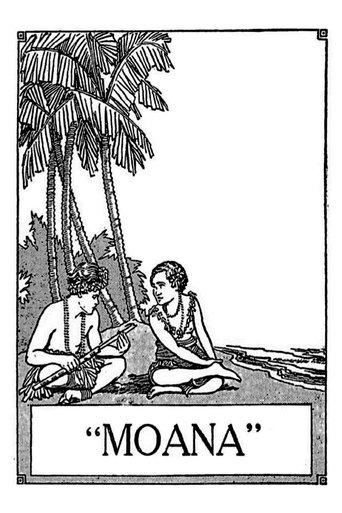
Ta'avale performed in Robert J. Flaherty's 1926 documentary film 'Moana.' As a participant in this ethnographic film, Ta'avale was one of the local Samoan people selected by Flaherty to portray aspects of traditional Samoan life on the island of Savai'i. The film was among the first documentaries to feature non-Western subjects in their natural environment, though it employed staged sequences for dramatic effect. Ta'avale's appearance in 'Moana' represents one of the earliest instances of Pacific Islander representation in cinema. Unlike professional actors of the era, Ta'avale was not a career performer but rather a community member who participated in Flaherty's cinematic project. The film's release coincided with the transition from silent films to talkies, marking Ta'avale as a figure from the final years of pure silent cinema. Very little is known about Ta'avale's life beyond their participation in this landmark documentary.
The Craft
On Screen
Naturalistic performance as a community member rather than trained actor, representing authentic Samoan life and customs in Flaherty's ethnographic documentary style
Milestones
- Appeared in Robert J. Flaherty's documentary 'Moana' (1926)
- One of the first Pacific Islanders to appear in a major documentary film
Best Known For
Iconic Roles
Must-See Films
Working Relationships
Worked Often With
Studios
Why They Matter
Impact on Culture
Ta'avale's participation in 'Moana' contributed to one of the earliest and most influential ethnographic documentaries in cinema history. The film, while controversial for its staged elements, helped establish the documentary film genre and introduced Western audiences to Samoan culture. As one of the first Pacific Islanders captured on film for international distribution, Ta'avale represents an important, though often uncredited, figure in the history of non-Western representation in cinema. The film's title later inspired the Disney animation studio, though this connection is indirect and primarily relates to the film's subject matter rather than its participants.
Lasting Legacy
Ta'avale's legacy is tied to the groundbreaking nature of 'Moana' in documentary cinema history. While individual details about their life remain obscure, their contribution to early ethnographic filmmaking represents an important moment in the representation of Pacific Islander cultures on screen. The film itself has been studied by film scholars for decades as a pivotal work in the development of documentary film techniques and cross-cultural cinema.
Who They Inspired
As a non-professional actor from the early days of documentary film, Ta'avale's influence lies primarily in their contribution to establishing the practice of using real people from the communities being documented, a technique that would become fundamental to ethnographic and documentary filmmaking in subsequent decades.
Off Screen
Very little documented information exists about Ta'avale's personal life beyond their participation in 'Moana.' As with many non-Western participants in early ethnographic films, detailed biographical records were not maintained by the filmmakers.
Did You Know?
- 'Moana' was one of the first films to be advertised with the word 'documentary,' a term coined by John Grierson
- Director Robert J. Flaherty spent over a year in Samoa filming 'Moana'
- The film was originally intended to be called 'Moana of the South Seas'
- Despite being labeled a documentary, many scenes in 'Moana' were staged or re-enacted for the camera
- Ta'avale was one of several Samoan community members who participated in the film rather than a professional actor
- The film's commercial failure led Flaherty to return to making fictional films
- 'Moana' was filmed entirely on location in Samoa using primitive camera equipment
- The film focused on traditional Samoan life before Western influence had significantly altered the culture
Frequently Asked Questions
Who was Ta'avale?
Screen credits include Robert J. Flaherty's 1926 documentary film 'Moana.' They were one of the local community members featured in this groundbreaking ethnographic film that showcased traditional Samoan life on the island of Savai'i.
What films is Ta'avale best known for?
Titles linked here include Moana (1926).
When was Ta'avale born and when did they die?
Specific birth and death dates for Ta'avale are not documented in historical records. As with many non-Western participants in early ethnographic films, detailed biographical information was not preserved by the filmmakers or studios.
What awards did Ta'avale win?
Ta'avale did not receive any individual awards or recognition for their participation in 'Moana.' During the silent era, non-professional actors from documentary films rarely received formal acknowledgment or awards from the film industry.
What was Ta'avale's acting style?
Ta'avale's performance was naturalistic rather than theatrical, as they were not a trained actor but a community member participating in Flaherty's documentary. Their style represented authentic Samoan behavior and customs as captured by the ethnographic filmmaking approach of the 1920s.