Films
1 film
About Fa'amgase
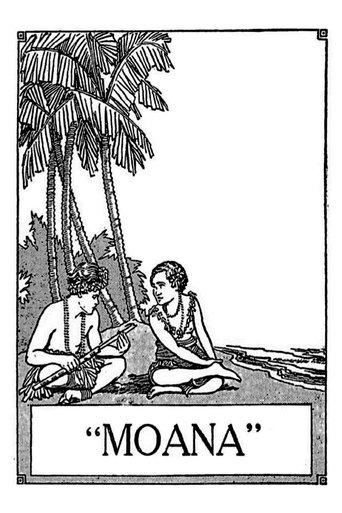
Fa'amgase worked on Robert J. Flaherty's 1926 documentary film 'Moana.' As one of the indigenous Samoan people featured in Flaherty's ethnographic work, Fa'amgase participated in what was considered one of the earliest examples of documentary filmmaking that attempted to capture authentic native life. The film was shot on location in the Samoan islands over an extended period, with Flaherty living among the local people to document their daily activities, customs, and traditional way of life. Fa'amgase's appearance in the film represents an important early example of non-Western performers being featured in cinema, though their role was likely as themselves rather than as a fictional character. The film was notable for its beautiful cinematography and its attempt to present Samoan culture without the sensationalism common in ethnographic films of the era. Unfortunately, like many indigenous performers from early cinema, detailed biographical information about Fa'amgase's life beyond their participation in 'Moana' remains scarce in historical records.
The Craft
On Screen
Naturalistic performance style typical of documentary subjects of the era, presenting authentic daily life and cultural activities rather than theatrical acting
Milestones
- Appeared in Robert J. Flaherty's landmark documentary 'Moana' (1926)
Best Known For
Iconic Roles
Must-See Films
Working Relationships
Worked Often With
Studios
Why They Matter
Impact on Culture
Fa'amgase's participation in 'Moana' represents an important moment in early cinema history, as one of the first indigenous Pacific Islander performers to be featured in a widely distributed documentary film. The film itself was groundbreaking for its attempt to present Samoan culture authentically, avoiding the sensationalism and stereotypes common in ethnographic films of the 1920s. While Fa'amgase and other performers were not actors in the traditional sense but rather people living their daily lives on camera, their contribution to cinema helped establish documentary filmmaking as a legitimate art form and provided Western audiences with one of their earliest glimpses into Samoan culture.
Lasting Legacy
Though largely forgotten by mainstream film history, Fa'amgase's legacy endures as part of the foundation of documentary cinema. The film 'Moana' in which they appeared is studied by film scholars as an early example of ethnographic filmmaking and as a precursor to what would later be called documentary. Their participation represents the important but often overlooked contributions of indigenous peoples to early cinema, serving as cultural ambassadors who shared their way of life with global audiences through the new medium of film.
Who They Inspired
As an early documentary subject, Fa'amgase influenced the development of ethnographic filmmaking by demonstrating the power of authentic cultural representation on film. Their natural presence in 'Moana' helped establish the documentary principle of observing rather than staging reality, a principle that would influence generations of documentary filmmakers including later figures like Robert Gardner and the Maysles brothers.
Off Screen
Very little is documented about Fa'amgase's personal life, as was common for many indigenous performers in early cinema. They were a member of the Samoan community where Robert J. Flaherty filmed his documentary, representing the authentic culture and daily life of the island people.
Did You Know?
- The film 'Moana' was one of the first documentaries to be given a theatrical release by a major studio (Paramount)
- Director Robert J. Flaherty lived in Samoa for over a year while filming, learning the local language
- 'Moana' was marketed as a 'documentary romance' to appeal to mainstream audiences
- The film's title comes from the name of its main subject, a young Samoan man coming of age
- Fa'amgase was one of several local Samoan people who participated in the filming
- The film was shot entirely on location in Samoa using primitive camera equipment
- 'Moana' was not as commercially successful as Flaherty's earlier film 'Nanook of the North'
- The film preservation status of 'Moana' is considered good, with prints held in major archives
Frequently Asked Questions
Who was Fa'amgase?
Screen credits include Robert J. Flaherty's 1926 documentary film 'Moana,' representing authentic Samoan culture and daily life during the early era of documentary filmmaking.
What films is Fa'amgase best known for?
Titles linked here include Moana (1926).
When was Fa'amgase born and when did they die?
Specific birth and death dates for Fa'amgase are not documented in historical records, which was common for many indigenous performers from early cinema. They were known to be active in 1926 during the filming of 'Moana' in Samoa.
What awards did Fa'amgase win?
Fa'amgase did not receive any formal awards or recognition, as was typical for documentary subjects and indigenous performers in the silent era. The film 'Moana' itself, however, is recognized as an important work in documentary film history.
What was Fa'amgase's acting style?
Fa'amgase did not employ traditional acting techniques but rather presented authentic daily life and cultural activities as a documentary subject. Their performance style was naturalistic, representing real Samoan life rather than theatrical performance.
How did Fa'amgase contribute to cinema history?
Fa'amgase contributed to cinema history as one of the first indigenous Pacific Islander performers featured in documentary film, helping establish the documentary tradition of authentic cultural representation and influencing the development of ethnographic filmmaking.