Films
1 film
About Tama
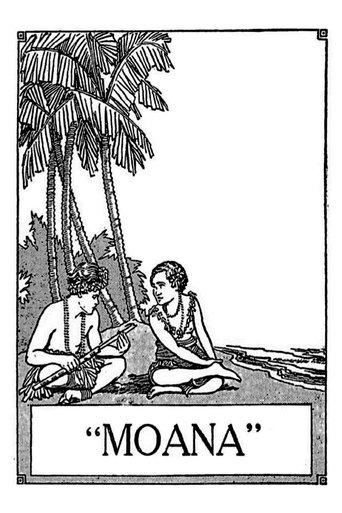
Young Samoan man who became the central subject of Robert J. Flaherty's 1926 documentary film 'Moana.' Selected by Flaherty during his extensive time living in the Samoan islands, Tama represented traditional Samoan life and culture at a time of increasing Western influence. His participation in the film documented daily activities including fishing, building canoes, and traditional ceremonies, offering Western audiences an intimate glimpse into Pacific Island life. The film followed Tama's journey from adolescence to young adulthood, capturing his participation in a traditional tattoo ceremony and his courtship of a young woman named Pe'a. Unlike professional actors of the era, Tama — authentic subject who lived the experiences portrayed on screen, making his performance uniquely genuine. His contribution to cinema history lies in being one of the first non-professional documentary subjects to achieve international recognition in a feature film. After 'Moana,' Tama returned to his traditional life in Samoa, with no known subsequent film appearances, making his cinematic legacy both singular and significant.
The Craft
On Screen
Naturalistic and authentic documentary performance, representing traditional Samoan life without theatrical affectation
Milestones
- Starred in Robert J. Flaherty's documentary 'Moana' (1926)
- One of the first authentic Pacific Islander subjects in a major documentary film
- Participated in groundbreaking ethnographic filmmaking
Best Known For
Iconic Roles
Must-See Films
Accolades
Special Recognition
- Recognized as a figure in documentary cinema history
Working Relationships
Worked Often With
Studios
Why They Matter
Impact on Culture
Tama's appearance in 'Moana' represented a significant moment in cinema history as one of the first authentic portrayals of Pacific Islander life by a native subject rather than a Western actor in brownface. His natural presence helped establish the documentary film genre and influenced how indigenous cultures would be portrayed in cinema. The film's success contributed to increased Western interest in Pacific Island cultures, though it also raised questions about the ethics of documentary filmmaking and cultural representation.
Lasting Legacy
Tama's legacy endures through his contribution to the foundation of documentary cinema and authentic cultural representation in film. As the subject of what many consider the first true documentary film, he helped establish the principle that real people could be compelling cinematic subjects without professional acting. His participation in 'Moana' continues to be studied in film schools as an early example of ethnographic filmmaking and cross-cultural documentation.
Who They Inspired
Tama's authentic performance influenced the development of documentary filmmaking techniques and demonstrated the power of real people as subjects rather than actors. His work with Flaherty helped establish precedents for how indigenous subjects could be portrayed with dignity and authenticity, influencing later documentary filmmakers who sought to capture traditional cultures on film.
Off Screen
Member of a traditional Samoan community on the island of Savai'i during the 1920s. His life before and after the film followed traditional Samoan customs and practices, including participation in community ceremonies and maintaining the cultural heritage of his people. The film documented his coming-of-age experiences, including the traditional Samoan tattoo ceremony which marked his transition to manhood.
Education
Traditional Samoan cultural education and community-based learning
Did You Know?
- Tama was not a professional actor but a regular member of his Samoan community
- The film 'Moana' was shot over two years, requiring Tama's long-term commitment
- Robert J. Flaherty lived with Tama's community for over a year before filming began
- Tama's traditional tattoo ceremony, featured prominently in the film, took several days to complete
- The film's title 'Moana' means 'ocean' in many Polynesian languages
- Tama was one of the first Pacific Islanders to appear in a widely distributed feature film
- The film was marketed as 'a romance of the South Seas' despite being a documentary
- Tama's performance was so natural that many early viewers believed the film was fiction
- His real name was never revealed to Western audiences, adding to his mysterious legacy
- The film's success led to the coining of the term 'documentary' by John Grierson
Frequently Asked Questions
Who was Tama?
Young Samoan man who starred as himself in Robert J. Flaherty's 1926 documentary 'Moana.' He was not a professional actor but a member of a traditional Samoan community whose daily life and coming-of-age experiences were documented in what is considered one of the first true documentary films.
What films is Tama best known for?
Titles linked here include Moana (1926).
When was Tama born and when did he die?
Born c. 1905; died death date not listed.
What awards did Tama win?
Tama did not receive any formal film awards or nominations during his lifetime. However, his contribution to cinema has been recognized retrospectively as significant in the development of documentary filmmaking and authentic cultural representation in film.
What was Tama's acting style?
Tama's 'acting' was actually natural behavior captured on film rather than performance. He represented authentic Samoan life without theatrical techniques, bringing genuine emotion and cultural practices to the screen. His natural presence helped establish the documentary principle that real people could be compelling without professional acting training.