Films
1 film
About Pe'a
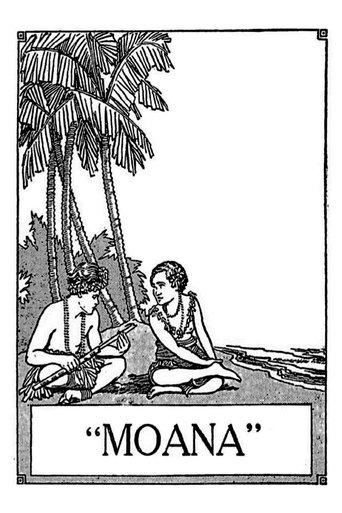
Samoan islander who gained brief recognition through his appearance in Robert J. Flaherty's 1926 documentary film 'Moana.' As one of the principal subjects of Flaherty's ethnographic film, Pe'a represented the authentic daily life and cultural practices of Samoan people during the early 20th century. The film was notable for being one of the first documentaries to feature a fictional narrative structure while maintaining authentic cultural elements. Pe'a's participation in the film came during a period when Western filmmakers were increasingly interested in documenting indigenous cultures, though often through a romanticized lens. His appearance in 'Moana' represents one of the earliest examples of Pacific Islander representation in cinema, though his career appears to have been limited to this single film. The film itself was technically innovative for its time, utilizing natural lighting and on-location shooting in Samoa. Pe'a's legacy is tied to this important early documentary that helped establish the genre of ethnographic filmmaking.
The Craft
On Screen
Naturalistic and authentic performance style typical of non-professional actors in early documentary films, representing genuine Samoan cultural practices and daily life activities
Milestones
- Appeared in Robert J. Flaherty's documentary 'Moana' (1926)
- One of the first Samoan performers featured in an internationally distributed film
- Participated in one of the earliest ethnographic documentary films
Best Known For
Iconic Roles
Must-See Films
Working Relationships
Worked Often With
Studios
Why They Matter
Impact on Culture
Pe'a's appearance in 'Moana' represents an important milestone in the representation of Pacific Islander cultures in cinema. As one of the first Samoan individuals to appear in an internationally distributed film, he helped introduce Western audiences to Samoan culture, albeit through the lens of a Western filmmaker. The film itself contributed to the development of the documentary genre and influenced how indigenous cultures were portrayed in early cinema. His authentic presence in the film provided a counterpoint to the stereotypical portrayals of island people that were common in Hollywood productions of the era.
Lasting Legacy
Pe'a's legacy is primarily tied to his role in 'Moana,' which remains a significant film in cinema history as one of the first feature-length documentaries. While his individual contributions may seem modest, he participated in a groundbreaking work that helped establish documentary filmmaking as a legitimate art form. The film's preservation and continued study by film scholars ensures that Pe'a's contribution to early cinema is remembered, even as many details about his life remain unknown.
Who They Inspired
As one of the earliest examples of non-professional indigenous actors in documentary film, Pe'a's naturalistic approach to performance influenced later ethnographic filmmakers who sought authenticity in their portrayals of native cultures. His work demonstrated the value of using actual community members to represent their own traditions and way of life, a practice that would become increasingly important in documentary filmmaking.
Off Screen
Very little is documented about Pe'a's personal life beyond his appearance in the 1926 film 'Moana.' As a Samoan islander during the early 20th century, he would have lived according to traditional Samoan cultural practices and customs. His participation in the film likely came through the film's location scouting in Samoa, where director Robert J. Flaherty sought authentic local people to portray themselves and their culture.
Did You Know?
- 'Moana' was one of the first films to be advertised with the word 'documentary'
- Director Robert J. Flaherty spent over a year in Samoa filming 'Moana'
- The film was shot entirely on location in the Samoan islands
- Pe'a was not a professional actor but a local islander cast to portray himself
- 'Moana' was initially a commercial failure but later gained recognition as a documentary
- The film's title comes from the name of the main character, not the actress Moana from Disney
- Flaherty's wife Frances assisted with the filming and development of the project
- The film was one of the first to use synchronous sound recording techniques, though it was released as a silent film
Frequently Asked Questions
Who was Pe'a?
Screen credits include Robert J. Flaherty's 1926 documentary film 'Moana.' He was not a professional actor but a local person cast to portray himself and Samoan cultural practices in this ethnographic film.
What films is Pe'a best known for?
Titles linked here include Moana (1926).
When was Pe'a born and when did he die?
Specific birth and death dates for Pe'a are not documented in historical records, which was common for non-professional performers from indigenous communities in early cinema. He was active as a performer only in 1926.
What awards did Pe'a win?
Pe'a did not receive any formal awards or recognition for his work in 'Moana,' as the film industry had not yet established comprehensive award systems for documentary films during that era.
What was Pe'a's acting style?
Pe'a's performance style was naturalistic and authentic, typical of non-professional subjects in early documentary films. He portrayed himself and demonstrated genuine Samoan cultural practices rather than following scripted dramatic conventions.