Films
1 film
About Leupenga
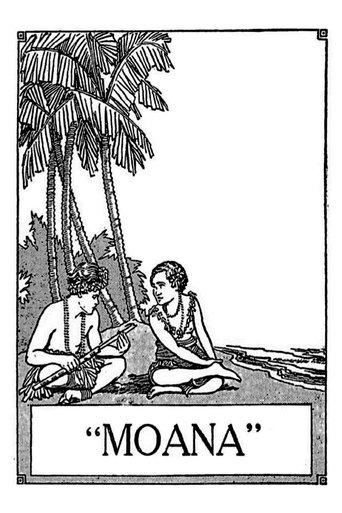
Samoan villager who gained brief international recognition through his appearance in Robert J. Flaherty's 1926 documentary film 'Moana.' As a member of the indigenous Samoan community where Flaherty filmed his project, Leupenga was not a professional actor but rather a real participant in traditional Samoan life. His role in the film showcased authentic aspects of Samoan culture, including traditional activities, ceremonies, and daily routines. The film was as one of the first documentaries to feature non-Western subjects with relative authenticity, though still filtered through a Western filmmaker's perspective. Leupenga's natural presence on screen contributed to the film's ethnographic value and its critical reception as a work in documentary cinema. His brief appearance represents the complex dynamic between indigenous subjects and Western filmmakers during the early days of cinema. Unlike professional actors of the era, Leupenga returned to his traditional way of life after filming concluded, with his legacy preserved primarily through this single cinematic work.
The Craft
On Screen
Natural, non-professional performance style typical of documentary subjects of the era, displaying authentic daily activities and traditional practices rather than theatrical acting
Milestones
- Appeared in Robert J. Flaherty's groundbreaking documentary 'Moana' (1926)
- Participated in one of the earliest ethnographic documentary films
- Represented authentic Samoan culture to international audiences
Best Known For
Iconic Roles
Must-See Films
Working Relationships
Worked Often With
Studios
Why They Matter
Impact on Culture
Leupenga's appearance in 'Moana' contributed to one of the earliest and most influential documentary films depicting non-Western cultures. The film, though created through a Western lens, provided international audiences with one of their first visual glimpses into Samoan life and traditions. His natural presence helped establish a template for ethnographic filmmaking that would influence generations of documentary filmmakers. The representation of indigenous people like Leupenga in early cinema sparked important discussions about cultural authenticity, exploitation, and the ethics of documentary filmmaking that continue to this day.
Lasting Legacy
Leupenga's legacy is preserved through his contribution to cinematic history as one of the first Samoans to appear in a widely distributed documentary film. While he was not a career actor, his participation in 'Moana' helped document aspects of traditional Samoan culture that might otherwise have been lost to time. The film itself remains a significant work in documentary cinema history, and Leupenga's authentic presence contributes to its enduring value as both an artistic work and cultural document.
Who They Inspired
As a non-professional subject in a documentary, Leupenga influenced the approach to ethnographic filmmaking by demonstrating the power of authentic, untrained subjects in conveying cultural truth. His natural performance style, free of theatrical affectation, helped establish standards for documentary authenticity that would influence filmmakers like Jean Rouch and later anthropological documentarians.
Off Screen
Very little is documented about Leupenga's personal life beyond his appearance in 'Moana.' As a Samoan villager during the 1920s, he would have lived according to traditional Samoan customs and social structures. His participation in the film was likely arranged through community agreement with the filmmakers, and he would have returned to his regular life and duties within the village after filming concluded.
Did You Know?
- 'Moana' was one of the first films to be advertised as a 'documentary' film, a term coined by John Grierson
- The film was shot on location in Safune, Samoa over a period of more than a year
- Director Robert J. Flaherty previously made 'Nanook of the North' (1922), another documentary
- Leupenga and other villagers were not paid actors but community members who agreed to participate in the filming
- The film's title character was actually a young man named Moana, not Leupenga, though both appeared as villagers
- Despite its documentary claims, some scenes in 'Moana' were staged for the camera
- The film was a commercial failure but critically praised for its artistic and ethnographic value
- Leupenga's appearance represents one of the earliest examples of Pacific Islander representation in cinema
- The film preservation status of 'Moana' is considered good, with copies held in major film archives
- Flaherty's wife Frances served as co-director and was instrumental in gaining the trust of the Samoan community
Frequently Asked Questions
Who was Leupenga?
Screen credits include Robert J. Flaherty's 1926 documentary film 'Moana.' He was not a professional actor but a community member who participated in one of the earliest ethnographic documentary films, showcasing traditional Samoan life and culture to international audiences.
What films is Leupenga best known for?
Titles linked here include Moana (1926).
When was Leupenga born and when did he die?
Specific birth and death dates for Leupenga are not documented in historical records. As a Samoan villager from the 1920s, detailed vital statistics were not maintained for most community members during this period.
What awards did Leupenga win?
Leupenga did not receive any formal awards or recognition for his appearance in 'Moana.' As a non-professional documentary subject from the 1920s, such recognition was not typically extended to indigenous participants in ethnographic films of that era.
What was Leupenga's acting style?
Leupenga did not employ a theatrical acting style but rather presented himself naturally as he went about traditional Samoan activities. His performance was characterized by authenticity and lack of self-consciousness, which contributed to the film's ethnographic value and documentary realism.
How did Leupenga impact documentary filmmaking?
Leupenga's natural presence in 'Moana' helped establish standards for authenticity in documentary filmmaking. His untrained performance demonstrated the power of real subjects over actors in conveying cultural truth, influencing generations of ethnographic and documentary filmmakers who followed.
Was Leupenga a professional actor?
No, Leupenga was not a professional actor. He was a Samoan villager who participated in the filming of 'Moana' as a community member, engaging in traditional activities and daily life rather than performing scripted roles. His brief film career consisted solely of this one documentary appearance.