Robert Desnos
Actor
Born: July 4, 1900 in Paris, France Died: June 8, 1945 Active: 1919-1945 (literary career)
Films
1 film
About Robert Desnos
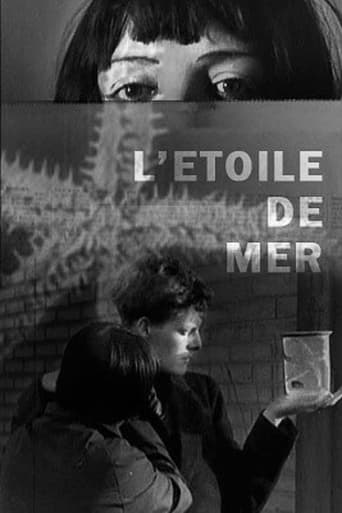
Robert Desnos was primarily known as a French surrealist poet rather than an actor, born in Paris in 1900. While deeply involved in the avant-garde artistic circles of 1920s Paris, his contributions to cinema were minimal and possibly nonexistent. The famous Desnos — prominent figure in the surrealist movement, working closely with André Breton before being expelled from the group. His poetic works were characterized by automatic writing techniques and dreamlike imagery. During World War II, he became an active member of the French Resistance, which ultimately led to his arrest and deportation. He died in 1945 at the Theresienstadt concentration camp shortly after its liberation. The attribution of an acting role in 'The Starfish' (1928) appears to be a case of mistaken identity or confusion with his involvement in surrealist artistic circles.
The Craft
Milestones
- Published first poems in 1919
- Joined surrealist movement in 1922
- Pioneered automatic writing techniques
- Expelled from surrealist group in 1929
- Worked as journalist for Paris-Soir
- Joined French Resistance during WWII
- Arrested by Gestapo in 1944
Accolades
Special Recognition
- Streets named after him in multiple French cities
- Literary awards posthumously named in his honor
- Commemorated at the Panthéon among notable Resistance members
Working Relationships
Worked Often With
Why They Matter
Impact on Culture
Robert Desnos significantly influenced surrealist literature through his innovative use of automatic writing and dream symbolism. His poetry bridged the gap between conscious and unconscious states, influencing both literary and artistic movements. His courageous resistance activities during WWII made him a symbol of intellectual courage and moral integrity in France. His works have been set to music by numerous composers and continue to be studied for their technical innovation and emotional depth.
Lasting Legacy
Desnos is remembered as. His legacy includes both his literary innovations and his heroic resistance against Nazi occupation. Schools, streets, and cultural institutions throughout France bear his name. His poetry has been translated into numerous languages and remains essential reading for students of surrealist literature.
Who They Inspired
Desnos influenced generations of poets through his experimental techniques and emotional accessibility. His work in automatic writing influenced the development of stream-of-consciousness literature. His resistance activities inspired other intellectuals to take moral stands against oppression. Contemporary poets continue to draw inspiration from his ability to combine technical innovation with emotional resonance.
Off Screen
Robert Desnos led a bohemian lifestyle in 1920s Paris, frequenting cafés and artistic gatherings. He was known for his charismatic personality and love of jazz music. During the German occupation, he risked his life by publishing underground Resistance newspapers. He married Youki Desnos (née Lucie Badoud), formerly the companion of painter Foujita, in 1930. His final years were marked by his courageous resistance activities and subsequent imprisonment.
Education
Lycée Condorcet in Paris, though he left before completing his studies to pursue writing
Family
- Youki Desnos (Lucie Badoud) (1930-1945)
Did You Know?
- Was a passionate jazz enthusiast and wrote about jazz in his columns
- Could reportedly fall into a hypnotic trance and write poetry automatically
- Was expelled from the official surrealist group for being too commercially successful
- Wrote love poetry under the pseudonym 'R. D.'
- His final poem was written on a scrap of paper in the concentration camp
- Was friends with American expatriate writers in Paris including Hemingway
- Worked as a ghostwriter for popular romance novels to support himself
- His wife Youki was a famous artists' model in Montparnasse
- Predicted his own death in several of his poems
- Was one of the first French intellectuals to be deported for resistance activities
In Their Own Words
I have dreamed of you so much that you are losing your reality
The rose is without why, it blooms because it blooms
I am in love with you without knowing how, or when, or from where
Poetry is the rhythmical creation of beauty in words
In the night of my soul, you are the star that guides me
Frequently Asked Questions
Who was Robert Desnos?
Prominent French surrealist poet and journalist, known for his innovative automatic writing techniques and his courageous role in the French Resistance during World War II. He died in 1945 shortly after being liberated from a concentration camp.
What films is Robert Desnos best known for?
Robert Desnos was not primarily known as an actor. The attribution of a role in 'The Starfish' (1928) appears to be mistaken. He was primarily known for his poetry and literary works rather than film performances.
When was Robert Desnos born and when did he die?
Born July 4, 1900; died June 8, 1945.
What awards did Robert Desnos win?
During his lifetime, Robert Desnos did not receive major literary awards. Posthumously, he has been honored with numerous commemorations including streets named after him and recognition for his resistance activities.
What was Robert Desnos's writing style?
Desnos was known for his surrealist poetry featuring automatic writing techniques, dreamlike imagery, and emotional accessibility. His work often explored themes of love, dreams, and the subconscious mind.