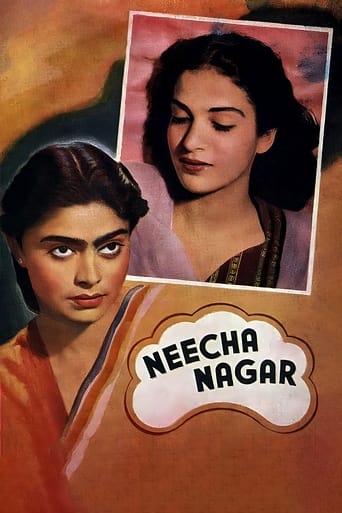
Zohra Sehgal
Actor
Born: June 27, 1912 in Saharanpur, United Provinces of Agra and Oudh, British India (now Uttar Pradesh, India) Died: July 10, 2014 Active: 1945-2014 Birth Name: Zohra Mumtaz Jafri (born as Zohra Bano)
Films
1 film
About Zohra Sehgal
Zohra Sehgal, born Zohra Bano, was an Indian actress whose remarkable over seven decades, from the 1940s until her death in 2014. She began her artistic journey as a dancer with Uday Shankar's ballet troupe in the 1930s before transitioning to acting. Her film debut came with the 'Neecha Nagar' (1946), which became the first Indian film to win recognition at the Cannes Film Festival. Throughout her career, she appeared in numerous Bollywood classics including 'Awaara', 'Mughal-e-Azam', and 'Guide', establishing herself as a versatile character actress. In her later years, she gained international recognition with roles in films like 'Bhaji on the Beach' (1993) and 'Bend It Like Beckham' (2002). Her television work, particularly in the popular Indian series 'Dekh Bhai Dekh', made her a household name across generations. Zohra Sehgal remained active well into her nineties, becoming one of cinema's most beloved and enduring performers, known for her wit, charm, and indomitable spirit.
The Craft
On Screen
Known for her naturalistic acting style, Zohra Sehgal brought authenticity and depth to every role, whether comic or dramatic. Her performances were characterized by expressive eyes, impeccable timing, and the ability to convey complex emotions with subtle gestures. Drawing from her dance background, she possessed remarkable physical presence and grace, making even supporting roles memorable. Her approach was deeply influenced by her theatre training with IPTA, emphasizing social relevance and emotional truth in her portrayals.
Milestones
- Debut in 'Neecha Nagar' (1946) - First Indian film to win at Cannes
- Member of Uday Shankar's dance troupe in the 1930s
- Co-founder of Indian People's Theatre Association (IPTA)
- Notable roles in 'Mughal-e-Azam' (1960) and 'Guide' (1965)
- International breakthrough with 'Bhaji on the Beach' (1993)
- Hollywood appearance in 'Bend It Like Beckham' (2002)
- Popular TV series 'Dekh Bhai Dekh' (1993-1994)
- Padma Shri award recipient (1998)
- Padma Vibhushan award recipient (2010)
- Active career into her 90s
Best Known For
Iconic Roles
Must-See Films
Accolades
Won
- Padma Shri (1998)
- Padma Vibhushan (2010)
- Kalidas Samman (2001)
- Sangeet Natak Akademi Award (1963)
- Filmfare Lifetime Achievement Award (2004)
- International Indian Film Academy (IIFA) Lifetime Achievement Award (2007)
Nominated
- Filmfare Award for Best Supporting Actress for 'Hum Dil De Chuke Sanam' (1999)
- Screen Award for Best Supporting Actress for 'Cheeni Kum' (2008)
- Multiple Filmfare nominations for supporting roles throughout the 1960s-1970s
Special Recognition
- Honored at the International Film Festival of India
- Lifetime Achievement Award from Indian Motion Picture Producers Association
- Recognized as one of Indian cinema's greatest character actresses
- Tributed at various international film festivals for her contributions to world cinema
Working Relationships
Worked Often With
Studios
Why They Matter
Impact on Culture
Zohra Sehgal's cultural impact transcended cinema, representing the evolution of Indian women in the arts from the colonial era through modern times. As one of the few Muslim women to pursue a career in performing arts during the 1930s-40s, she broke numerous social barriers and became a symbol of female empowerment. Her work with IPTA helped establish socially conscious cinema in India, influencing the parallel cinema movement. Her international collaborations, particularly in British cinema, helped bridge Eastern and Western film cultures, introducing authentic Indian representation to global audiences. Through her longevity and continued relevance, she demonstrated that age need not limit artistic expression, changing perceptions about older performers in Indian media.
Lasting Legacy
Zohra Sehgal's legacy endures as one of Indian cinema's most beloved and versatile character actresses. She pioneered the archetype of the warm, witty grandmother figure that became central to Bollywood family dramas, while also proving capable of complex dramatic roles. Her journey from dancer to international actress exemplified the possibilities of artistic reinvention. She left behind a body of work that spans the entire evolution of Indian cinema from its early post-independence era to contemporary global productions. Her autobiography 'Close to the Bone' provides invaluable insights into the development of Indian performing arts in the 20th century. More than her films, her indomitable spirit and continued productivity into her 100th year made her a cultural icon representing the vitality and resilience of Indian women artists.
Who They Inspired
Zohra Sehgal influenced generations of actors through her naturalistic acting style and her ability to make even small roles memorable. She demonstrated that character actors could achieve stardom and recognition, paving the way for performers like Kirron Kher and Sushma Seth. Her international success opened doors for other Indian actors in global productions, particularly for older actresses. Her theatre background influenced the acting techniques taught in Indian drama schools, emphasizing authenticity and emotional truth. Her longevity inspired actors to view aging not as a limitation but as an opportunity for deeper artistic expression. Many contemporary actresses cite her as an inspiration for maintaining relevance and dignity in the industry regardless of age.
Off Screen
Zohra Sehgal led a remarkable personal life marked by independence and resilience. She married Kamal Amrohi, a prominent film director, in 1943, though the marriage ended in separation. She had two children, a son named Shahid and a daughter named Kiran. Despite the challenges of being a single mother in conservative Indian society, she pursued her career with determination. She lived in London for several years during the 1960s and 1970s, working with BBC Radio and various theatre productions. Known for her sharp wit and zest for life, she remained active and engaged in her craft well into her centenary year, becoming an inspiration for generations of artists.
Education
Educated at Aligarh Muslim University; later studied at Queen Mary College, Lahore; received dance training at Uday Shankar's dance centre in Almora
Family
- Kamal Amrohi (1943-1945)
Did You Know?
- Lived to be 102 years old, remaining active in films until her death
- Was the only female member of Uday Shankar's dance troupe in the 1930s
- 'Neecha Nagar' was her debut film and won the Grand Prix at the first Cannes Film Festival
- Spoke fluent English, Hindi, Urdu, and Punjabi
- Worked with BBC Radio during her years in London
- Was offered a role in 'Gandhi' (1982) but had to decline due to scheduling conflicts
- Learned to drive at age 80
- Published her autobiography 'Close to the Bone' in 1997
- Was a chain smoker until age 80 when she quit cold turkey
- Performed with her dance troupe for Queen Elizabeth II in 1947
- Her granddaughter is actress Anisa Butt
- Was a close friend of Indira Gandhi
- Never formally learned acting - learned through observation and experience
In Their Own Words
Age is just a number. It's the spirit that matters.
I don't believe in retirement. When you stop working, you start dying.
Life is too short to be serious all the time. So if you can't find a reason to laugh, I will give you one.
I have lived my life on my own terms and I have no regrets.
Dance is the hidden language of the soul, and I was blessed to learn it early.
Every role, big or small, is an opportunity to touch someone's heart.
The secret to my longevity? I never stopped being curious about life.
Frequently Asked Questions
Who was Zohra Sehgal?
Indian actress, dancer, and theatre artist whose active years covered over seven decades. Born in 1912, she became one of Indian cinema's most beloved character actresses, known for her roles in both Bollywood and international films like 'Bend It Like Beckham'.
What films is Zohra Sehgal best known for?
Titles linked here include Neecha Nagar (1946), Awaara (1951).
When was Zohra Sehgal born and when did she die?
Born June 27, 1912; died July 10, 2014.
What awards did Zohra Sehgal win?
She received numerous prestigious awards including the Padma Shri (1998), Padma Vibhushan (2010), Kalidas Samman (2001), Sangeet Natak Akademi Award (1963), and Filmfare Lifetime Achievement Award (2004) for her contributions to Indian arts and cinema.
What was Zohra Sehgal's acting style?
Her acting style was naturalistic and authentic, characterized by expressive performances, impeccable comic timing, and the ability to convey deep emotions through subtle gestures. Drawing from her dance background, she brought physical grace and theatrical training to her film roles.
How did Zohra Sehgal begin her career?
She began as a dancer with Uday Shankar's prestigious ballet troupe in the 1930s, touring internationally. She later co-founded the Indian People's Theatre Association (IPTA) before making her film debut with 'Neecha Nagar' in 1946.
What was Zohra Sehgal's personal life like?
She married filmmaker Kamal Amrohi in 1943, though they separated after two years. She had two children, Shahid and Kiran, and raised them as a single mother while pursuing her career. She lived in London during the 1960s-70s, working with BBC and theatre productions.
What is Zohra Sehgal's legacy in Indian cinema?
She is remembered as one of Indian cinema's most versatile and enduring character actresses, breaking barriers for women in the arts and representing the evolution of Indian cinema from its early years to global recognition. Her longevity and continued productivity into her 100s made her an inspiration for generations of artists.