Films
1 film
About Smelsky
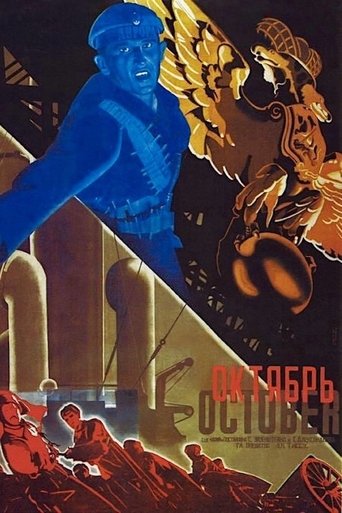
The 1927 film October (Ten Days that Shook the World) is the only title linked here for Smelsky. With his only documented film credit being in Sergei Eisenstein's revolutionary masterpiece 'October (Ten Days that Shook the World)' in 1927. His appearance in this historically significant film places him among the early generation of Soviet cinema performers who helped establish the revolutionary aesthetic of Soviet montage theory. The film itself was commissioned to commemorate the tenth anniversary of the October Revolution and was one of Eisenstein's most ambitious projects. Like many actors of this period, Smelsky's career appears to have been brief, possibly limited to this single production, which was common for non-leading actors in Soviet cinema of the time. His participation in this landmark film suggests he was part of the state-sponsored film industry that emerged after the Bolshevik Revolution. Unfortunately, detailed records about many supporting actors from this era are scarce, making comprehensive biographical reconstruction challenging.
The Craft
Milestones
- Appeared in Sergei Eisenstein's 'October (Ten Days that Shook the World)' (1927)
Best Known For
Must-See Films
Working Relationships
Worked Often With
Studios
Why They Matter
Impact on Culture
Smelsky's contribution to cinema, while limited to a single documented appearance, is significant by virtue of his participation in. 'October (Ten Days that Shook the World)' represents a pinnacle of Soviet montage theory and revolutionary cinema, and every actor who contributed to this production played a role in cinema history. The film's innovative editing techniques and political messaging influenced filmmakers worldwide, making even minor contributors part of this artistic revolution.
Lasting Legacy
While Smelsky's individual legacy as an actor is minimal due to the scarcity of documented information, his association with Eisenstein's masterpiece ensures his place in film history as a participant in one of cinema's most important revolutionary works. The film itself continues to be studied in film schools worldwide as a masterpiece of editing and political cinema.
Who They Inspired
Given the limited documentation of Smelsky's career and the brief nature of his documented film work, there is no evidence of direct influence on other actors or filmmakers. His contribution exists primarily through his participation in a historically significant film that influenced generations of cinema artists.
Off Screen
Very little is documented about Smelsky's personal life, which is typical for supporting actors from the early Soviet film period. Many biographical details about non-leading performers from this era were not systematically preserved in film archives.
Did You Know?
- Appeared in one of Sergei Eisenstein's most famous revolutionary films
- The film 'October (Ten Days that Shook the World)' was commissioned for the 10th anniversary of the Bolshevik Revolution
- Eisenstein's film used thousands of extras and supporting actors, many of whom are not well-documented in historical records
- The film was initially criticized by Soviet authorities for not being accessible enough to the masses
- Smelsky's only known film appearance was during the peak of Soviet silent cinema innovation
Frequently Asked Questions
Who was Smelsky?
Screen credits include Sergei Eisenstein's 1927 film 'October (Ten Days that Shook the World)'. Very little is documented about his career beyond this single film appearance.
What films is Smelsky best known for?
Titles linked here include October (Ten Days that Shook the World) (1927).
When was Smelsky born and when did they die?
Specific birth and death dates for Smelsky are not documented in available historical records, which is common for supporting actors from early Soviet cinema.
What awards did Smelsky win?
There are no documented awards or nominations for Smelsky, which is typical for supporting actors from this period of Soviet cinema.
What was Smelsky's acting style?
Specific details about Smelsky's acting style are not documented, but actors in Eisenstein's films typically employed expressive, theatrical techniques appropriate for silent cinema and the director's montage theory approach.