Films
1 film
About Kazuji Sakai
Kazuji Sakai appears once in this catalog: Mr (1936). Thank You. Thank You' directed by Mikio Naruse. His career appears to have been brief, with documented activity concentrated around the mid-1930s, a transformative period when Japanese cinema was transitioning from silent films to talkies. Sakai was part of the studio system that dominated Japanese film production during this era, working at a time when actors were often contracted to specific studios and appeared in numerous productions. His role in 'Mr. Thank You' places him within the context of Japan's emerging realist cinema movement, which sought to portray everyday life and social issues with greater authenticity. Unfortunately, detailed records about his broader career, training, or personal life remain scarce, as was common for many supporting actors of this period whose contributions were not extensively documented. His appearance in what would become a historically significant film, however, ensures his place in the annals of Japanese cinema history.
The Craft
Milestones
- Appeared in Mikio Naruse's 'Mr. Thank You' (1936)
- Participated in early Japanese sound cinema
- Contributed to Japan's realist film movement of the 1930s
Best Known For
Iconic Roles
Must-See Films
Working Relationships
Worked Often With
Why They Matter
Impact on Culture
Kazuji Sakai's contribution to cinema, though limited in scope, is significant through his participation in 'Mr. Thank You,' a film that represents an important milestone in Japanese cinematic history. The film itself is considered a crucial example of the shomingeki genre, which focused on the lives of ordinary people and helped establish a more realistic, socially conscious approach to Japanese filmmaking. By being part of this production during the pivotal transition from silent to sound cinema, Sakai contributed to the development of Japanese film language and storytelling techniques that would influence generations of filmmakers. The preservation of his work in this historically important film ensures that even minor performers from this era remain part of cinema's collective memory.
Lasting Legacy
While Kazuji Sakai may not have achieved widespread recognition during his lifetime, his legacy is preserved through his appearance in 'Mr. Thank You,' a film that continues to be studied by film scholars and appreciated by classic cinema enthusiasts. The film's survival and continued relevance in film history discussions means that Sakai's contribution, however small, remains part of the broader narrative of Japanese cinema's golden age. His work serves as a reminder of the many actors whose contributions to classic cinema, though not extensively documented, were essential to creating the films that have become cultural touchstones.
Who They Inspired
As a supporting actor from the early sound era, Kazuji Sakai's direct influence on subsequent generations of performers is difficult to trace, given the limited documentation of his career. However, his participation in films that helped establish realist traditions in Japanese cinema indirectly contributed to the development of acting styles that would later influence Japanese performers. The naturalistic approach to performance that characterized films like 'Mr. Thank You' would become increasingly influential in Japanese cinema, and actors like Sakai were part of this foundational movement.
Off Screen
Very little is documented about Kazuji Sakai's personal life, which was common for many supporting actors in 1930s Japanese cinema whose biographical details were not preserved in historical records.
Did You Know?
- 'Mr. Thank You' (1936) was directed by renowned Japanese filmmaker Mikio Naruse
- The film is considered an important example of the shomingeki genre, focusing on ordinary people's lives
- 1936 was during the transition period when Japanese cinema was establishing its sound film techniques
- Many supporting actors from 1930s Japanese cinema have limited biographical records preserved
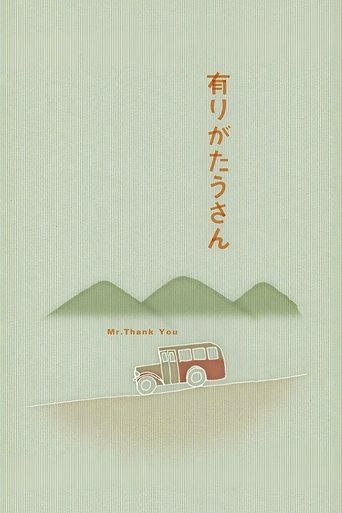
- The film's title refers to a bus driver who constantly says 'thank you' to passengers
- Mikio Naruse would later become one of Japan's most acclaimed directors
- The film was produced during a politically complex period in Japanese history
- Early Japanese sound films like this required actors to adapt their performance styles for the new medium
- The preservation of 'Mr. Thank You' allows modern audiences to see work from actors like Sakai
- The studio system of 1930s Japan often meant actors appeared in multiple films for the same company
Frequently Asked Questions
Who was Kazuji Sakai?
Japanese with credits in this catalog. Thank You' directed by Mikio Naruse. His career appears to have been brief, with documented activity concentrated around this single film credit.
What films is Kazuji Sakai best known for?
Titles linked here include Mr. Thank You (1936).
When was Kazuji Sakai born and when did he die?
Specific birth and death dates for Kazuji Sakai are not documented in available historical records, which was common for many supporting actors in 1930s Japanese cinema. He was active as an actor in 1936.
What awards did Kazuji Sakai win?
There are no documented awards or nominations for Kazuji Sakai, which was not uncommon for supporting actors during this period of Japanese cinema when formal recognition systems were less established.
What was Kazuji Sakai's acting style?
Specific details about Kazuji Sakai's acting style are not documented in available sources. However, as an actor in 'Mr. Thank You,' he would have been working within the naturalistic, realist approach that characterized Mikio Naruse's filmmaking and the shomingeki genre.
Why is Kazuji Sakai significant in cinema history?
Kazuji Sakai's significance comes primarily from his participation in 'Mr. Thank You' (1936), a historically important film that represents key developments in Japanese cinema's transition to sound and its embrace of realist storytelling.