Films
1 film
About Parul Kar
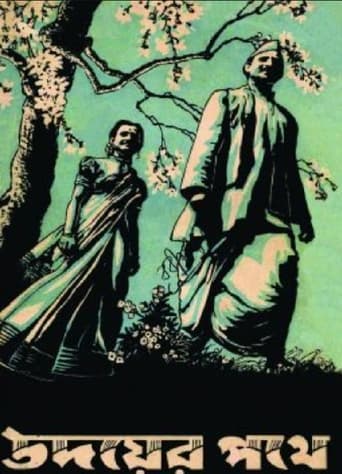
Made her mark in the golden era of Bengali cinema with a single but memorable performance. Parul appears in the critically acclaimed 1944 film 'Udayer Pathey' (Towards the Dawn), directed by the Bimal Roy. This film was for its time, addressing social issues and representing the emerging parallel cinema movement in India. Parul Kar's performance, though her only known screen appearance, contributed significantly to the film's impact and success. The film was later remade in Hindi as 'Sujata' in 1959, also directed by Bimal Roy. Despite having a brief film career limited to this one production, Parul Kar became part of cinema history through her association with this landmark film that influenced generations of Indian filmmakers. Her work in 'Udayer Pathey' showcased the naturalistic acting style that was becoming increasingly popular in Indian cinema during the 1940s.
The Craft
On Screen
Naturalistic performance style aligned with the emerging realistic approach in Indian cinema of the 1940s
Milestones
- Debut and only known film appearance in 'Udayer Pathey' (1944)
- Part of Bimal Roy's directorial debut film
- Contributed to early Indian parallel cinema movement
Best Known For
Iconic Roles
Must-See Films
Accolades
Special Recognition
- Recognized as part of the cast of a landmark film in Indian cinema history
Working Relationships
Worked Often With
Studios
Why They Matter
Impact on Culture
Parul Kar, through her role in 'Udayer Pathey', became part of a significant cultural moment in Indian cinema history. The film was instrumental in establishing the parallel cinema movement in India, which focused on realistic storytelling and social issues rather than commercial entertainment. Her contribution, though limited to a single film, helped pave the way for more serious, socially conscious cinema in India. The film's success and critical acclaim demonstrated that there was an audience for films that addressed real social problems, influencing countless filmmakers who followed.
Lasting Legacy
Parul Kar's legacy is intrinsically tied to 'Udayer Pathey', a film that remains a milestone in Indian cinema history. While her filmography consists of only this one production, her performance contributed to a work that influenced generations of Indian filmmakers. The film's themes of social reform and its realistic approach to storytelling became hallmarks of Indian parallel cinema. Parul Kar represents the many talented actors from early Indian cinema whose contributions, though sometimes limited in quantity, had lasting impact on the art form's development.
Who They Inspired
As an actress from the early phase of Indian parallel cinema, Parul Kar's naturalistic acting style in 'Udayer Pathey' contributed to the shift away from theatrical performances toward more realistic portrayals. This approach influenced subsequent generations of Bengali and Indian actors who embraced naturalistic acting methods. The film itself, featuring her performance, became a reference point for filmmakers interested in social realism and serious cinema.
Off Screen
Very limited information is available about Parul Kar's personal life, as she appeared to have had a brief career in cinema with only one known film appearance.
Did You Know?
- 'Udayer Pathey' was Bimal Roy's directorial debut
- The film was produced by New Theatres, a prominent Bengali film studio
- The film's title translates to 'Towards the Dawn' in English
- The film was later remade in Hindi as 'Sujata' (1959)
- Parul Kar's only known film appearance was in this landmark production
- The film was one of the early examples of Indian parallel cinema
- The film addressed social issues uncommon in commercial cinema of the time
- New Theatres was known for producing socially relevant films in the 1930s and 1940s
Frequently Asked Questions
Who was Parul Kar?
Screen credits include the Bengali film 'Udayer Pathey' (1944), which was her only known screen appearance. She became part of cinema history through this landmark film directed by Bimal Roy.
What films is Parul Kar best known for?
Titles linked here include Udayer Pathey (1944).
When was Parul Kar born and when did she die?
Specific birth and death dates for Parul Kar are not documented in available historical records. She was active in cinema in 1944, but detailed biographical information remains scarce.
What awards did Parul Kar win?
There are no documented awards or nominations specifically for Parul Kar. However, her film 'Udayer Pathey' received critical acclaim and is recognized as an important work in Indian cinema history.
What was Parul Kar's acting style?
Parul Kar's acting style in 'Udayer Pathey' reflected the naturalistic approach that was emerging in Indian cinema during the 1940s, moving away from theatrical performances toward more realistic portrayals that characterized the parallel cinema movement.
Why is 'Udayer Pathey' considered significant?
'Udayer Pathey' is significant as Bimal Roy's directorial debut and as an early example of Indian parallel cinema that addressed social issues realistically. The film's success demonstrated the viability of serious, socially conscious cinema in India.