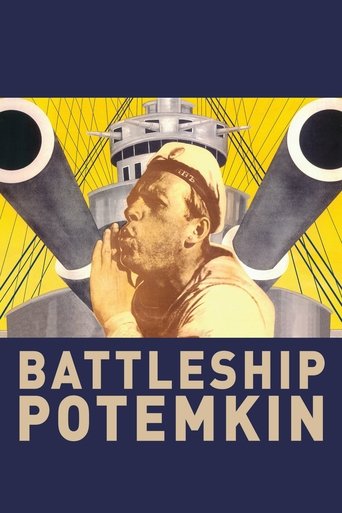
Films
1 film
About Nina Poltavtseva
Nina Poltavtseva worked on one surviving credit: Battleship Potemkin (1925). Most notably in Sergei Eisenstein's revolutionary masterpiece 'Battleship Potemkin' in 1925. Her career appears to have been extremely brief, with her only known film credit being this landmark production that would become films in cinema history. As an actress in the Soviet film industry during the 1920s, she was part of a generation of performers working under the new communist regime, which viewed cinema as a powerful tool for political education and propaganda. Her appearance in 'Battleship Potemkin' places her among the cast of technically innovative and politically charged films of the silent era. The film's international success and artistic breakthroughs in montage technique made it a cornerstone of cinematic art, though individual performers like Poltavtseva often remained anonymous figures in the collective artistic vision of Soviet directors. Her brief film career reflects the transient nature of many early film actors, particularly those who were not part of the established theatrical tradition that dominated early Soviet cinema.
The Craft
Milestones
- Appeared in Sergei Eisenstein's 'Battleship Potemkin' (1925)
Best Known For
Iconic Roles
Must-See Films
Working Relationships
Worked Often With
Studios
Why They Matter
Impact on Culture
Nina Poltavtseva's contribution to cinema, though minimal in scope, is part of the broader cultural impact of 'Battleship Potemkin,' which revolutionized film editing techniques and became a seminal work in the development of cinema as an art form. Her participation in this landmark production places her within the historical context of early Soviet cinema's golden age, when filmmakers were experimenting with new forms of cinematic expression to serve revolutionary ideals. The film itself influenced generations of directors worldwide, from Hollywood to European art cinema, and its techniques are still studied in film schools today.
Lasting Legacy
Nina Poltavtseva's legacy is intrinsically tied to her participation in one of cinema's most important early works. While she may not have achieved individual recognition or had a significant career beyond 'Battleship Potemkin,' her contribution is part of the collective effort that created this masterpiece. The film's enduring place in film history ensures that even the smallest participants are remembered as part of this groundbreaking achievement in cinematic art.
Who They Inspired
As a minor participant in a single but highly influential film, Nina Poltavtseva's direct influence on other actors or filmmakers would have been limited. However, her work contributes to the overall impact of 'Battleship Potemkin' as a teaching tool for film students and a reference point for filmmakers studying the evolution of cinema language and montage theory.
Off Screen
Very little is documented about Nina Poltavtseva's personal life, which was common for many supporting actors in early Soviet cinema who were not part of the theatrical elite. Her brief appearance in 'Battleship Potemkin' represents the extent of her known film career, suggesting she may have been a non-professional actor recruited for the production, as was common in Eisenstein's casting approach.
Did You Know?
- Appeared in what is widely considered one of the greatest films ever made
- Participated in Eisenstein's revolutionary approach to film acting, which emphasized typage over individual performance
- Her only known film credit is from 1925, the peak year of Soviet silent cinema innovation
- Like many early Soviet film actors, she may have been recruited from non-acting backgrounds
- The film she appeared in was banned in several countries including Britain and the United States for years
- Battleship Potemkin was created to commemorate the 1905 Revolution
- The famous Odessa Steps sequence in the film has been referenced and parodied in countless later films
- Eisenstein often used real sailors and workers rather than professional actors for authenticity
Frequently Asked Questions
Who was Nina Poltavtseva?
Soviet actress from the silent film era, known primarily for her appearance in Sergei Eisenstein's masterpiece 'Battleship Potemkin' (1925). Her career appears to have been extremely brief, with this landmark film being her only known credit.
What films is Nina Poltavtseva best known for?
Titles linked here include Battleship Potemkin (1925).
When was Nina Poltavtseva born and when did she die?
Unfortunately, detailed biographical information about Nina Poltavtseva, including her birth and death dates, is not available in historical records, which was common for many supporting actors in early Soviet cinema.
What awards did Nina Poltavtseva win?
There are no records of Nina Poltavtseva receiving individual awards or recognition. However, the film she appeared in, 'Battleship Potemkin,' has received numerous accolades and is consistently ranked among the greatest films ever made.
What was Nina Poltavtseva's acting style?
Specific details about Nina Poltavtseva's acting style are not documented. In 'Battleship Potemkin,' Eisenstein favored a collective approach to performance, often using non-professional actors and emphasizing typage over individual character development.
What was Nina Poltavtseva's role in Battleship Potemkin?
Nina Poltavtseva's specific role in 'Battleship Potemkin' is not clearly documented, and she may have appeared as an uncredited extra or in a minor supporting role. The film featured many actors in crowd scenes and brief appearances.