Films
1 film
About Konstantin Feldman
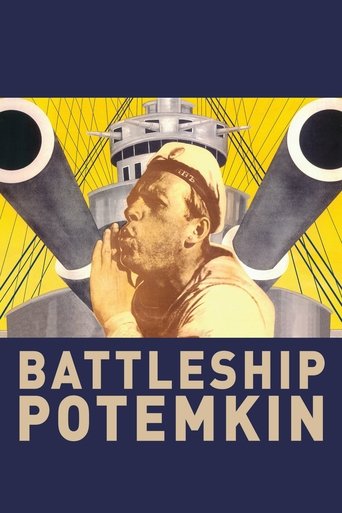
The 1925 film Battleship Potemkin is the only title linked here for Konstantin Feldman. Known primarily for his single credited role in Sergei Eisenstein's revolutionary masterpiece 'Battleship Potemkin' (1925). As a young actor in the burgeoning Soviet film industry, Feldman was part of the cast that helped create films in cinema history. His performance, though brief, contributed to the film's powerful depiction of the 1905 naval mutiny that became a cornerstone of Soviet cinema. Following his appearance in this landmark film, Feldman appears to have faded from the film industry, with no other documented acting credits. His career represents the many anonymous contributors who helped shape early Soviet cinema but whose names have been largely lost to history. The film itself went on to become and studied works in film history, though individual actors like Feldman received little recognition at the time.
The Craft
Milestones
- Appeared in Sergei Eisenstein's 'Battleship Potemkin' (1925)
Best Known For
Iconic Roles
Must-See Films
Working Relationships
Worked Often With
Studios
Why They Matter
Impact on Culture
Konstantin Feldman's contribution to cinema, while minimal in scope, is part of the larger cultural impact of 'Battleship Potemkin,' a film that revolutionized cinematic language and influenced generations of filmmakers worldwide. The film's innovative editing techniques, particularly the Odessa Steps sequence, became foundational to film theory and practice. Though Feldman himself was not a major figure, his participation in this landmark work connects him to. The film served as powerful Soviet propaganda while also transcending its political context to become a universal statement about oppression and revolution.
Lasting Legacy
Konstantin Feldman's legacy is inextricably linked to his role in 'Battleship Potemkin,'. While he did not have a significant individual career, his contribution to this cinematic masterpiece places him within the historical narrative of early Soviet cinema. The film continues to be studied, referenced, and revered by filmmakers, critics, and scholars worldwide, ensuring that even minor contributors like Feldman remain part of cinema's permanent historical record. His story represents the countless anonymous actors who participated in creating the foundational works of world cinema.
Who They Inspired
As a bit player with only one known film credit, Konstantin Feldman had no direct influence on other actors or filmmakers. However, through his participation in 'Battleship Potemkin,' he indirectly contributed to a film that influenced countless directors, including Alfred Hitchcock, Brian De Palma, and Francis Ford Coppola. The film's techniques and themes continue to resonate in contemporary cinema, making even its minor participants part of this ongoing influence.
Off Screen
Very little is known about Konstantin Feldman's personal life beyond his brief appearance in Soviet cinema. As an obscure actor from the early Soviet film period, detailed biographical information has not been preserved in historical records.
Did You Know?
- Konstantin Feldman appeared in only one known film during his career
- 'Battleship Potemkin' was his first and only film credit
- The film he appeared in is considered one of the greatest films ever made
- His role was as a young sailor during the famous mutiny sequence
- The film was commissioned by the Soviet government to commemorate the 1905 revolution
- Despite the film's international acclaim, most of its cast members remained obscure
- The film was banned in several countries including the UK and Germany for many years
- Feldman was one of many non-professional actors used by Eisenstein for authenticity
Frequently Asked Questions
Who was Konstantin Feldman?
Soviet ' He played a young sailor in what would become a major star.
What films is Konstantin Feldman best known for?
Titles linked here include Battleship Potemkin (1925).
When was Konstantin Feldman born and when did he die?
Specific birth and death dates for Konstantin Feldman are not available in historical records. He was active during the early Soviet film period around 1925, but detailed biographical information about this obscure actor has been lost to history.
What awards did Konstantin Feldman win?
There are no records of Konstantin Feldman receiving any personal awards or recognition. However, the film he appeared in, 'Battleship Potemkin,' has received numerous accolades over the decades and is consistently celebrated as one of cinema's greatest achievements.
What was Konstantin Feldman's acting style?
Given that Feldman appeared in only one film and played a minor role as a young sailor, there is insufficient information to determine his specific acting style. Like many actors in early Soviet cinema, he likely followed the realistic, non-theatrical approach preferred by director Sergei Eisenstein.