Films
1 film
About A. Glauberman
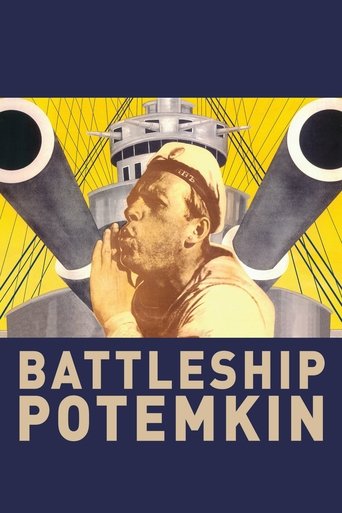
A. Glauberman appears once in this catalog: Battleship Potemkin (1925). ' As an actor in the formative period of Soviet filmmaking, Glauberman was part of the revolutionary artistic movement that sought to create a new cinematic language aligned with communist ideals. His appearance in Eisenstein's film places him at the heart of one of cinema's most influential productions, though his specific role in the film is not well-documented in historical records. The fact that his career appears to have been limited to 1925 suggests he may have been an amateur actor, theater performer recruited for the film, or someone who pursued acting only briefly during this experimental period of Soviet cinema. Like many actors from early Soviet films, particularly those in minor or ensemble roles, detailed biographical information about Glauberman has been lost to time, reflecting the challenges of documenting all participants in these landmark productions.
The Craft
Milestones
- Appeared in Sergei Eisenstein's 'Battleship Potemkin' (1925)
Best Known For
Iconic Roles
Must-See Films
Working Relationships
Worked Often With
Studios
Why They Matter
Impact on Culture
A. Glauberman's cultural impact is primarily through his participation in 'Battleship Potemkin,'. While his individual contribution may have been minor, he was part of a production that revolutionized film editing techniques and established montage as a powerful cinematic tool. The film itself has been studied, analyzed, and referenced by countless filmmakers and film scholars worldwide, making every participant, however small their role, part of cinema's revolutionary heritage. His appearance in this Soviet masterpiece connects him to the early Soviet cinema movement that sought to use film as a tool for social and political change.
Lasting Legacy
A. Glauberman's legacy is tied to his participation in one of cinema's most groundbreaking films. While he did not achieve lasting fame as an individual performer, his contribution to 'Battleship Potemkin' makes him part of film history. The film continues to be preserved and studied by film institutions worldwide, ensuring that all who contributed to its creation, including minor actors like Glauberman, are remembered as participants in this cinematic milestone. His story also represents the many anonymous or semi-anonymous actors who contributed to early cinema but whose individual stories have been lost to history.
Who They Inspired
Due to the limited documentation of A. Glauberman's career and specific contributions to cinema, his direct influence on other actors or filmmakers cannot be traced. However, as a participant in Eisenstein's revolutionary film techniques, he was part of a production that influenced generations of filmmakers worldwide, from Alfred Hitchcock to Brian De Palma. The film's editing techniques and political cinema approaches continue to influence filmmakers today, making Glauberman indirectly part of this lasting cinematic influence.
Off Screen
Very little is known about A. Glauberman's personal life, as he appears to have been a minor actor in Soviet cinema with only one documented film credit. Like many participants in early Soviet films, particularly those in supporting or background roles, biographical details were not systematically preserved.
Did You Know?
- Appeared in what is widely considered one of the greatest and most influential films ever made
- Participated in Soviet cinema during its revolutionary early period under Lenin's New Economic Policy
- His only known film credit is from 1925, the same year the Soviet film industry was nationalized
- Battleship Potemkin was initially banned in many countries including the United States and Britain for its revolutionary content
- The film's famous 'Odessa Steps' sequence has been parodied and referenced in numerous films throughout cinema history
- Many actors in early Soviet films were recruited from theater groups or were non-professionals chosen for their appearance
- The film was created to commemorate the 20th anniversary of the 1905 Russian Revolution
- Eisenstein's innovative montage techniques in the film influenced film editing theory for decades
Frequently Asked Questions
Who was A. Glauberman?
Soviet with credits in this catalog.' Very little biographical information exists about him, suggesting he was likely a minor actor or extra who had a brief career in early Soviet cinema.
What films is A. Glauberman best known for?
Titles linked here include Battleship Potemkin (1925).
When was A. Glauberman born and when did he die?
Specific birth and death dates for A. Glauberman are not documented in available historical records. His only known film work dates from 1925, placing him as an actor during the early Soviet cinema period.
What awards did A. Glauberman win?
There are no documented awards or nominations for A. Glauberman. As a minor actor in 1925 Soviet cinema with only one known film credit, he would not have been eligible for the film award systems that developed later in cinema history.
What was A. Glauberman's acting style?
Due to limited documentation of his specific role and performance in 'Battleship Potemkin,' A. Glauberman's acting style cannot be definitively characterized. Actors in early Soviet films were often directed to emphasize collective action and ideological messaging over individual performance.
Why is so little known about A. Glauberman?
The scarcity of information about A. Glauberman reflects the challenges of documenting all participants in early cinema, particularly in Soviet films where many actors were amateurs, theater performers, or individuals in crowd scenes whose biographical details were not systematically recorded.