Films
1 film
About Eduardo de C. Tarragó
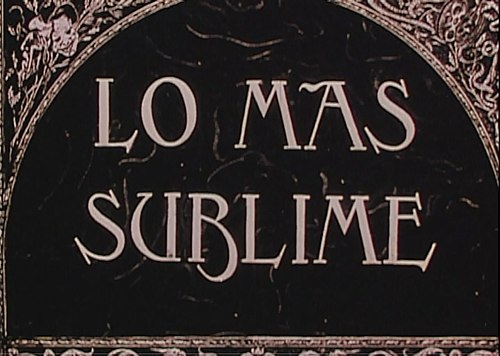
Eduardo de C. Tarragó performed in 1927 film 'The Most Sublime. ' Unfortunately, very little detailed information is available about his life and career beyond this single film credit. Given the Spanish/Portuguese structure of his name and the timing of his appearance in cinema, he may have been a Latin American or European actor working during the transition period of late silent cinema. His brief film career appears to have been limited to 1927, suggesting he may have been a bit player or someone who only briefly pursued acting before the industry transitioned to sound films. The lack of extensive documentation about his career indicates he was not a major star of the era, but rather one of the many supporting actors who populated the films of the late 1920s.
The Craft
Milestones
- Appeared in 'The Most Sublime' (1927)
Best Known For
Must-See Films
Why They Matter
Impact on Culture
Due to the extremely limited documentation of Eduardo de C. Tarragó's career, his cultural impact cannot be adequately assessed. As an actor who appeared in only one known film during the silent era, he represents the thousands of anonymous performers who contributed to early cinema but whose stories have been lost to time. His existence serves as a reminder of the vast number of artists who participated in the formative years of filmmaking but left little trace in historical records.
Lasting Legacy
Eduardo de C. Tarragó's legacy is primarily that of an obscure figure from the silent era, representing the many actors whose contributions to early cinema have been largely forgotten. His single known film credit places him as a minor participant in the final years of silent filmmaking before the industry's transition to sound. While his individual impact may have been minimal, collectively, actors like him formed the foundation of the film industry's early development.
Who They Inspired
There is no documented evidence of Eduardo de C. Tarragó's influence on other actors or filmmakers, likely due to the brevity of his known career and the lack of detailed historical records about his work and relationships within the industry.
Off Screen
Very little information is available about the personal life of Eduardo de C. Tarragó, as he appears to have been a minor figure in cinema history with limited documentation.
Did You Know?
- Appeared in only one known film during his entire career
- His film career coincided with the final years of the silent era
- The full title 'The Most Sublime' suggests the film may have been a drama or religious-themed production
- His name structure indicates possible Spanish or Portuguese heritage
- 1927 was a pivotal year in cinema, marking the release of 'The Jazz Singer' and the beginning of the sound revolution
Frequently Asked Questions
Who was Eduardo de C. Tarragó?
Screen credits include only one known film, 'The Most Sublime' in 1927. Very little information is available about his life and career beyond this single credit.
What films is Eduardo de C. Tarragó best known for?
Titles linked here include The Most Sublime (1927).
When was Eduardo de C. Tarragó born and when did he die?
Unfortunately, the birth and death dates of Eduardo de C. Tarragó are not documented in available historical records, reflecting his status as an obscure figure from early cinema.
What awards did Eduardo de C. Tarragó win?
There are no records of Eduardo de C. Tarragó receiving any awards or nominations for his work in film, which is consistent with his status as a minor actor from the silent era.
What was Eduardo de C. Tarragó's acting style?
Due to the lack of documentation about his performances and the absence of surviving information about his work, Eduardo de C. Tarragó's acting style cannot be determined from available historical records.