Films
1 film
About Yiwei Qiu
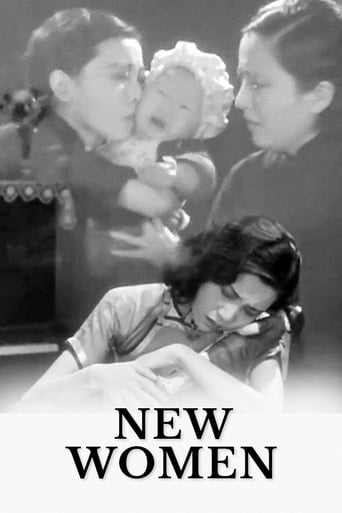
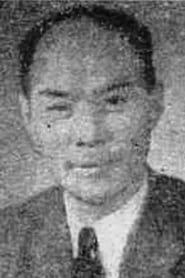
Yiwei Qiu appears once in this catalog: New Women (1935). directed by Cai Chusheng. This film was works of early Chinese cinema, addressing themes of women's liberation and social reform in Republican China. Qiu's appearance in this film places him within the context of Shanghai's vibrant film industry during the 1930s, which was often referred to as the 'Hollywood of the East.' The film itself was controversial and led to the suicide of its star Ruan Lingyu shortly after its release, making it a historically significant work in Chinese cinema history. Unfortunately, detailed records about many supporting actors from this era are limited, and Qiu's career appears to have been brief, with no other documented film performances.
The Craft
Milestones
- Appeared in the landmark 1935 film 'New Women' directed by Cai Chusheng
Best Known For
Iconic Roles
Must-See Films
Working Relationships
Worked Often With
Studios
Why They Matter
Impact on Culture
Yiwei Qiu's contribution to cinema, while brief, is part of the larger cultural movement of 1930s Chinese cinema that addressed social issues and modernization. His participation in 'New Women' places him within a film that was notable for its feminist themes and social commentary. The film itself became a cultural touchstone in Chinese cinema history, influencing generations of filmmakers and serving as a document of the social tensions in Republican China. Though his individual role may have been small, he was part of a production that challenged traditional Chinese values and advocated for women's rights and modern education.
Lasting Legacy
Yiwei Qiu's legacy is primarily tied to his involvement in 'New Women' (1935), which remains. The film's cultural significance, its connection to Ruan Lingyu's tragic death, and its bold social themes have ensured its preservation in film history. While Qiu himself may not have achieved lasting fame as an individual, his contribution to this important work means he is part of Chinese cinema's foundational period. The film continues to be screened at international film festivals and studied in academic contexts, preserving the memory of all who contributed to its creation.
Who They Inspired
As a supporting actor from early Chinese cinema, Yiwei Qiu's direct influence on subsequent generations of performers is difficult to trace. However, his participation in 'New Women' contributed to a film that influenced countless Chinese filmmakers in its approach to social realism and feminist themes. The film's technical achievements and bold subject matter helped establish standards for Chinese cinema that would influence the industry for decades to come.
Off Screen
Very little is documented about Yiwei Qiu's personal life, which was common for many supporting actors in early Chinese cinema. Detailed biographical records from this era are often incomplete, particularly for actors who had brief careers or played minor roles.
Did You Know?
- 'New Women' was the final film of legendary Chinese actress Ruan Lingyu, who committed suicide shortly after its release
- The film was so controversial that it was banned by Chinese authorities for its critical portrayal of the press and society
- Director Cai Chusheng faced intense criticism and legal troubles following the film's release
- The film was partially inspired by the real-life story of Chinese actress Ai Xia, who also committed suicide
- 1935 was a pivotal year for Chinese cinema, with many socially conscious films being produced in Shanghai
- The film's original running time was 110 minutes, but only fragments and versions with varying lengths survive today
- Shanghai in the 1930s was the center of Chinese film production, earning the nickname 'Hollywood of the East'
- Many supporting actors from this era, like Qiu, have sparse historical records despite their contributions to important films
Frequently Asked Questions
Who was Yiwei Qiu?
Chinese with credits in this catalog.' His career appears to have been brief, with this being his only documented film credit, placing him as a minor figure in the golden age of Chinese cinema.
What films is Yiwei Qiu best known for?
Titles linked here include New Women (1935).
When was Yiwei Qiu born and when did they die?
Specific birth and death dates for Yiwei Qiu are not documented in available historical records. This is common for many supporting actors from early Chinese cinema, where biographical information was often not preserved for those who had brief or minor careers.
What awards did Yiwei Qiu win?
There are no documented awards or honors for Yiwei Qiu. The film industry in 1930s China did not have the extensive award systems that exist today, and records for supporting actors from this period are often incomplete.
What was Yiwei Qiu's acting style?
There is insufficient documentation to determine Yiwei Qiu's specific acting style or techniques. As a supporting actor in a single 1935 film, detailed analysis of his performance approach is not available in historical records.