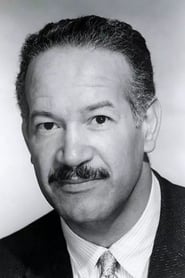
Frank Silvera
Actor
Born: July 24, 1914 in Kingston, Jamaica Died: June 11, 1970 Active: 1940s-1970
Films
1 film
About Frank Silvera
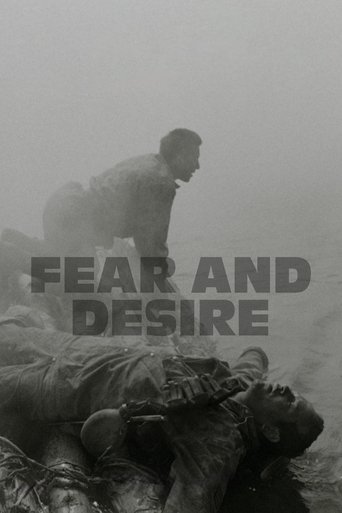
Jamaican-American actor: three decades of American cinema and television. Born in Kingston, Jamaica, he moved to the United States as a child and developed a passion for acting while studying at Columbia University. Silvera became a founding member of the prestigious Actors Studio, where he honed his method acting techniques alongside legends like Marlon Brando and Montgomery Clift. Despite facing significant racial barriers in Hollywood, he established himself as a versatile character actor, often cast in various ethnic roles due to his ambiguous appearance and linguistic skills. His breakthrough came with his powerful performance in Elia Kazan's 'Viva Zapata!' (1952), followed by his memorable role in Stanley Kubrick's debut feature 'Fear and Desire' (1953). Silvera continued to work steadily in film and television throughout the 1950s and 1960s, appearing in notable productions like 'The Killing' (1956) and 'One-Eyed Jacks' (1961). Tragically, his promising career was cut short when he died in an accidental electrocution at his home in 1970, at the age of 55.
The Craft
On Screen
Method acting approach with intense, naturalistic performances. Silvera was known for his ability to disappear into diverse ethnic roles, bringing psychological depth and authenticity to each character. His training at the Actors Studio emphasized emotional truth and immersive character preparation.
Milestones
- Founding member of the Actors Studio
- Breakthrough role in 'Viva Zapata!' (1952)
- Starred in Stanley Kubrick's debut 'Fear and Desire' (1953)
- Appeared in 'The Killing' (1956)
- Worked with Marlon Brando in 'One-Eyed Jacks' (1961)
- roles for actors of color in Hollywood
Best Known For
Iconic Roles
Must-See Films
Accolades
Special Recognition
- Founding Member of the Actors Studio
- Posthumous recognition as an actor of color
Working Relationships
Worked Often With
Studios
Why They Matter
Impact on Culture
Trailblazer for with credits in this catalog. His ability to portray diverse ethnic roles with authenticity challenged Hollywood's typecasting practices and opened doors for future generations of minority actors. As a founding member of the Actors Studio, he helped establish method acting as a dominant technique in American cinema, bringing greater psychological depth and realism to film performances.
Lasting Legacy
Silvera's legacy lies in his role as one of the first successful method actors of color in Hollywood. He demonstrated that actors from minority backgrounds could handle complex, nuanced roles that transcended racial stereotypes. His work with legendary directors like Kubrick and Kazan helped legitimize the presence of actors of color in prestigious productions. The Actors Studio, which he helped found, continues to be.
Who They Inspired
Silvera influenced generations of actors by proving that method acting techniques could be successfully applied to roles traditionally marginalized by Hollywood. His success in both independent films like 'Fear and Desire' and studio productions like 'The Killing' showed that actors of color could work across all levels of the industry. His dedication to craft over commercial appeal inspired many performers who followed, particularly during the Civil Rights era when opportunities for minority actors began to expand.
Off Screen
Frank Silvera was married twice during his lifetime. He was known for his dedication to his craft and his role in breaking racial barriers in Hollywood. He was a beloved figure in the acting community and mentored many younger performers. His death was particularly tragic as it occurred during a period when he was gaining significant recognition for his contributions to American cinema.
Education
Columbia University, Actors Studio (founding member)
Family
- Anna L. Cottle (1942-1962)
- Thelma Oliver (1965-1970)
Did You Know?
- Was of Jamaican descent but could convincingly portray various ethnicities including Latino, Native American, and Asian characters
- Was a founding member of the Actors Studio alongside Marlon Brando, Montgomery Clift, and Julie Harris
- Spoke multiple languages fluently, which helped him secure diverse ethnic roles
- Died tragically at age 55 from accidental electrocution while fixing a garbage disposal
- His role in 'Fear and Desire' was one of the few leading roles he received in his career
- Was often called 'the man of a thousand faces' due to his remarkable versatility
- Studied at Columbia University before pursuing acting full-time
- Was a close friend and frequent collaborator with Marlon Brando
- Despite his talent, he was often limited to supporting roles due to racial barriers in Hollywood
- His death cut short what many believed would be an even more influential career in the 1970s
In Their Own Words
Acting is not about being someone different. It's finding the similarity in what is apparently different, then finding myself in there.
In Hollywood, they don't see color, they see box office. But sometimes they can't see past the color to see the actor.
Frequently Asked Questions
Who was Frank Silvera?
Jamaican-American with credits in this catalog. He broke racial barriers as one of the first successful method actors of color in American cinema.
What films is Frank Silvera best known for?
Titles linked here include Fear and Desire (1953), Viva Zapata! (1952).
When was Frank Silvera born and when did he die?
Born July 24, 1914; died June 11, 1970.
What awards did Frank Silvera win?
While Frank Silvera did not receive major formal awards during his lifetime, he was recognized posthumously as a figure for actors of color in Hollywood. His greatest honor was being a founding member of the prestigious Actors Studio, which remains.
What was Frank Silvera's acting style?
Silvera — method actor trained at the Actors Studio, known for his intense, psychologically deep performances. He specialized in disappearing into diverse ethnic roles with remarkable authenticity, bringing emotional truth and complexity to characters that might otherwise have been stereotyped.
How did Frank Silvera impact Hollywood?
Silvera broke significant racial barriers in Hollywood by proving that actors of color could handle complex, nuanced roles in both independent and studio films. His success helped pave the way for future generations of minority actors and expanded the range of roles available to performers of color in American cinema.
What was Frank Silvera's connection to Marlon Brando?
Silvera and Brando were close friends and frequent collaborators, both being founding members of the Actors Studio. They worked together in 'Viva Zapata!' (1952) and 'One-Eyed Jacks' (1961), with Silvera often serving as a mentor figure to the younger Brando during their early years in Hollywood.