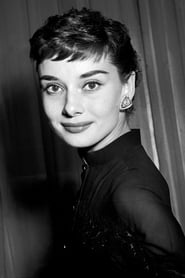
Audrey Hepburn
Actor
Born: May 4, 1929 in Ixelles, Brussels, Belgium Died: January 20, 1993 Active: 1948-1989 Birth Name: Audrey Kathleen Ruston
Films
1 film
About Audrey Hepburn
Audrey Hepburn was born Audrey Kathleen Ruston in Brussels, Belgium, to a British father and Dutch mother. She began her career as a ballet dancer in the Netherlands before moving to London to study dance and eventually transitioning to acting. Her breakthrough came in 1953 with 'Roman Holiday,' for which she won an Academy Award, launching her into international stardom. Throughout the 1950s and 1960s, she became one of Hollywood's most beloved stars, known for her elegant style and captivating performances in films like 'Sabrina,' 'Breakfast at Tiffany's,' and 'My Fair Lady.' In her later years, she dedicated herself to humanitarian work as a UNICEF Goodwill Ambassador, traveling to impoverished countries to advocate for children's rights. Hepburn's unique combination of grace, intelligence, and compassion made her not just a film icon but a cultural phenomenon whose influence extends far beyond cinema. She received numerous honors for both her artistic contributions and humanitarian efforts before her death from cancer in 1993.
The Craft
On Screen
Hepburn was known for her naturalistic, understated acting style that combined vulnerability with sophistication. Her performances were characterized by delicate precision, subtle emotional depth, and an innate ability to convey complex feelings through minimal gestures and expressive eyes. Unlike many of her contemporaries, Hepburn avoided theatrical melodrama in favor of a more restrained, authentic approach that made her characters relatable despite their often glamorous settings.
Milestones
- Academy Award win for Roman Holiday (1953)
- Golden Globe wins for Roman Holiday and The Nun's Story
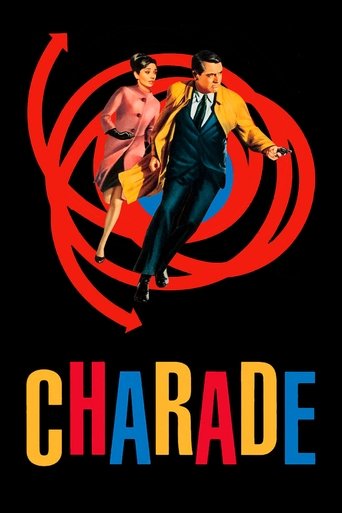
- BAFTA wins for Roman Holiday and Charade
- Emmy Award for Gardens of the World with Audrey Hepburn (1993)
- Jean Hersholt Humanitarian Award (1993)
- Presidential Medal of Freedom (1992)
Best Known For
Iconic Roles
Must-See Films
Accolades
Won
- Academy Award for Best Actress - Roman Holiday (1953)
- Golden Globe Award for Best Actress - Roman Holiday (1954)
- BAFTA Award for Best British Actress - Roman Holiday (1954)
- BAFTA Award for Best British Actress - Charade (1964)
- Tony Award for Best Actress in a Play - Ondine (1954)
- Emmy Award for Outstanding Individual Achievement - Gardens of the World with Audrey Hepburn (1993)
- Screen Actors Guild Life Achievement Award (1992)
Nominated
- Academy Award nominations for Sabrina (1954), The Nun's Story (1959), Breakfast at Tiffany's (1961), Wait Until Dark (1967)
- Golden Globe nominations for Sabrina, War and Peace, Love in the Afternoon, The Nun's Story, Breakfast at Tiffany's, My Fair Lady, Two for the Road, Wait Until Dark
- BAFTA nominations for Sabrina, The Nun's Story, Breakfast at Tiffany's, My Fair Lady, Two for the Road
Special Recognition
- Hollywood Walk of Fame Star (1960)
- Jean Hersholt Humanitarian Award (1993)
- Presidential Medal of Freedom (1992)
- UNICEF's International Goodwill Ambassador (1988-1993)
- American Film Institute's Greatest Female Stars of All Time - Ranked #3
- Council of Fashion Designers of America Lifetime Achievement Award (1987)
- Commander of the Order of the British Empire (1992)
Working Relationships
Worked Often With
Studios
Why They Matter
Impact on Culture
Audrey Hepburn revolutionized Hollywood's concept of female beauty and style, moving away from the voluptuous glamour of the 1940s toward a more slender, elegant aesthetic. Her collaboration with designer Hubert de Givenchy created iconic fashion moments that continue to influence style decades later. Hepburn's portrayal of independent, intelligent women helped reshape gender roles in cinema, while her humanitarian work with UNICEF established a new standard for celebrity activism. Her image as both a sophisticated fashion icon and compassionate humanitarian created a dual legacy that transcended entertainment.
Lasting Legacy
Hepburn's legacy encompasses both her revolutionary impact on cinema and fashion and her profound humanitarian contributions. She remains. Her films continue to be celebrated for their timeless appeal, while her work with UNICEF has inspired generations of celebrities to use their fame for humanitarian causes. The Audrey Hepburn Children's Fund continues her work, and her image remains synonymous with elegance, grace, and compassion.
Who They Inspired
Hepburn influenced generations of actresses through her natural acting style and screen presence, moving away from theatrical performances toward more authentic, emotionally nuanced portrayals. Her collaboration with Givenchy established the model for celebrity-designer partnerships that dominates modern fashion. Her humanitarian work paved the way for celebrity activism, demonstrating how fame could be leveraged for global causes. Contemporary actresses often cite her as an influence for combining artistic achievement with social responsibility.
Off Screen
Hepburn had two marriages and maintained a relatively private personal life despite her immense fame. She married Mel Ferrer in 1954, with whom she had one son, Sean, before divorcing in 1968. She later married Italian psychiatrist Andrea Dotti in 1969 and had another son, Luca, before their divorce in 1982. Her final companion was Robert Wolders, with whom she spent her last years. Hepburn's experiences during World War II in Nazi-occupied Netherlands profoundly shaped her worldview and later humanitarian work.
Education
Studied ballet at the Arnhem Conservatory in Netherlands, attended Marie Rambert's ballet school in London, studied acting with Felix Aylmer
Family
- Mel Ferrer (1954-1968)
- Andrea Dotti (1969-1982)
Did You Know?
- She spoke fluent English, Dutch, French, Spanish, and Italian
- Survived malnutrition during World War II by eating tulip bulbs and trying to bake grass
- Was a trained ballerina who once considered dance her primary career
- Her iconic 'little black dress' from Breakfast at Tiffany's sold for $923,000 at auction in 2006
- Was one of the few entertainers to win an Emmy, Grammy, Oscar, and Tony (EGOT status)
- Her feet were size 10, considered large for her height, which sometimes caused her discomfort
- Turned down the role of Anne Frank in the 1959 film adaptation
- Was offered the role of Helen in 'The Lion in Winter' but declined
- Her son Sean was named after the character she played in 'The Unforgiven'
- Never won a Golden Globe for a competitive role despite multiple nominations
In Their Own Words
To plant a garden is to believe in tomorrow.
For beautiful eyes, look for the good in others; for beautiful lips, speak only words of kindness; and for poise, walk with the knowledge that you are never alone.
The best thing to hold onto in life is each other.
I was born with an enormous need for affection, and a terrible need to give it.
I never think of myself as an icon. What is in other people's minds is not in my mind. I just do my thing.
Frequently Asked Questions
Who was Audrey Hepburn?
British actress and humanitarian who became one of Hollywood's most iconic stars. Known for her elegance, distinctive style, and natural acting ability, she starred in classic films like 'Roman Holiday,' 'Breakfast at Tiffany's,' and 'My Fair Lady.' Later in life, she dedicated herself to humanitarian work as a UNICEF Goodwill Ambassador.
What films is Audrey Hepburn best known for?
Titles linked here include Roman Holiday (1953), Sabrina (1954).
When was Audrey Hepburn born and when did she die?
Born May 4, 1929; died January 20, 1993.
What awards did Audrey Hepburn win?
Hepburn won an Academy Award for 'Roman Holiday,' multiple Golden Globes, BAFTAs, a Tony Award for Broadway, and an Emmy Award. She also received the Jean Hersholt Humanitarian Award and the Presidential Medal of Freedom for her humanitarian work with UNICEF.
What was Audrey Hepburn's acting style?
Hepburn's acting style was characterized by naturalistic, understated performances that combined vulnerability with sophistication. She favored subtle emotional expression over theatrical melodrama, using her expressive eyes and precise movements to convey complex emotions with minimal effort.
How did Audrey Hepburn influence fashion?
Hepburn revolutionized fashion through her collaboration with designer Hubert de Givenchy, creating iconic looks including the little black dress from 'Breakfast at Tiffany's.' Her slender, elegant aesthetic moved Hollywood away from voluptuous glamour toward a more sophisticated style that continues to influence fashion decades later.
What humanitarian work did Audrey Hepburn do?
Hepburn served as a UNICEF Goodwill Ambassador from 1988 until her death in 1993. She traveled extensively to impoverished countries, raising awareness about children's issues and helping secure funding for humanitarian programs. Her work earned her the Presidential Medal of Freedom and established a new standard for celebrity humanitarianism.