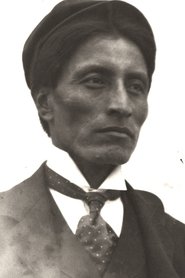
Chief Yellow Robe
Actor
- Active
- 1930-1930
Films 1
About Chief Yellow Robe
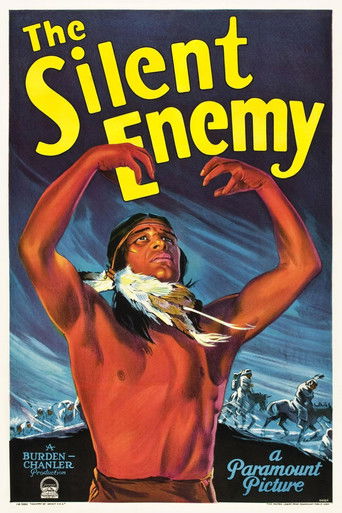
Chief Yellow Robe was an Indigenous American actor best remembered for his appearance in the early sound-era adventure drama The Silent Enemy (1930), a film notable for its attempt to dramatize Native life with a largely Native cast and ethnographic ambition. His screen career, as currently documented, appears to have been very limited, and surviving records suggest that he belonged to the group of Native performers occasionally employed by Hollywood in the transition from silent film to early talkies. Because the historical record on him is sparse, many personal details of his life remain undocumented in mainstream film references, which is itself a reflection of how many Indigenous performers were marginalized or inadequately credited in the classic studio era. Even so, his credited participation in The Silent Enemy places him within an important chapter of early Hollywood representation, when studios sometimes used Native actors for authenticity in films about Indigenous subjects. His name suggests a chosen professional or ceremonial title rather than a conventional Hollywood stage name, but available sources do not clearly confirm a birth name. In film history terms, he is part of the larger, often under-acknowledged body of Native performers who helped shape the look and feel of early American cinema while receiving little lasting public recognition. The scarcity of detailed biographical information means his legacy is preserved primarily through the film itself and through filmographic databases rather than through extensive contemporary publicity or memoir literature.
More about Chief Yellow Robe
On screen
No detailed contemporary descriptions of Chief Yellow Robe's acting style have survived in mainstream film histories or reviews. Based on the context of The Silent Enemy, his performance would likely have been shaped by the film's semi-documentary approach, emphasizing naturalism, ceremonial presence, and group action rather than star-centered dialogue scenes. Because he is documented as a very limited-screen-appearance performer, it is not possible to verify a distinctive personal acting technique from the available record.
In film history
Chief Yellow Robe's cultural importance lies less in a long surviving screen career than in what his credit represents: the presence of Native performers in a period when Hollywood overwhelmingly controlled Indigenous representation through non-Native casting and stereotype. His participation in The Silent Enemy connects him to one of the rare early films that attempted to center Native subjects and employ Native actors, however imperfectly the production may have interpreted Indigenous culture through a studio lens. For modern viewers and historians, even a single credited appearance is valuable because it documents Indigenous labor and visibility in early cinema, offering a corrective to the assumption that Native people were absent from classic Hollywood production. His name belongs to the historical record of actors whose work helped make certain films more culturally grounded than many of their contemporaries, even if the industry did not preserve much individual recognition for them.
Later reputation
Chief Yellow Robe's legacy is primarily archival and representational: he stands as one of the Indigenous performers whose names survive in connection with early Hollywood's treatment of Native themes. In film history, that kind of survival matters because it helps scholars reconstruct who was actually present on set and who contributed to early screen depictions of Indigenous life. His legacy also underscores how unevenly Hollywood preserved the identities of Native actors, many of whom remain difficult to research because studio publicity and later reference books often omitted them. For contemporary audiences and researchers, he is part of a broader effort to recover the names and work of performers who were historically minimized despite participating in important films.
Influence
There is no documented evidence that Chief Yellow Robe directly mentored other actors or became a widely cited influence in later performance traditions. His influence is therefore best understood indirectly: he forms part of the early Native cast presence that later scholars and filmmakers can look back to when tracing the evolution of Indigenous participation in American cinema. By appearing in a film associated with attempts at authenticity, he contributed to a small but meaningful precedent for casting Native performers in Native roles, even if the broader industry did not consistently follow that example.
Off screen
No reliable mainstream biographical sources currently provide substantial information about Chief Yellow Robe's personal life, family background, marriages, or education. This lack of documentation is common for many Indigenous performers from the silent and early sound eras, whose careers were often recorded only in brief studio credits or trade references. As a result, his life outside the single known film credit remains largely obscure in surviving public film history materials.
Credits
- Credited screen appearance in The Silent Enemy (1930), one of the more notable early sound-era films centered on Indigenous life
- Participation in a production remembered for attempting a measure of authenticity through Native casting and cultural detail
- Representation of Indigenous performers working in classic Hollywood at a time when such roles were often miscast or stereotyped
Roles
- A Native character in The Silent Enemy (1930)
Films
- The Silent Enemy (1930)
Notes
- Chief Yellow Robe is chiefly remembered today for a single credited film appearance rather than for a long, documented Hollywood career.
- He appeared in The Silent Enemy, a film often discussed for its attempt to portray Indigenous life with Native performers.
- The historical record on him is sparse, making him one of many classic-era performers whose personal biography is difficult to reconstruct.
- His name may reflect a ceremonial or chosen name rather than a conventional studio-generated screen name, though this is not definitively documented.
- He is part of the often-overlooked history of Indigenous actors working in early American cinema.
- The scarcity of available details about him highlights the incomplete preservation of Native film labor in Hollywood archives.
- His filmography, as commonly listed, is extremely short, with The Silent Enemy as the key surviving credit.
Questions
Who was Chief Yellow Robe?
Chief Yellow Robe was an Indigenous American actor from the classic cinema era, best known for appearing in The Silent Enemy (1930). Very little biographical information about him survives in mainstream film references, so his historical importance is tied mainly to his credited screen work and to the broader history of Native participation in early Hollywood.
What films is Chief Yellow Robe best known for?
He is best known for The Silent Enemy (1930), his primary and most consistently documented screen credit. That film is notable for its attempt to depict Indigenous life and for using Native performers in at least some roles.
When was Chief Yellow Robe born and when did he die?
His birth date and death date are not reliably documented in the surviving mainstream film record. The available information identifies him mainly through his 1930 screen credit rather than through a full personal biography.
What awards did Chief Yellow Robe win?
No awards or nominations are currently documented for Chief Yellow Robe in the available historical record. This is not unusual for early, lesser-documented performers whose careers were brief or only partially preserved.
What was Chief Yellow Robe's acting style?
No detailed critical description of his acting style has survived. Based on the context of The Silent Enemy, his performance was likely aligned with the film's naturalistic and culturally specific approach rather than with broad theatrical exaggeration.
What is Chief Yellow Robe's legacy in film history?
His legacy lies in representing Indigenous presence in early Hollywood and in helping document that Native performers participated in films about Indigenous subjects. Even though his career is only faintly recorded, his name remains important to scholars interested in recovering overlooked contributors to classic cinema.