1930 · approximately 70 minutes

Also available on: Wikimedia Archive.org
The Silent Enemy

The Silent Enemy

1930 approximately 70 minutes Canada

"An authentic drama of the Northland built from the life and customs of the Chippewa."

Survival against natureCommunity cooperationIndigenous resilienceSeasonal hardshipTradition and cultural knowledge

Plot

In the Canadian North, the Chippewa people face a severe winter crisis as game becomes scarce and food supplies dwindle. The film follows their desperate struggle to survive, with hunting parties venturing into the wilderness and the tribe forced to confront hunger, cold, and the unforgiving rhythms of nature. A central thread involves the community’s reliance on traditional knowledge, spiritual resilience, and cooperation as they try to secure sustenance before starvation sets in. The story builds toward a tense search for food and a survival-oriented climax, presenting both the physical hardship of Arctic life and the dignity of the people enduring it.

About the Production

Release Date 1930
Production British International Pictures
Filmed In Northern Ontario, Canada, Parry Sound region, Ontario, Canada

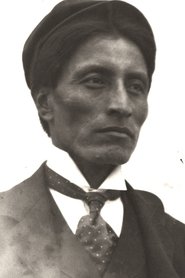
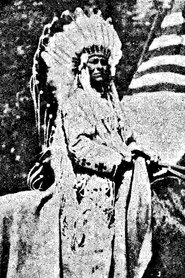
The film was made as an early sound-era feature that blended documentary-style observation with staged dramatic scenes, a common transitional strategy in late silent/early talkie production. It is notable for its effort to depict Indigenous life with an emphasis on seasonal survival, traditional practices, and natural landscapes rather than studio-bound melodrama. Exterior photography in remote Canadian locations was central to its authenticity, and the production reportedly involved working in harsh weather and difficult terrain. The cast included Indigenous performers and one of the best-known Native advocates and speakers of the era, Chief Buffalo Child Long Lance, underlining the film’s attempt to present an ethnographic atmosphere. Because records from the period are incomplete, exact budget and box-office figures are not reliably documented in surviving sources.

Historical Background

The Silent Enemy was made in 1930, a moment when world cinema was shifting from silent films to sound films and many industries were trying to define their national identities through locally rooted stories. In Canada, this was an especially important period because the country’s film culture was underdeveloped compared with Hollywood and British production, and filmmakers often relied on foreign financing or distribution structures. The film reflects contemporary fascination with ethnography, wilderness survival, and the romanticized idea of the North as a proving ground for endurance. At the same time, it emerged during an era when Indigenous representation in popular media was usually distorted by colonial assumptions, making the film both historically valuable and ideologically complicated.

Why This Film Matters

The film is significant as an early Canadian attempt to portray Indigenous life as the central subject of a feature film, rather than as a backdrop for settler adventure. Its mix of dramatization and documentary-style observation gives it a place in the history of ethnographic cinema and early location filmmaking. Although its perspective is shaped by the biases of its time, it remains an important artifact for understanding how Canadian and British filmmakers imagined Indigenous survival, the northern landscape, and national identity in the early sound era. For modern viewers and scholars, it is also notable as a rare surviving example of a period production that engaged directly with Indigenous performers and northern subject matter.

Making Of

The making of The Silent Enemy took place during a formative period for Canadian cinema, when producers were still searching for commercially viable national subjects and production methods. Filmmakers emphasized location shooting and Indigenous casting to give the picture an air of authenticity, but the result also reflects the era’s paternalistic and ethnographic gaze, typical of early twentieth-century representations of Native peoples. The production had to contend with remote logistics, weather, and the limitations of early sound-era filmmaking, which made clean audio and synchronized recording challenging outside studio environments. The involvement of H. P. Carver and British International Pictures points to an international production context, with British interests intersecting with Canadian subject matter. The film’s reputation today rests as much on its unusual subject and location work as on its narrative, since surviving information about the production process is fragmentary.

Visual Style

The cinematography is one of the film’s most striking qualities, with emphasis on expansive northern landscapes, outdoor action, and the visual starkness of winter survival. The use of location photography gives the film a harsh, naturalistic atmosphere that distinguishes it from many studio-produced dramas of the era. Scenes of hunting, travel, and tribal life are framed to showcase environment as an active force in the story, and the imagery likely relies on long shots and observational setups to capture the scale of the terrain. Because the film sits on the border between documentary and fiction, its visual style aims for authenticity and scenic grandeur as much as narrative clarity.

Innovations

The film is notable for its early attempt to merge location shooting, Indigenous casting, and sound-era production methods in a feature-length format. Its hybrid documentary-fiction structure was unusual for the time and gave it an ethnographic quality that set it apart from conventional adventure pictures. The use of real northern environments, rather than studio recreation, was technically and logistically demanding in 1930. While it did not introduce a universally cited breakthrough technology, it stands out as a pioneering example of Canadian location-based production and early sound-era realism.

Music

Specific information about a composed score or credited soundtrack is not reliably documented in surviving reference sources. As a 1930 production, the film may have used either synchronized sound elements, musical accompaniment, or regionally variable exhibition practices depending on venue and release format. Because early sound-era records are incomplete, it is safest to regard the exact musical presentation as uncertain. If screened today, it is often accompanied by archival or restored presentation practices that may differ from the original exhibition experience.

Memorable Scenes

  • The hunting and gathering sequences that emphasize the community’s struggle to secure food before winter fully closes in.
  • The wide shots of the northern landscape, where snow, ice, and distance dominate the frame and underscore the tribe’s vulnerability.
  • The scenes of communal effort and traditional survival knowledge, which present Indigenous cooperation as the key to enduring the season.

Did You Know?

  • The film is often discussed as a hybrid between a feature drama and a quasi-documentary ethnographic record of Indigenous life.
  • It is one of the earlier Canadian films to be made with an explicit focus on Indigenous subject matter and northern survival rather than urban or frontier melodrama.
  • Chief Buffalo Child Long Lance, one of the credited performers, was a controversial and widely publicized Indigenous identity figure of the era.
  • The film’s title has sometimes caused confusion with the unrelated 1934 adventure film The Silent Enemy starring Tom Keene.
  • It is associated with the transitional period in cinema when filmmakers were experimenting with how to incorporate sound, speech, and cultural authenticity into location shooting.
  • The production is remembered for its rugged outdoor imagery and for using the environment itself as a major dramatic element.
  • Some historical accounts describe the film as one of the earliest Canadian features to center on Indigenous people rather than treating them as background figures.
  • Because many early Canadian films survive incompletely or with uncertain archival records, details such as exact running time and release pattern can vary slightly between sources.

What Critics Said

Contemporary critical response appears to have been limited and uneven, as was often the case for smaller international or colonial-era productions of the period. Where it was reviewed, the film was typically assessed for its novelty, scenery, and ethnographic interest rather than as a major dramatic work. Modern criticism tends to focus on its value as a historical document, its visual record of Indigenous actors and northern locations, and its complicated representation of Native life through a colonial lens. Scholars of Canadian cinema and early ethnographic filmmaking often regard it as notable precisely because so few comparable films survive from this era.

What Audiences Thought

Audience response is not well documented in surviving records, but the film likely appealed to viewers interested in wilderness adventure, exoticized northern settings, and culturally specific storytelling. Its relative obscurity today suggests that it did not become a major popular hit or a long-lasting mainstream title. Modern audiences encountering it through archives or retrospectives often respond to its historical authenticity, unusual subject matter, and the contrast between its documentary ambitions and its staged dramatic structure.

Film Connections

Influenced By

  • Ethnographic travel films and expedition documentaries of the 1920s
  • Early wilderness dramas centered on survival in remote environments
  • Colonial-era adventure narratives about the North

This Film Influenced

  • Later Canadian location dramas featuring Indigenous and northern subjects
  • Documentary-fiction hybrids exploring ethnographic themes
  • Early wilderness survival films that use landscape as a primary dramatic force

Film Restoration

The film is not generally regarded as a lost film, but surviving archival information is limited and details about complete elements, restoration status, and circulation history are not consistently documented. It is best described as extant but obscure, with availability dependent on archival holdings or specialized screenings. Because of the age of the film and incomplete surviving records, some material may exist only in partial or restored form.

Themes & Topics

Chippewawinter survivalhuntingCanadian Northfood shortagetribal community