Molly Spotted Elk
Actor
- Born
- October 14, 1903, Princeton, Maine, United States
- Died
- June 1, 1942
- Active
- 1920s-1942
- Birth name
- Mary Alice Nelson
Films 1
About Molly Spotted Elk
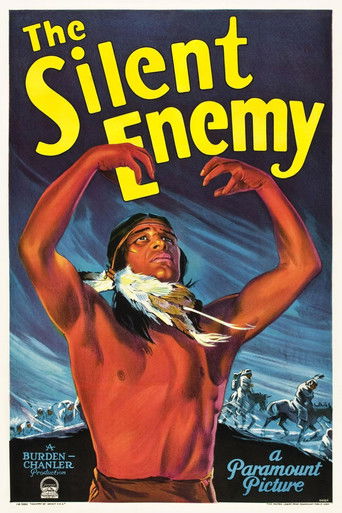
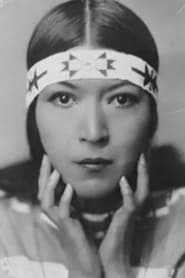
Molly Spotted Elk was a Penobscot actress, dancer, singer, and writer whose screen appearance in The Silent Enemy (1930) made her one of the most visible Native performers of the early sound era. Born Mary Alice Nelson in Maine, she came from the Penobscot Nation and built a career that bridged Native cultural performance and commercial entertainment at a time when Indigenous people were rarely given meaningful representation in film. In addition to her film work, she was widely admired for her stage appearances, where she presented Native dance and song in a manner that combined artistic skill with cultural pride. Her career in the United States and later in Europe reflected both opportunity and hardship, as she sought recognition while navigating the limited roles available to Native performers in mainstream entertainment. She is remembered today as an important early Native American woman in film history and as a cultural figure who asserted her identity in public performance. Her life ended tragically during World War II, but her work has remained significant in discussions of Indigenous representation and early 20th-century performance history.
More about Molly Spotted Elk
On screen
Her screen presence was naturalistic and dignified, with an emphasis on cultural authenticity rather than exaggerated melodrama. Because she was also a dancer and singer, her performance style often blended movement, musical expression, and a strong sense of identity. She is remembered less for a large body of film roles than for the seriousness and grace she brought to the work she did.
In film history
Molly Spotted Elk occupies an important place in film history as one of the few Native American women visible in early Hollywood and early sound-era cinema. Her presence in The Silent Enemy gave audiences an Indigenous performer in a film that, however imperfectly by modern standards, attempted to foreground Native life and traditions. Beyond film, she helped demonstrate that Native women could be artists, public performers, and cultural ambassadors rather than stereotypes confined to peripheral roles. Her life also illustrates the barriers faced by Indigenous performers in early 20th-century entertainment, including typecasting, limited opportunity, and the pressure to perform identity for non-Native audiences. In later scholarship, she has become a figure of renewed interest in Native studies, women’s history, and the history of performance in transatlantic cultural exchange.
Later reputation
Her legacy rests on both visibility and rarity: she is remembered as an early Native actress whose work preceded the wider recognition of Indigenous performers in film. Though her filmography is small, the importance of her appearance in The Silent Enemy has made her a recurring subject in discussions of early Native representation onscreen. She is also significant as a Penobscot woman who used performance to assert cultural presence in an era when Indigenous voices were often excluded or distorted. Her life story has gained additional importance through historical recovery efforts that seek to restore overlooked Native women to the film record. In this sense, her legacy is less about celebrity than about cultural survival, representation, and remembrance.
Influence
Molly Spotted Elk influenced later generations primarily through example rather than through direct mentorship of a large number of performers. She showed that a Native woman could move between stage, screen, and international performance spaces while maintaining a visible Indigenous identity. Her example has helped shape later scholarship and artistic interest in authentic Native representation and in recovering the histories of Indigenous women in entertainment. She also stands as part of the broader lineage of Native performers who challenged Hollywood's narrow definitions of race and femininity.
Off screen
Molly Spotted Elk was born Mary Alice Nelson into the Penobscot Nation in Maine and later adopted the stage name by which she became known publicly. Her life was shaped by both cultural pride and personal struggle, and she worked to support herself through performance in the United States and abroad. She spent significant time in France and other parts of Europe, where she continued performing and moved within artistic circles. Her later life became more difficult during World War II, when wartime circumstances and displacement deeply affected her circumstances.
Education
Formal education is not well documented in surviving mainstream film records; much of what is known about her development comes from biographical accounts, cultural history, and her performance career rather than institutional schooling records.
Credits
- Appeared in The Silent Enemy (1930), one of the earliest feature films to prominently center Native American characters and themes
- Performed on stage in Native dance and music presentations that introduced audiences to Penobscot cultural expression
- Became an important early Indigenous woman working in both American entertainment and European performance circuits
- Is recognized as a pioneer for Native representation in early cinema and popular performance
- Left written and personal testimony that has helped preserve knowledge of her life and experiences
Roles
- Native woman in The Silent Enemy (1930)
Films
- The Silent Enemy (1930)
Collaborators
- Richard Barthelmess
- Preston Foster
Studios
- Fox Film Corporation
Notes
- She was born Mary Alice Nelson and later became known professionally as Molly Spotted Elk.
- She was a member of the Penobscot Nation from Maine.
- The Silent Enemy (1930) is the film most closely associated with her screen career.
- She was not only an actress but also a dancer and singer, often performing Native cultural material.
- Her career extended beyond the United States, and she spent part of her later life in Europe, especially France.
- She is one of the early Native women performers whose life has been revisited by historians and cultural scholars.
- Her life ended during World War II, making her story part of the broader wartime displacement of civilians in Europe.
Questions
Who was Molly Spotted Elk?
Molly Spotted Elk was a Penobscot actress, dancer, singer, and writer born as Mary Alice Nelson in Maine. She is best remembered for appearing in The Silent Enemy (1930) and for her importance as an early Native American woman in film and stage performance.
What films is Molly Spotted Elk best known for?
She is best known for The Silent Enemy (1930), the key screen credit associated with her career. Her importance comes less from a large filmography than from the historical significance of that performance and her role in Native representation.
When was Molly Spotted Elk born and when did she die?
She was born on October 14, 1903, in Princeton, Maine, United States. She died on June 1, 1942, during World War II.
What awards did Molly Spotted Elk win?
No major film awards or formal industry honors are widely documented for her. Her recognition today comes primarily from historical and cultural significance rather than from awards.
What was Molly Spotted Elk's acting style?
Her performance style was noted for dignity, naturalness, and cultural authenticity. Because she was also a dancer and singer, her screen and stage work often blended movement, music, and a strong sense of identity.
What is Molly Spotted Elk's legacy in film history?
Her legacy lies in being one of the early Native American women visible in film history and in helping challenge the absence of Indigenous women from mainstream cinema records. She is now valued as a pioneer whose life and work illustrate both the promise and the limitations faced by Native performers in the early 20th century.
What was Molly Spotted Elk's real name?
Her birth name was Mary Alice Nelson. Molly Spotted Elk was the stage name she used during her performance career.