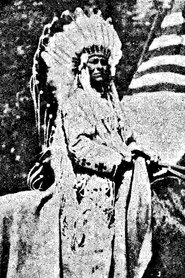
Chief Buffalo Child Long Lance
Actor
- Born
- April 2, 1890, Halifax County, North Carolina, United States
- Died
- March 7, 1932
- Active
- 1930-1930
- Birth name
- Sylvester Clark Long
Films 1
About Chief Buffalo Child Long Lance
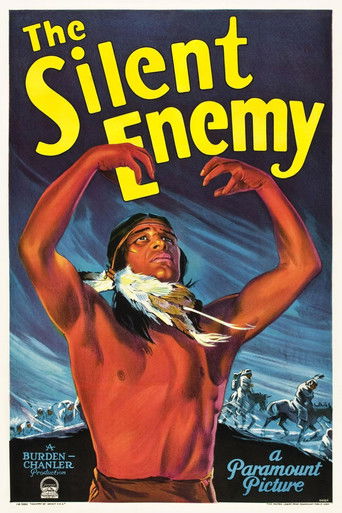
Chief Buffalo Child Long Lance was the professional name used by Sylvester Clark Long, a controversial writer, lecturer, and performer who briefly appeared in early sound cinema. Born in North Carolina and raised amid the racial and social complexities of the American South, he fashioned a public identity as a Native American leader and storyteller, becoming widely known in the 1920s for sensational journalism, lectures, and autobiographical claims that were later exposed as false or heavily fabricated. His motion-picture career was very limited, but he is remembered in film history for appearing in the 1930 sound documentary-drama The Silent Enemy, where he was presented as an Indigenous figure in a production that relied heavily on ethnographic staging and Native themes. Long Lance's screen presence drew on the same cultivated persona that had made him famous in print and on the lecture circuit: dignified, eloquent, and built around an image of ceremonial authority. His career collapsed after investigations challenged his identity claims, and he became one of the most notorious confidence artists of the era, a figure whose name is inseparable from questions of authenticity, race, and representation. Although not a major screen actor in terms of filmography, he occupies a notable place in classic cinema as an example of the era's fascination with exoticized identity and the blurred boundary between documentary realism and performance. His life ended tragically in 1932, but the scandal surrounding him has ensured continuing historical interest in both his writings and his brief film work.
More about Chief Buffalo Child Long Lance
On screen
Available information suggests that his screen manner was restrained, ceremonial, and highly presentational rather than psychologically naturalistic. He projected authority through posture, vocal control, and an aura of authenticity carefully aligned with his public persona. Because his film appearances were extremely limited, his acting style is best understood as an extension of his lecturing and self-fashioning rather than as the product of a sustained film acting career.
In film history
Chief Buffalo Child Long Lance is culturally significant less as a conventional actor than as a cautionary and revealing figure in American media history. His public career exposed how easily print journalism, lecture culture, and early cinema could exploit or romanticize Native identity when wrapped in the authority of performance. In classic film history, his appearance in The Silent Enemy places him within a tradition of early sound productions that marketed ethnographic authenticity while still controlling and staging Indigenous representation through a predominantly non-Indigenous production framework. His story also resonates strongly in later scholarship about racial passing, appropriation, and the performance of ethnicity in American popular culture. Because he was both a creator of myths and a victim of the era's appetite for sensational identity narratives, he occupies a unique and uncomfortable place in the cultural memory of early Hollywood.
Later reputation
His legacy is largely tied to the exposure of his fabricated identity and to the broader historical conversation about authenticity in media. Film historians remember him as a minor but symbolically important presence in early sound cinema, especially because The Silent Enemy has become a reference point for ethnographic filmmaking and the representation of Native peoples. In literary and journalistic history, he is often studied as a skilled self-mythologizer whose work was complicated by deception and exploitation. His life continues to attract attention because it illuminates the prejudices and curiosities of the early 20th-century public sphere, where identity could be commodified, performed, and contested. In that sense, his lasting legacy is less about a body of screen work than about the enduring questions his life raises regarding race, authorship, and truth.
Influence
He influenced later discussions of performance and identity more than any direct acting lineage. His case is frequently cited in studies of racial impersonation and the politics of representation, particularly when examining how public figures leveraged the authority of marginalized identities for status and access. In cinema history, his presence in The Silent Enemy contributes to the understanding of how early film tried to sell authenticity while still relying on constructed images. He did not establish an acting school or a recognizable performance tradition, but his notoriety made him a lasting reference point in debates over cultural appropriation and media credibility.
Off screen
Sylvester Clark Long's personal life was marked by reinvention, secrecy, and ultimately scandal. He constructed and maintained a public identity as a Native American man despite being born in North Carolina and later being exposed as not of the ancestry he claimed. He was married, but reliable details about his domestic life are often entangled with the myths he created around himself, and historical accounts vary in emphasis depending on whether they focus on his self-invention, his journalism, or the scandal that ended his career. His private life became inseparable from his public persona, since the tensions between identity, performance, and social acceptance shaped almost every stage of his adulthood. The emotional and financial pressures resulting from the collapse of his credibility contributed to his tragic final years.
Education
He attended schools in North Carolina and later pursued vocational advancement through journalism and self-education rather than a formally documented elite academic path. Detailed, consistently verified records of higher education are not generally available.
Credits
- Built a national reputation in the 1920s as 'Chief Buffalo Child Long Lance,' presenting himself as an Indigenous leader, writer, and cultural authority
- Published widely read books, articles, and memoir-like works that drew attention for their dramatic claims about Native American life and personal history
- Appeared in the early sound film The Silent Enemy (1930), his best-known screen credit and the main reason he is remembered in cinema history
- Served as a highly visible lecturer and public speaker whose staged persona blurred journalism, performance, and self-mythology
- Became the subject of exposé journalism when his claimed Native ancestry and background were investigated and challenged, leading to a major public scandal
- Remains an important historical figure in discussions of racial impersonation, early 20th-century media manipulation, and representation of Indigenous people in popular culture
Roles
- Indigenous chief/tribal authority figure in The Silent Enemy (1930)
Films
- The Silent Enemy (1930)
Collaborators
- No consistent film collaborators are documented due to his very limited screen career
Studios
- Independent production associated with The Silent Enemy (1930)
Family
- At least one spouse is reported in historical sources, but reliable biographical records vary and full verification is inconsistent
Notes
- He was born Sylvester Clark Long and later adopted the name Chief Buffalo Child Long Lance as part of a public persona.
- He became famous not primarily as an actor but as a journalist, lecturer, and author before appearing in film.
- His claimed Native American identity was later exposed as false, making him one of the most notorious identity impostors of his era.
- The Silent Enemy (1930) is his best-known and essentially only notable film credit.
- His career is often discussed in the context of early 20th-century race relations, media sensationalism, and the public appetite for 'authentic' Indigenous voices.
- He was a highly polished self-promoter, and his speeches and writings were central to his public image.
- His life ended in 1932 under tragic circumstances after his public reputation collapsed.
- Because his story involves performance and fabrication, he is frequently studied by historians of journalism as well as film historians.
Questions
Who was Chief Buffalo Child Long Lance?
Chief Buffalo Child Long Lance was the public name of Sylvester Clark Long, an American writer, lecturer, and performer who became famous in the 1920s and early 1930s. He is best remembered today for his brief film appearance in The Silent Enemy and for the major scandal surrounding his false claims of Native American identity.
What films is Chief Buffalo Child Long Lance best known for?
He is best known for The Silent Enemy (1930), his principal screen credit and the film most associated with his name. His film career was very limited, so that title overwhelmingly defines his presence in classic cinema.
When was Chief Buffalo Child Long Lance born and when did he die?
He was born April 2, 1890, in Halifax County, North Carolina, United States. He died on March 7, 1932, after his public reputation had been severely damaged by the exposure of his fabricated background.
What awards did Chief Buffalo Child Long Lance win?
No major film awards, nominations, or formal entertainment honors are commonly associated with him. His recognition came instead from publicity, sales, and notoriety as a writer and lecturer.
What was Chief Buffalo Child Long Lance's acting style?
His screen presence appears to have been dignified, restrained, and ceremonial, closely aligned with the identity he publicly performed. Since he had only a minimal film career, his style is better understood as an extension of his lecturing persona than as a fully developed acting technique.
What is Chief Buffalo Child Long Lance's legacy in film history?
His legacy lies in the intersection of early cinema, media spectacle, and contested identity. Film historians remember him as a notable example of how the era marketed 'authenticity' while also exploiting and distorting Indigenous representation.