
Films
2 films
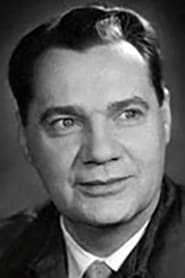
About Dmitri Pavlov
Dmitri Pavlov worked on one surviving credit: Truth is Good, But Happiness is Better (1951). Known primarily for his role in the 1951 comedy film 'Truth is Good, But Happiness is Better' (Pravda khorosha, a schast'e luchshe). This film was based on a classic play by Alexander Ostrovsky and directed by Nikolai Dostal, representing one of the notable Soviet comedy productions of the post-war era. Pavlov's career appears to have been brief, with his only documented film credit being this 1951 production. The film itself was part of the Soviet cinema's tradition of adapting classic Russian literature for the screen, a practice that flourished during the Stalinist and post-Stalinist periods. While details about his broader career and life remain scarce in available historical records, his participation in this significant Soviet literary adaptation places him within the context of mid-20th century Soviet theatrical cinema.
The Craft
Milestones
- Appeared in 'Truth is Good, But Happiness is Better' (1951)
Best Known For
Must-See Films
Working Relationships
Worked Often With
Studios
Why They Matter
Impact on Culture
Dmitri Pavlov's contribution to cinema, while limited in scope, is part of the broader tradition of Soviet actors who participated in literary adaptations during the mid-20th century. His role in 'Truth is Good, But Happiness is Better' connects him to the Soviet practice of bringing classic Russian literature to the screen, which was an important cultural policy during this period. These adaptations served both educational and entertainment purposes, helping to preserve and popularize Russia's literary heritage while creating accessible cinema for Soviet audiences.
Lasting Legacy
Due to the scarcity of documentation about Dmitri Pavlov's career and life, his legacy remains primarily tied to his single known film appearance. Like many character actors from the Soviet era, his contribution exists as part of the collective ensemble that brought classic Russian literature to life on screen during a significant period in Soviet cinema history.
Who They Inspired
Limited available information makes it difficult to assess Dmitri Pavlov's influence on other actors or filmmakers. As a participant in Soviet literary adaptations, he would have been part of the tradition that influenced subsequent generations of Soviet and Russian actors in their approach to classical material.
Off Screen
Very limited information is available about Dmitri Pavlov's personal life. His brief documented career suggests he may have been a character actor or had a short career in Soviet cinema during the early 1950s.
Did You Know?
- Appeared in a film based on Alexander Ostrovsky's classic play
- The film he appeared in was produced by Mosfilm, one of the Soviet Union's most prestigious film studios
- The title 'Truth is Good, But Happiness is Better' reflects the Russian philosophical tradition of exploring moral dilemmas
- The film was released during the early post-Stalin period, when Soviet cinema was beginning to explore more diverse themes
- Ostrovsky's plays were among the most frequently adapted works in Soviet cinema due to their social relevance and artistic merit
Frequently Asked Questions
Who was Dmitri Pavlov?
Soviet with credits in this catalog. His documented career appears to have been brief, with this being his only known film credit.
What films is Dmitri Pavlov best known for?
Titles linked here include Truth is Good, But Happiness is Better (1951).
When was Dmitri Pavlov born and when did he die?
Specific birth and death dates for Dmitri Pavlov are not available in documented sources, though his film career was active in 1951 during the Soviet era.
What awards did Dmitri Pavlov win?
No documented awards or nominations for Dmitri Pavlov are available in the historical records, suggesting he was likely a character actor with a limited filmography.
What was Dmitri Pavlov's acting style?
Limited documentation makes it difficult to determine Dmitri Pavlov's specific acting style, though as a Soviet actor in the early 1950s, he would have worked within the theatrical traditions of Soviet cinema of that period.