Films
1 film
About Sukezō Sukedakaya
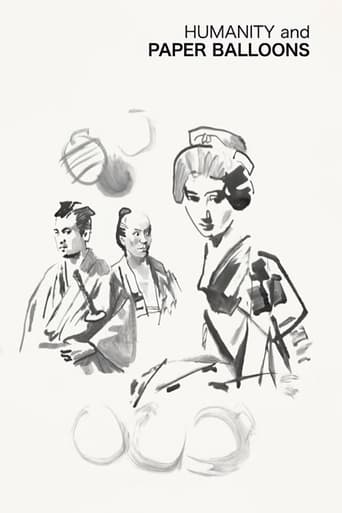
Japanese actor: known film career consists of a single appearance in the 1937 masterpiece 'Humanity and Paper Balloons' directed by Sadao Yamanaka. As an actor working during the early sound era of Japanese cinema, he was part of a generation that transitioned from silent films to talkies. His brief filmography suggests he may have been primarily a stage actor who made only one foray into cinema, or possibly a character actor whose career was cut short by the circumstances of pre-war Japan. The film in which he appeared is now considered one of the greatest achievements in Japanese cinema history, though little is documented about Sukedakaya's specific role or contributions to the production. His existence in the historical record is almost entirely tied to this single, critically acclaimed work that survived the destruction of many Japanese films from this period.
The Craft
Milestones
- Appeared in 'Humanity and Paper Balloons' (1937), now considered a masterpiece of Japanese cinema
Best Known For
Must-See Films
Working Relationships
Worked Often With
Why They Matter
Impact on Culture
Sukezō Sukedakaya's cultural impact is primarily through his participation in 'Humanity and Paper Balloons,' a film that has been recognized as a masterpiece of Japanese cinema and. The film's preservation and restoration have brought international attention to its cast, including Sukedakaya, as representatives of the golden age of Japanese filmmaking. His appearance in this work connects him to the legacy of director Sadao Yamanaka, who died young but left an indelible mark on cinema history.
Lasting Legacy
Sukezō Sukedakaya's legacy is intrinsically tied to the enduring reputation of 'Humanity and Paper Balloons.' As one of only three surviving films by the acclaimed director Sadao Yamanaka, this work ensures that Sukedakaya's contribution to cinema, however brief, is preserved in film history. His name appears in scholarly discussions and retrospectives of this classic film, ensuring his place in the historical record of Japanese cinema even though his career was extremely limited.
Who They Inspired
Due to the brevity of his documented film career, there is little evidence of direct influence by Sukezō Sukedakaya on subsequent generations of actors. However, his participation in a film that influenced directors like Akira Kurosawa means he was part of a work that shaped the trajectory of Japanese cinema.
Off Screen
Very little is documented about Sukezō Sukedakaya's personal life, which is not uncommon for character actors from this era of Japanese cinema. His brief filmography suggests he may have had other careers outside of acting or been primarily involved in theater rather than film.
Did You Know?
- Only known film appearance was in 'Humanity and Paper Balloons' (1937)
- The film he appeared in was one of only three surviving works by director Sadao Yamanaka
- 'Humanity and Paper Balloons' was Yamanaka's final film before his death in military service
- The film was considered lost for many years before being rediscovered and restored
- The name 'Sukedakaya' suggests it may have been a stage name rather than a birth name
- His entire documented film career spans just one year: 1937
- The film he appeared in is now studied in film schools worldwide as a masterpiece
- Many Japanese films from this era were destroyed during WWII, making surviving works particularly valuable
Frequently Asked Questions
Who was Sukezō Sukedakaya?
Japanese with credits in this catalog.
What films is Sukezō Sukedakaya best known for?
Titles linked here include Humanity and Paper Balloons (1937).
When was Sukezō Sukedakaya born and when did they die?
Specific birth and death dates for Sukezō Sukedakaya are not documented in available historical records, which is not uncommon for character actors from this era of Japanese cinema.
What awards did Sukezō Sukedakaya win?
There are no documented awards or nominations for Sukezō Sukedakaya, though the film he appeared in has received significant critical acclaim and recognition in retrospect as a cinematic masterpiece.
What was Sukezō Sukedakaya's acting style?
Due to the limited documentation of his career and only one surviving film appearance, specific details about Sukezō Sukedakaya's acting style are not well-documented in film history.