Richard Erskine
Actor
Born: null in United States Died: null Active: 1936-1936 Birth Name: null
Films
1 film
About Richard Erskine
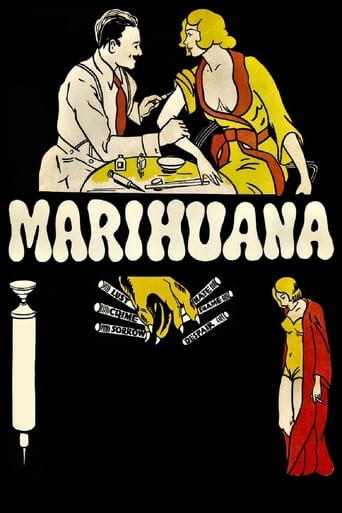
American character actor primarily active during the mid-1930s, best remembered for his roles in the exploitation cinema circuit. He gained significant attention for his portrayal of Morgan Stewart in the 1936 cult classic 'Marihuana' (also known as 'The Devil's Weed'), directed by the notorious Dwain Esper. In the film, Erskine played a wealthy socialite whose engagement to the sister of the protagonist serves as a central plot point regarding social standing and the perceived 'moral decay' of the era. His career was closely tied to the independent 'roadshow' productions that bypassed the strict Hollywood Production Code to explore taboo subjects like drug use and social vice. Beyond his work with Esper, Erskine appeared in other independent features of the time, including the 1936 film 'Polygamy.' Despite a relatively brief screen career, his participation in these high-profile exploitation films has made him a figure of interest for film historians studying the 'Pre-Code' style and the history of drug-scare propaganda in American cinema.
The Craft
On Screen
Erskine utilized a formal, somewhat theatrical acting style typical of the 1930s independent cinema. In his most famous role, he projected an air of upper-class stability and moral rectitude, serving as the 'straight man' to the more chaotic and sensationalized performances of the drug-addicted characters.
Milestones
- Cast as Morgan Stewart in the landmark exploitation film 'Marihuana' (1936)
- Appeared in the independent drama 'Polygamy' (1936) as Clem
- Collaborated with legendary exploitation director Dwain Esper
- Featured in 'roadshow' attractions that defined the 1930s drug-scare genre
- Portrayed high-society characters that contrasted with the 'moral decay' themes of his films
Best Known For
Iconic Roles
Must-See Films
Accolades
Won
Nominated
Special Recognition
Working Relationships
Worked Often With
Studios
Why They Matter
Impact on Culture
Richard Erskine's impact is tied to the cultural phenomenon of the 1930s exploitation film. These movies, while often dismissed as low-budget propaganda, provided a unique look at the social anxieties of the Great Depression era. Erskine's presence in 'Marihuana' helped ground the film's more sensational elements, providing a face for the 'respectable' society that the film's protagonists were supposedly endangering. His work remains a subject of study for those interested in the 'Forbidden Fruit' era of filmmaking, where independent producers challenged the status quo of the Hollywood studio system.
Lasting Legacy
Erskine's legacy is preserved through the cult status of the film 'Marihuana.' As a key cast member in. His performance is frequently cited in retrospectives of the genre and remains accessible to modern audiences through various cult film restorations and historical archives focusing on the history of drug policy and media representation.
Who They Inspired
While Erskine did not have a long-term influence on acting techniques, he influenced the archetype of the 'socialite' in exploitation cinema. His role established a template for the clean-cut, wealthy character whose life is nearly ruined by the 'scourge' of narcotics, a trope that would be repeated in dozens of similar films throughout the 1930s and 1940s.
Off Screen
Little is publicly recorded regarding Erskine's personal life outside of his brief tenure in the film industry. Like many actors in the exploitation circuit of the 1930s, he likely worked in regional theater or as a freelance performer before and after his limited film appearances.
Education
null
Family
Did You Know?
- His most famous film, 'Marihuana,' was often subtitled 'The Weed with Roots in Hell.'
- Erskine's character in 'Marihuana' is the fiancé of Elaine Roberts, played by Dorothy Dehn.
- He appeared in two major independent films released in the same year, 1936.
- The film 'Marihuana' was written by Hildegarde Stadie, the wife of director Dwain Esper.
- Erskine worked alongside Barry Norton, a former silent film star, in some of his productions.
- His films were often shown in 'roadshow' format, where they were moved from town to town with live lecturers.
- Despite the low budget of his films, they often featured elaborate 'high society' sets to contrast with the drug dens.
In Their Own Words
I can't have my name linked with any scandal! (As Morgan Stewart in 'Marihuana', expressing the social anxiety of the era)
Frequently Asked Questions
Who was Richard Erskine?
American with credits in this catalog.
What films is Richard Erskine best known for?
Titles linked here include Marihuana (1936), Polygamy (1936).
When was Richard Erskine born and when did he die?
Born null; died null.
What awards did Richard Erskine win?
Erskine did not win any major mainstream awards, as his work was primarily in the 'roadshow' exploitation circuit which was not recognized by the Academy or similar bodies.
What was Richard Erskine's acting style?
He practiced a formal, theatrical style of acting, often portraying respectable, high-society figures who served as moral anchors in sensationalized plots.