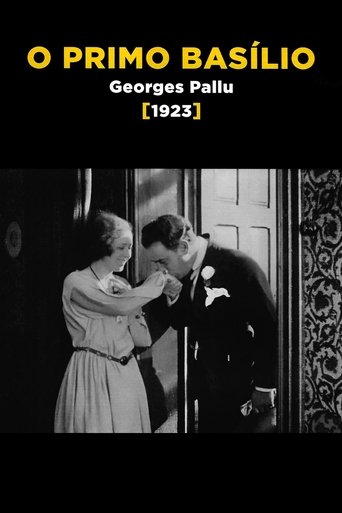
Films
1 film
About Regina Montenegro
This archive lists one role for Regina Montenegro: O Primo Basílio (1923). Which was an adaptation of the famous novel by Eça de Queiroz. The film was directed by Georges Pallu and was one of the earliest feature-length productions in Portuguese cinema history. Montenegro's role in this production represents her entire documented film career, as no other appearances have been recorded in film archives. Like many actors from this period of Portuguese cinema, her career was likely brief and may have been limited to this single production before disappearing from the film industry records. Her contribution to Portuguese cinema, while small, is part of the foundation of the country's early film history during its formative years.
The Craft
On Screen
As a silent film actress from the early 1920s, Regina Montenegro would have employed the exaggerated gestures and facial expressions typical of the era, using dramatic body language and intense eye movements to convey emotion without dialogue. Her performance style would have been influenced by theatrical traditions, as early cinema actors often came from stage backgrounds.
Milestones
- Appeared in 'O Primo Basílio' (1923), one of Portugal's earliest feature films
Best Known For
Iconic Roles
Must-See Films
Working Relationships
Worked Often With
Studios
Why They Matter
Impact on Culture
Regina Montenegro's contribution to cinema, while minimal in scope, represents the broader landscape of early Portuguese film production during its nascent stage. Her participation in 'O Primo Basílio' places her among the generation of Portuguese actors who helped establish the country's film industry. The film itself was significant as an adaptation of one of Portugal's most important literary works, helping to bring national literature to the screen during a period when Portuguese cinema was struggling to find its identity and audience.
Lasting Legacy
Regina Montenegro's legacy is primarily that of a representative figure from the very early days of Portuguese cinema. While she did not achieve lasting fame, her appearance in 'O Primo Basílio' makes her part of the historical record of Portugal's film industry development. She stands as an example of the many actors who participated in early cinema but whose careers were brief and largely undocumented, highlighting the challenges of film preservation and historical record-keeping for early 20th century cinema outside major film production centers.
Who They Inspired
Given her extremely brief and undocumented career, Regina Montenegro's direct influence on subsequent generations of actors and filmmakers appears to be minimal. However, like all early film performers, she contributed to the gradual development of acting techniques and film production methods in Portuguese cinema that would influence later generations of Portuguese filmmakers.
Off Screen
Very little is documented about Regina Montenegro's personal life, which was common for many supporting actors in early Portuguese cinema. Like many performers from this era, detailed biographical information was not systematically preserved, particularly for those who had brief film careers.
Did You Know?
- 'O Primo Basílio' (1923) was one of the first adaptations of Eça de Queiroz's famous novel to film
- The film was directed by French filmmaker Georges Pallu, who worked extensively in Portugal
- Regina Montenegro's entire documented film career consists of this single 1923 production
- The film is now considered lost, like many early Portuguese films from this period
- Early Portuguese cinema struggled with limited resources and small domestic markets
- Most actors from this era of Portuguese cinema left little biographical documentation
- The 1920s was a crucial decade for establishing film industries in smaller European countries
Frequently Asked Questions
Who was Regina Montenegro?
Screen credits include only one known film, 'O Primo Basílio' in 1923. She represents the early generation of Portuguese cinema actors during the industry's formative years.
What films is Regina Montenegro best known for?
Titles linked here include O Primo Basílio (1923).
When was Regina Montenegro born and when did she die?
Specific birth and death dates for Regina Montenegro are not available in historical records, which is common for many actors from early Portuguese cinema who had brief careers and limited documentation.
What awards did Regina Montenegro win?
There are no records of Regina Montenegro receiving any awards or nominations, which was typical for most actors in early Portuguese cinema given the limited award systems and recognition opportunities during that period.
What was Regina Montenegro's acting style?
As a silent film actress from 1923, Regina Montenegro would have used the dramatic gestures, facial expressions, and body language characteristic of the silent era, where emotions needed to be conveyed physically without the benefit of synchronized dialogue.