Dick York
Actor
Born: September 4, 1928 in Fort Wayne, Indiana, USA Died: February 20, 1992 Active: 1947-1984 Birth Name: Richard Allen York
Films
1 film
About Dick York
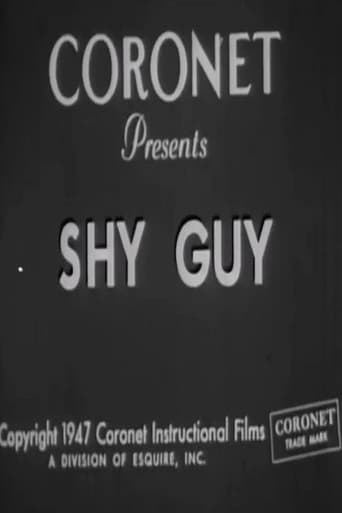
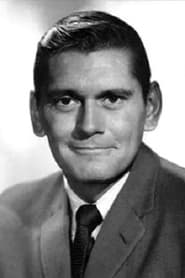
Dick York was born Richard Allen York on September 4, 1928, in Fort Wayne, Indiana. He began his acting career as a teenager in the 1940s, making his film debut in the MGM educational short 'Shy Guy' (1947), where he played a socially awkward adolescent learning to navigate social situations. Throughout the 1950s, he built a solid career in both film and television, appearing in notable productions like 'They Came to Cordura' (1959) alongside Gary Cooper and Rita Hayworth, and the acclaimed courtroom drama 'Inherit the Wind' (1960) with Spencer Tracy. His career reached its zenith when he was cast as Darrin Stephens in the television series 'Bewitched' in 1964, a role that would make him a household name. York's tenure on the show lasted five seasons until 1969, when he was forced to leave due to severe health complications stemming from a back injury sustained during the filming of 'They Came to Cordura.' After his departure from acting, York dedicated his later years to charity work and family life, though he made occasional television appearances. He passed away on February 20, 1992, from emphysema complications, leaving behind a legacy as one of television's most beloved comedic actors.
The Craft
On Screen
York was known for his naturalistic, everyman quality with exceptional comedic timing and a warm, approachable demeanor. His performances were characterized by an earnest sincerity that made his characters relatable, whether playing dramatic roles or comedic situations. In 'Bewitched,' he excelled at physical comedy and exasperated reactions, creating perfect chemistry with Elizabeth Montgomery. His acting style was grounded and realistic, avoiding theatrical mannerisms in favor of subtle expressions and reactions that felt authentic to audiences.
Milestones
- Film debut in MGM short 'Shy Guy' (1947)
- Appeared in 'They Came to Cordura' (1959)
- Starred in 'Inherit the Wind' (1960)
- Cast as Darrin Stephens in 'Bewitched' (1964-1969)
- Made final acting appearance in 'Simon & Simon' (1984)
Best Known For
Iconic Roles
Must-See Films
Accolades
Nominated
- Golden Globe nomination for Best TV Star - Male for 'Bewitched' (1966)
Working Relationships
Worked Often With
Studios
Why They Matter
Impact on Culture
Dick York's portrayal of Darrin Stephens in 'Bewitched' made him an integral part of American television history and popular culture. The show itself became a cultural phenomenon that addressed themes of acceptance, family dynamics, and the clash between normalcy and the supernatural, with York's character representing the quintessential 'everyman' trying to maintain normalcy amid extraordinary circumstances. His chemistry with Elizabeth Montgomery created one of television's most beloved couples, and their interactions helped define the sitcom format for decades. York's departure from the show due to health issues also brought public attention to the physical demands of television production and the challenges actors faced with chronic pain and injury management in an era before workplace safety protections were common in the entertainment industry.
Lasting Legacy
Dick York is primarily remembered as the original and, to many fans, definitive Darrin Stephens from 'Bewitched,' despite the character being recast for the show's final seasons. His early work in educational shorts like 'Shy Guy' demonstrated his natural ability to connect with audiences and address social issues through performance. York's struggle with chronic pain and his graceful departure from his signature role serves as an important chapter in Hollywood history, highlighting the human cost behind entertainment. His legacy extends beyond his acting to include his advocacy for better healthcare and his charitable work in his later years. Many television historians credit York with helping establish the template for the beleaguered but loving husband in family sitcoms, a character archetype that continues to appear in television programming today.
Who They Inspired
York's natural acting style influenced generations of television comedy actors, particularly in his ability to play the straight man to supernatural and comedic elements. His approach to physical comedy while maintaining character authenticity became a model for sitcom actors. The 'Darrin switch' (his replacement by Dick Sargent) demonstrated to television producers how integral casting chemistry could be to a show's success, influencing how networks approached actor replacements in long-running series. His portrayal of dealing with extraordinary circumstances in a relatable manner influenced subsequent sitcoms featuring supernatural or fantastical elements. York's professionalism in continuing to work despite severe pain also set an example for actors dealing with health challenges, though it also served as a cautionary tale about the importance of prioritizing health over career demands.
Off Screen
York married Joan Alt in 1951, and their marriage lasted until his death in 1992, spanning 41 years. They had five children together: Pamela, Amanda, Christopher, Stephen, and Kimberly. Despite his Hollywood fame, York maintained a relatively private family life and was known as a devoted husband and father. His health struggles with chronic back pain and subsequent pain medication dependency significantly impacted his family life in his later years. York — devout Catholic who attended Mass regularly and instilled these values in his children. After retiring from acting, he focused on his family and became involved in charitable work, particularly organizations helping the homeless.
Education
Limited public information available about his formal education, though he attended local schools in Fort Wayne, Indiana before beginning his acting career as a teenager.
Family
- Joan Alt (1951-1992)
Did You Know?
- His back injury occurred during filming of 'They Came to Cordura' when he carried a 180-pound actor across a river
- He was originally offered the role of J.R. Ewing in 'Dallas' but declined due to health issues
- During 'Bewitched,' he sometimes had to lie down between scenes due to excruciating back pain
- He was a devout Catholic who attended Mass regularly throughout his life
- Despite constant pain, he never complained on set and was known for his professionalism
- He earned $5,000 per episode for 'Bewitched' in his final season
- After leaving acting, he became involved in charity work for homeless organizations
- He was replaced by Dick Sargent on 'Bewitched,' leading to what fans called 'the Darrin switch'
- He was a heavy smoker, which contributed to his death from emphysema at age 63
- His final acting appearance was in 1984 in an episode of 'Simon & Simon'
- The educational short 'Shy Guy' was used in schools for decades to teach social skills
- He turned down numerous film roles during 'Bewitched' to focus on the television series
In Their Own Words
I'm not a star. I'm an actor. Stars are people who are famous for being famous. Actors are people who are famous for their work.
On leaving 'Bewitched': 'It was a difficult decision, but my health had to come first. I couldn't continue putting my body through that kind of stress.'
On his back injury: 'The pain was constant, but the show must go on. That's what they taught us in the business.'
On acting: 'The secret to comedy is timing. The secret to drama is truth. The secret to both is listening.'
On his legacy: 'I'm proud to have been part of something that made people happy. That's what entertainment is all about.'
Frequently Asked Questions
Who was Dick York?
American with credits in this catalog. He began his career as a teenager in the 1940s, appearing in films like 'Shy Guy' (1947) before transitioning to television, where he became a household name through his role opposite Elizabeth Montgomery.
What films is Dick York best known for?
Titles linked here include Shy Guy (1947), They Came to Cordura (1959).
When was Dick York born and when did he die?
Born September 4, 1928; died February 20, 1992.
What awards did Dick York win?
Dick York did not receive major industry awards during his career, though he was nominated for a Golden Globe for Best TV Star - Male for his work on 'Bewitched' in 1966. His legacy rests more on his popularity with audiences and his cultural impact rather than critical recognition or awards.
What was Dick York's acting style?
York was known for his naturalistic, everyman approach to acting with exceptional comedic timing and a warm, approachable demeanor. He excelled at playing the straight man in comedic situations while bringing authenticity and relatability to his characters, particularly evident in his portrayal of the constantly exasperated Darrin Stephens dealing with supernatural family matters.
Why did Dick York leave 'Bewitched'?
York left 'Bewitched' in 1969 due to severe health complications from a back injury sustained during the filming of 'They Came to Cordura' in 1959. The chronic pain became so debilitating that he could no longer continue with the physical demands of the show, leading to his replacement by Dick Sargent for the final three seasons.
What was Dick York's first acting role?
York's first acting role was in the 1947 MGM educational short film 'Shy Guy,' where he played a teenager learning to overcome social awkwardness. This early appearance demonstrated his natural talent and ability to connect with audiences, setting the stage for his subsequent career in film and television.