Films
2 films
About Noémi Seize
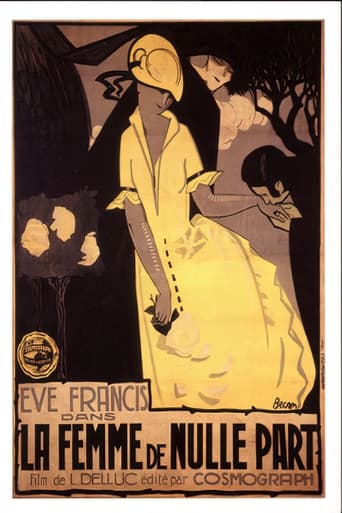
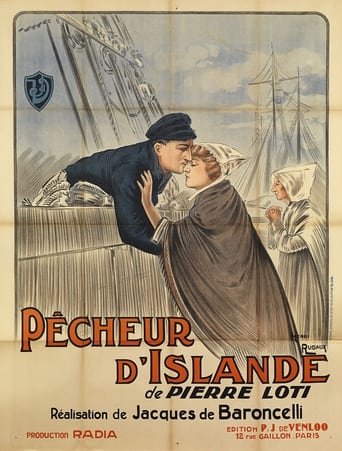
Silent film actress who had a remarkably brief but notable career in European cinema during the early 1920s. Her filmography, though limited to just two known films, demonstrates her involvement in the artistic cinema movement of the era. Noémi appears in 'The Woman from Nowhere' in 1922, followed by 'Iceland Fisherman' in 1924, both productions that reflected the sophisticated storytelling techniques emerging in European cinema during this period. Her only two years, from 1922 to 1924, suggesting she may have been a character actress or someone who briefly explored film before pursuing other interests. The limited nature of her film work makes her a fascinating example of the many talented performers who contributed to early cinema but whose careers were not extensively documented. Her performances, while preserved in these two films, represent a small but valuable contribution to the silent era's artistic legacy.
The Craft
Milestones
- Appeared in 'The Woman from Nowhere' (1922)
- Starred in 'Iceland Fisherman' (1924)
- Participated in European art cinema movement of the early 1920s
Best Known For
Iconic Roles
Must-See Films
Why They Matter
Impact on Culture
Noémi Seize represents the many talented performers who contributed to early European cinema but whose careers were brief and largely undocumented. Her work in the early 1920s places her within the artistic cinema movement that was flourishing in Europe during this period, particularly in France and Germany. While her individual impact may have been limited due to her short career, she is part of the collective foundation of actors who helped establish the language of silent film performance. Her preserved performances in 'The Woman from Nowhere' and 'Iceland Fisherman' serve as valuable artifacts of early 20th century European cinema, contributing to our understanding of the era's acting styles and storytelling techniques.
Lasting Legacy
Noémi Seize's legacy is primarily preserved through her two surviving films from the early 1920s. While she may not have achieved lasting fame, her work contributes to the silent era cinema and serves as an example of the many skilled performers who populated European films during this creative period. Her brief career highlights the transient nature of early film stardom and the challenges many actors faced in establishing lasting careers in the rapidly evolving film industry. For film historians and silent cinema enthusiasts, she represents an intriguing figure whose limited body of work nonetheless adds to our understanding of early 20th century European film culture.
Who They Inspired
Due to her brief career and limited filmography, specific influences on other actors or directors are not well-documented. However, as part of the European art cinema movement of the early 1920s, her performances would have contributed to the evolving acting styles that influenced subsequent generations of film actors. Her work in artistic films during this period places her within the broader context of performers who helped develop the more nuanced and expressive acting techniques that would become standard in cinema.
Off Screen
Very little is documented about Noémi Seize's personal life, which is not uncommon for supporting actors from the silent era who had brief careers. Her limited filmography and the passage of time have left few records of her life outside of her two known film appearances.
Did You Know?
- Had an extremely brief film career spanning only two years (1922-1924)
- Appeared in only two known surviving films
- Her film work coincided with the height of European art cinema in the silent era
- Both of her known films were produced in the early 1920s, a golden period for European cinema
- Like many supporting actors from the silent era, limited biographical information survives about her life
- Her name suggests French or European heritage, consistent with the artistic cinema movement of her era
Frequently Asked Questions
Who was Noémi Seize?
Silent film actress active in European cinema during the early 1920s, known for her appearances in 'The Woman from Nowhere' (1922) and 'Iceland Fisherman' (1924). Her career was brief, spanning only two years, but she contributed to the artistic cinema movement of the era.
What films is Noémi Seize best known for?
Titles linked here include The Woman from Nowhere (1922), Iceland Fisherman (1924).
When was Noémi Seize born and when did she die?
Unfortunately, specific birth and death dates for Noémi Seize are not documented in available historical records, which is common for many supporting actors from the silent era who had brief careers.
What awards did Noémi Seize win?
There are no documented awards or nominations for Noémi Seize, which was typical for many supporting actors in the early 1920s when formal award systems for cinema were still being established.
What was Noémi Seize's acting style?
While specific details about her acting style are not extensively documented, her participation in European art cinema of the early 1920s suggests she likely employed the expressive, nuanced performance techniques characteristic of the sophisticated European film movement of that era.