Scott Kolk
Actor
Born: May 16, 1905 in Baltimore, Maryland, USA Died: December 1, 1993 Active: 1924-1938 Birth Name: Walter Scott Kolk
Films
2 films
About Scott Kolk
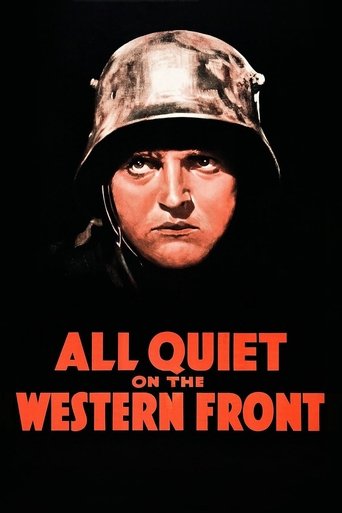
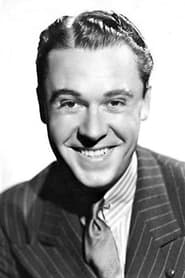
Walter Scott Kolk, known professionally as Scott Kolk, was a versatile American actor and musician whose the transition from silent films to the early sound era. Born in Baltimore and raised in Maine, Kolk began his professional life as a drummer and singer for prominent orchestras, including the Meyer Davis ensemble. His entry into Hollywood was serendipitous; while performing in Venice, Italy, he was discovered by film star Marion Davies, who was so impressed by his talent that she arranged for screen tests at MGM. This led to his film debut in Davies's first talkie, 'Marianne' (1929), and a subsequent contract with Universal Pictures. Kolk is perhaps best remembered for his role as Leer, one of the ill-fated schoolmates in the Academy Award-winning anti-war masterpiece 'All Quiet on the Western Front' (1930). Despite a promising start and a starring role in the 1937 serial 'Secret Agent X-9', Kolk grew disillusioned with the Hollywood lifestyle and eventually retired to a quiet life on a farm in Maine.
The Craft
On Screen
Kolk was known for a naturalistic and earnest screen presence, often portraying youthful, clean-cut characters or soldiers. His background as a professional musician and stage performer provided him with a rhythmic vocal delivery that served him well during the early days of the 'talkies.'
Milestones
- Discovered by Marion Davies while performing as a musician in Venice, Italy
- Cast in the landmark anti-war film 'All Quiet on the Western Front' (1930)
- Starred as the titular hero in the 12-chapter Universal serial 'Secret Agent X-9' (1937)
- Successfully transitioned from a musical stage career to dramatic screen acting
- Appeared in Marion Davies's first sound production, 'Marianne' (1929)
Best Known For
Iconic Roles
Must-See Films
Accolades
Special Recognition
- Preservation of 'All Quiet on the Western Front' in the National Film Registry (1990)
Working Relationships
Worked Often With
Studios
Why They Matter
Impact on Culture
Scott Kolk's participation in 'All Quiet on the Western Front' places him within. As part of the ensemble representing the 'Lost Generation,' his performance contributed to a film that fundamentally changed how cinema depicted the horrors of war. Additionally, his role as 'Secret Agent X-9' helped solidify the popularity of the movie serial format, which was a staple of American cinema culture in the 1930s.
Lasting Legacy
Kolk remains a notable figure for film historians due to his involvement in the early sound era and his association with major stars like Marion Davies and William Powell. His career serves as a poignant example of the 'discovery' narratives of Old Hollywood and the personal toll the industry could take on performers, evidenced by his periodic retreats to rural Maine. He is remembered as a reliable supporting player who helped define the aesthetic of early 1930s dramas.
Who They Inspired
While not a leading man of the stature of his contemporaries like Lew Ayres, Kolk's transition from musician to actor influenced the way studios scouted talent in the early sound era, looking for performers with existing vocal and stage experience.
Off Screen
Kolk was born to Paul Fred Kolk and Annie Elizabeth Hilgartner. He considered South Portland, Maine, his true home and attended military school in Maryland before pursuing music. In the early 1930s, he briefly left Hollywood to live as a recluse on a farm in Maine, seeking a simpler life away from the industry's pressures before returning for a second career stint in the late 1930s.
Education
Summer Street Grammar School (South Portland, Maine); Maryland Military School
Family
- Azadia Newman (1936-1943)
- Margaret Colton (m. Unknown - 1978)
Did You Know?
- He introduced the 'Black Bottom' dance to Washington, D.C., while playing with Meyer Davis's orchestra.
- He was a professional drummer on the Keith Circuit before becoming an actor.
- He was sometimes billed under the name Scott Colton or Walter Kolk.
- At one point, he abandoned Hollywood entirely to become a farmer in Maine because he 'couldn't live with himself' in the film industry.
- He appeared in both the silent and sound versions of the film 'Marianne'.
- His first wife, Azadia Newman, was a noted portrait painter who later married director Rouben Mamoulian.
- He was an avid hunter and outdoorsman during his years in Maine.
In Their Own Words
I got so I couldn't live with myself. (Regarding his decision to leave Hollywood for a farm in Maine in the early 1930s)
Frequently Asked Questions
Who was Scott Kolk?
American with credits in this catalog. He is best known for his role as Leer in the 1930 film 'All Quiet on the Western Front' and for starring in the serial 'Secret Agent X-9'.
What films is Scott Kolk best known for?
Titles linked here include All Quiet on the Western Front (1930), Secret Agent X-9 (1937).
When was Scott Kolk born and when did he die?
Born May 16, 1905; died December 1, 1993.
How was Scott Kolk discovered?
He was discovered by actress Marion Davies while he was performing as a singer and musician in Venice, Italy. She was impressed by his talent and helped him secure screen tests at MGM.
Why did Scott Kolk leave Hollywood?
Kolk grew disenchanted with the Hollywood lifestyle and the film industry. He famously used his savings to buy a farm in Maine and lived in seclusion for a period before briefly returning to acting in the late 1930s.