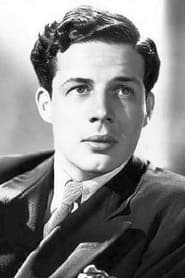
Owen Davis Jr.
Actor
Born: October 6, 1907 in New York City, New York, USA Died: May 21, 1949 Active: 1928-1949 Birth Name: Owen Gould Davis Jr.
Films
1 film
About Owen Davis Jr.
Owen Gould Davis Jr. — prominent American actor of the early talkie era, born into a theatrical dynasty as the son of Pulitzer Prize-winning dramatist Owen Davis and actress Elizabeth Breyer. Despite his parents' initial opposition to an acting career, he excelled in drama at Yale University, where he also served as the captain of the boxing team. He made his professional Broadway debut in 1928 in the play 'Carry On,' which was penned by his father, and quickly transitioned to Hollywood during the industry's pivotal shift to sound. Davis is perhaps best remembered for his role as Peter in the 1930 masterpiece 'All Quiet on the Western Front,' a performance that solidified his place in cinematic history. Throughout the 1930s, he maintained a steady career in both film and theater, often portraying clean-cut juveniles and earnest young leads. After serving in the United States Army during World War II, he pivoted to the nascent medium of television, becoming a successful producer for programs like 'The Chevrolet Tele-Theatre.' His life was tragically cut short in 1949 when he died in a drowning accident on Long Island Sound at the age of 41.
The Craft
On Screen
Davis was known for a naturalistic and earnest acting style that suited the 'everyman' roles of the early sound era. His background as a collegiate boxer and Yale drama student gave him a physical presence that was both athletic and disciplined, allowing him to portray characters with a blend of youthful vulnerability and quiet strength.
Milestones
- Broadway debut in 'Carry On' (1928)
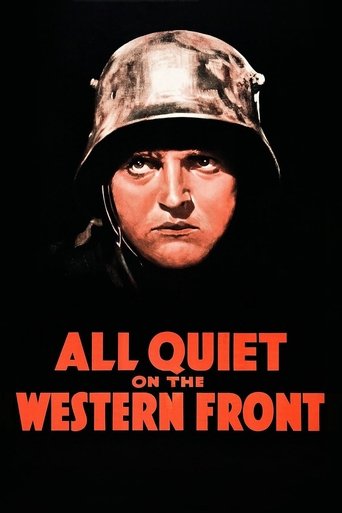
- Cast in the Academy Award-winning 'All Quiet on the Western Front' (1930)
- Starring role in the RKO comedy 'Bunker Bean' (1936)
- Featured role in the iconic biopic 'Knute Rockne, All American' (1940)
- Successful transition to television production with 'The Chevrolet Tele-Theatre' (1948)
Best Known For
Iconic Roles
Must-See Films
Accolades
Special Recognition
- Captain of the Yale University Boxing Team
- Leading student of the Yale School of Drama
Working Relationships
Worked Often With
Studios
Why They Matter
Impact on Culture
As the son of a Pulitzer Prize winner, Owen Davis Jr. Represented the bridge between the traditional American stage and the burgeoning Hollywood film industry. His participation in 'All Quiet on the Western Front' helped define the 'lost generation' archetype on screen, contributing to. His later work in television production marked him as a pioneer of the 'Golden Age of Television,' helping to establish the format of live anthology drama.
Lasting Legacy
Davis's legacy is twofold: he is remembered as a reliable and talented supporting actor of the 1930s and as an early visionary in television production. His tragic death at a young age prevented him from potentially becoming one of the major executive figures in mid-century television. He remains a key figure for film historians studying the transition of theatrical families into the studio system.
Who They Inspired
He influenced the development of television drama through his production work at NBC, setting standards for the 'Tele-Theatre' format that would be followed by many producers in the 1950s.
Off Screen
Owen Davis Jr. Was the son of the famous playwright Owen Davis and actress Elizabeth Drury Breyer. He grew up in a highly creative environment, though his father initially hoped he would pursue a different path. He was married to Laina Muroni. His brother, Donald Davis, also followed the family tradition and became a successful playwright.
Education
The Choate School; Yale University (Yale School of Drama)
Family
- Laina Muroni
Did You Know?
- He was a champion boxer during his time at Yale University.
- His father, Owen Davis, wrote over 200 plays and won the Pulitzer Prize in 1923.
- He made his film debut alongside the legendary Will Rogers in 'They Had to See Paris' (1929).
- He served in the U.S. Army during World War II before returning to entertainment as a producer.
- His death was ruled an accidental drowning by the Nassau County medical examiner after he disappeared from a grounded yacht.
- He appeared in 'The Woman I Love' (1937) which featured the legendary Paul Muni.
- He was a member of the legendary Elitch Theatre's summer stock cast in 1929.
In Their Own Words
I've always felt that the stage gives you a foundation that the camera can't, but the camera captures a moment that the stage can only repeat. (Context: Discussing his transition from Broadway to Hollywood in a 1930s interview)
Frequently Asked Questions
Who was Owen Davis Jr.?
American stage and film with credits in this catalog. He was the son of the Pulitzer Prize-winning playwright Owen Davis and is best known for his role in the classic film 'All Quiet on the Western Front'.
What films is Owen Davis Jr. Best known for?
Titles linked here include All Quiet on the Western Front (1930), Knute Rockne, All American (1940).
When was Owen Davis Jr. Born and when did he die?
Born October 6, 1907; died May 21, 1949.
What was Owen Davis Jr.'s role in the development of television?
After serving in World War II, Davis became a pioneer television producer. He was responsible for 'The Chevrolet Tele-Theatre,' one of the early live drama programs that helped shape the future of the medium.
Did Owen Davis Jr. Win any major awards?
While he did not win major individual acting awards, he appeared in several critically acclaimed films, most notably 'All Quiet on the Western Front,' which won the Academy Award for Best Picture.