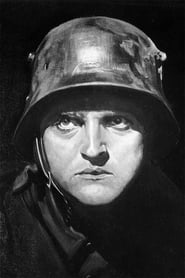
Walter Rogers
Actor
Born: April 6, 1906 in Denver, Colorado, USA Died: November 20, 1943 Active: 1929-1930 Birth Name: Walter Browne Rogers
Films
1 film
About Walter Rogers
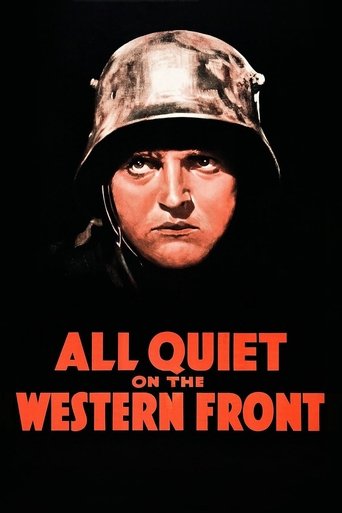
Walter Browne Rogers — American actor whose brief but impactful career in the early sound era is anchored by his performance in one of cinema's greatest anti-war masterpieces. Born in Denver, Colorado, in 1906, Rogers moved to Hollywood during the industry's turbulent transition from silent films to 'talkies.' He secured a contract with Fox Film Corporation and made his screen debut in the 1929 drama 'Seven Faces,' appearing alongside the Paul Muni. However, his most significant contribution to film history came the following year when he was cast as Behn in Lewis Milestone's 'All Quiet on the Western Front' (1930). In this harrowing role, Rogers portrayed a student-turned-soldier whose tragic fate in 'no man's land' served as a visceral symbol of the war's senseless brutality. Despite the massive success of the film, Rogers' acting career did not extend beyond 1930, and he largely faded from the public eye. He lived a quiet life in Southern California until his untimely death in 1943 at the age of 37.
The Craft
On Screen
Rogers utilized a naturalistic and vulnerable acting style suited for the early sound era, moving away from the exaggerated pantomime of the silent period. His performance in 'All Quiet on the Western Front' required a high degree of emotional realism, particularly in scenes depicting the psychological and physical trauma of trench warfare.
Milestones
- Cast in the Academy Award-winning Best Picture 'All Quiet on the Western Front' (1930)
- Made his professional film debut in the Fox Film production 'Seven Faces' (1929)
- Worked under the direction of Academy Award winner Lewis Milestone
- Appeared alongside acting titan Paul Muni in his debut year
- Portrayed the pivotal character Behn, whose death is a key emotional beat in 'All Quiet on the Western Front'
Best Known For
Iconic Roles
Must-See Films
Accolades
Special Recognition
- Ensemble recognition for 'All Quiet on the Western Front' (National Film Registry, 1990)
Working Relationships
Worked Often With
Studios
Why They Matter
Impact on Culture
Though his filmography is small, Rogers' participation in 'All Quiet on the Western Front' connects him to. The film's unflinching portrayal of the 'lost generation' helped shape the public's perception of World War I and established a new standard for realism in combat cinema. Rogers' character, Behn, specifically represents the tragic loss of innocence that defined the era's youth.
Lasting Legacy
Walter Rogers' legacy is preserved through the enduring status of 'All Quiet on the Western Front' as a cinematic landmark. As one of the original 'schoolboy' soldiers in the film, he remains a face of the anti-war movement in cinema. His work is archived in the National Film Registry, ensuring that his contribution to the Golden Age of Hollywood remains accessible to future generations of film historians.
Who They Inspired
His performance contributed to the collective ensemble acting style that influenced subsequent war films, emphasizing the camaraderie and shared suffering of common soldiers rather than idealized heroism.
Off Screen
Walter Rogers was the son of William F. Rogers and Enola M. Rogers. He was raised in Denver before seeking a career in the burgeoning film industry of Los Angeles. On May 21, 1936, he married Viola Alice Naething in his hometown of Denver. The couple later resided in Los Angeles and Orange County, where Rogers spent his final years away from the Hollywood spotlight.
Education
Educated in the Denver public school system before moving to California.
Family
- Viola Alice Naething (1936-1943)
Did You Know?
- He only appeared in two feature films during his entire career.
- He stood 5 feet 11 inches tall, a considerable height for actors of that era.
- He was only 23 years old when he made his film debut.
- His character in 'All Quiet on the Western Front' is the first of the classmates to be killed, setting the grim tone for the rest of the movie.
- He died on the 25th anniversary month of the WWI Armistice (November 1943).
- He is buried at Hollywood Forever Cemetery (formerly Hollywood Memorial Park).
- His debut film 'Seven Faces' is considered a lost film, making his performance in 'All Quiet' his only surviving major work.
In Their Own Words
No, I'm not going! I'm not going to enlist! (As Behn, initially resisting the pressure to join the army in 'All Quiet on the Western Front')
Frequently Asked Questions
Who was Walter Rogers?
American film with credits in this catalog. He is best remembered for his role as the ill-fated soldier Behn in the 1930 classic 'All Quiet on the Western Front'.
What films is Walter Rogers best known for?
Titles linked here include All Quiet on the Western Front (1930), Seven Faces (1929).
When was Walter Rogers born and when did he die?
Born April 6, 1906; died November 20, 1943.
What was Walter Rogers' role in All Quiet on the Western Front?
He played Behn, one of the young students who is persuaded by his teacher to enlist in the German army. His character is famously blinded and killed in 'no man's land' early in the film.
Did Walter Rogers win any awards?
While Rogers did not win individual acting awards, he was part of the ensemble of 'All Quiet on the Western Front,' which won the Academy Award for Best Picture and is widely considered one of the greatest films ever made.