Mustafa Mardanov
Actor
- Active
- 1925-1925
Films 1
About Mustafa Mardanov
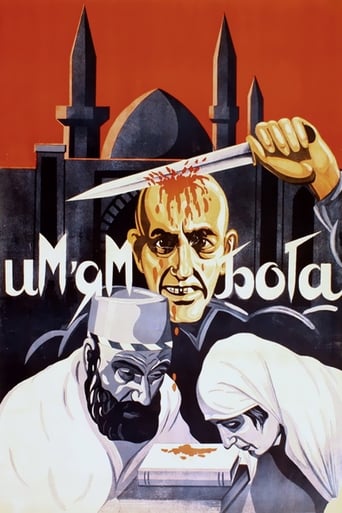
Mustafa Mardanov was an Azerbaijani actor associated with the earliest period of Azerbaijani Soviet cinema and stage performance. He is credited in film history for appearing in the silent film In the Name of God (1925), one of the early screen works from the region and an important document of the developing national cinema. Because his surviving filmography is extremely limited in widely available sources, his broader career is best understood in the context of the Azerbaijani theatrical world, where many early film performers also worked on stage and helped establish modern professional acting traditions. Mardanov belonged to the generation of performers who bridged pre-Soviet, Soviet, and national cultural institutions, and his name is preserved primarily through archival references and film databases rather than a large body of surviving screen work. Available documentation does not provide a fully detailed public record of his birth, death, or complete personal history, which is common for early regional cinema figures whose careers were only partially documented. Even so, his inclusion in In the Name of God places him among the pioneers of the silent-era screen culture in Azerbaijan, where actors often contributed to both artistic experimentation and the formation of a distinctly local cinematic identity. His historical importance lies less in a large celebrity profile than in his role as one of the early working actors who helped build the foundations of Azerbaijani film performance.
More about Mustafa Mardanov
On screen
No detailed contemporary critical description of Mustafa Mardanov's acting style is widely available in accessible sources. Given the silent-era context of his known screen work, his performance would have relied on expressive facial movement, gesture, and stage-trained physical presence rather than spoken dialogue. Actors of this period in Azerbaijani cinema often carried over theatrical techniques, emphasizing clarity of emotion, readable movement, and strong visual character construction. In the absence of surviving critical commentary, it is safest to describe his style as silent-era, stage-influenced acting typical of early regional cinema performers.
In film history
Mustafa Mardanov's cultural impact lies primarily in his place among the foundational figures of early Azerbaijani cinema. Appearing in In the Name of God (1925) connects him to the formative stage of a national film tradition that was still defining its language, performers, and audiences. Actors from this era helped translate theatrical performance into cinematic form and contributed to the emergence of a local screen culture distinct from imported Russian and European models. Even with a sparse surviving film record, his presence in the historical record demonstrates that Azerbaijani cinema depended on a small pool of pioneering artists whose work made later production possible. His contribution is therefore significant as part of the broader cultural memory of early Soviet-era and Azerbaijani film development.
Later reputation
Mardanov's legacy is that of a pioneer whose name remains attached to the silent-era origins of Azerbaijani screen acting. Because his filmography is not extensively preserved in easily accessible mainstream databases, his historical reputation is more archival than popular, but that does not diminish his importance in film historiography. Early actors like Mardanov helped establish the professional presence of native performers in a cinematic field that was still nascent in the 1920s. His surviving credit serves as a reminder of how much of early regional cinema depended on artists whose careers were not widely publicized yet were essential to the medium's growth. For historians of Azerbaijani film, he remains a useful figure for understanding the transition from theater-based performance to cinematic acting in the silent era.
Influence
There is no well-documented evidence of Mustafa Mardanov directly mentoring later major film figures, but his work belongs to the generation that influenced subsequent Azerbaijani actors by example. Early silent performers helped normalize the use of local talent in film production and demonstrated how theatrical performers could adapt to the more visually restrained requirements of cinema. His participation in one of the earliest Azerbaijani films contributed indirectly to the development of performance conventions that later actors inherited and refined. In that sense, his influence is historical and foundational rather than individually traceable through named protégés.
Off screen
Publicly accessible biographical information about Mustafa Mardanov's personal life is very limited. Standard reference sources do not reliably provide details about his marriage, children, family background, or private life. This lack of information is not unusual for early 20th-century regional film performers, especially those whose careers were documented more fully in archives than in contemporary celebrity press. As a result, his personal history remains largely undocumented in commonly available sources.
Credits
- Appeared in the silent film In the Name of God (1925), an early Azerbaijani screen production
- Represented one of the early generations of performers working in the formative period of national Azerbaijani cinema
- Contributed to the silent-era acting tradition in a regional film culture that was still developing its professional standards
- His name is preserved in film history as part of the pioneer cohort of Azerbaijani screen actors
Roles
- Role in In the Name of God (1925)
Films
- In the Name of God (1925)
Studios
- Azerbaijani silent-era film production
Notes
- He is known in available film records primarily for a single confirmed screen credit: In the Name of God (1925).
- His surviving public profile is much smaller than that of major international silent-era stars, which is common for early regional cinema figures.
- He is part of the first generation of performers associated with Azerbaijani screen acting.
- Silent-era actors like Mardanov often moved between stage and screen, since cinema production in the 1920s drew heavily on theater talent.
- Because early Soviet-era archival documentation can be incomplete, many details of his life are not readily available in modern reference sources.
- His name is important to historians mainly for what it reveals about the beginnings of Azerbaijani national cinema.
- In the Name of God (1925) places him in the very early phase of silent film production in the Caucasus region.
Questions
Who was Mustafa Mardanov?
Mustafa Mardanov was an Azerbaijani actor associated with the early silent era of local cinema. He is best known for appearing in In the Name of God (1925), making him part of the pioneering generation of screen performers in Azerbaijan.
What films is Mustafa Mardanov best known for?
He is best known for In the Name of God (1925), which is the primary confirmed screen credit available in widely accessible sources. His historical reputation is tied to this early film and to the broader development of Azerbaijani silent cinema.
When was Mustafa Mardanov born and when did he die?
Reliable birth and death dates are not readily available in commonly accessible reference sources for this performer. As a result, both dates are currently undocumented here rather than guessed.
What awards did Mustafa Mardanov win?
No widely documented awards or nominations are available in accessible sources for Mustafa Mardanov. This is not unusual for early regional silent-era actors, whose work was often recognized historically rather than through formal awards records.
What was Mustafa Mardanov's acting style?
His acting style would have been shaped by the silent era and likely influenced by stage performance traditions. That means expressive gesture, clear physical storytelling, and strong facial expression were probably central to his screen presence.
What is Mustafa Mardanov's legacy in film history?
His legacy is as one of the early actors connected to the beginnings of Azerbaijani cinema. Even with limited surviving documentation, his participation in a 1925 silent film makes him part of the foundation on which later Azerbaijani film culture was built.