Films
1 film
About Madame Boyer
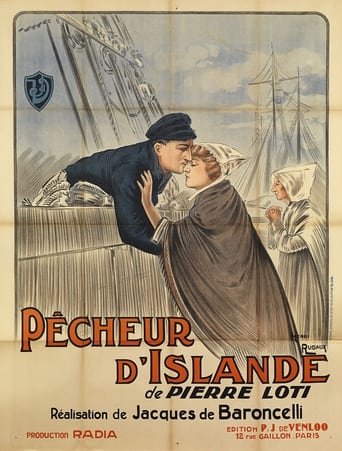
Madame Boyer appeared in silent cinema during the early 1920s. Her only known film credit is in the 1924 production 'Iceland Fisherman' (Pêcheur d'Islande), an adaptation of Pierre Loti's celebrated novel. She was part of the French silent film industry during its golden age, when literary adaptations were particularly popular. Like many actors of her era, her career appears to have been brief, possibly limited to this single production. The film itself was significant as one of several adaptations of Loti's work, which explored themes of love, loss, and maritime life in Brittany. Madame Boyer's contribution to this production, while small in the broader scope of film history, represents the typical journey of many supporting actors in silent cinema who left behind only fragmentary records of their artistic endeavors.
The Craft
Milestones
- Appeared in 'Iceland Fisherman' (1924), an adaptation of Pierre Loti's novel
Best Known For
Must-See Films
Why They Matter
Impact on Culture
Madame Boyer represents the countless supporting actors who contributed to the silent cinema but whose individual stories have been largely lost to time. Her appearance in 'Iceland Fisherman' places her within the important tradition of French literary adaptations in the 1920s, when filmmakers frequently drew from the works of authors like Pierre Loti. While her personal impact on cinema may have been minimal, she was part of a collective effort that helped establish French cinema as a major artistic force during the silent era. The film itself contributed to the popularization of Loti's themes of romantic melancholy and regional authenticity, which influenced subsequent French cinema.
Lasting Legacy
Madame Boyer's legacy is primarily archival, serving as a reminder of the many anonymous contributors to early cinema whose names survive only in film credits. Her story illustrates the transient nature of fame for supporting actors in the silent era, where thousands of performers appeared in films but left behind only their names in production records. She represents the vast, undocumented workforce that made early cinema possible, from bit players to character actors who brought depth to literary adaptations. While she may not have achieved lasting recognition, her participation in 'Iceland Fisherman' connects her to the broader narrative of French cinema's development and the international appeal of literary adaptations during the 1920s.
Who They Inspired
Due to the limited documentation of her career and apparent single film appearance, Madame Boyer's influence on other actors or filmmakers cannot be definitively traced. However, like all actors of her generation, she contributed to the evolving language of silent film performance, particularly in the context of literary adaptations that required actors to embody complex characters from beloved novels. Her work, however brief, was part of the foundation upon which subsequent generations of French actors would build their craft.
Off Screen
Very little is known about Madame Boyer's personal life, as is common with many supporting actors from the silent era who left minimal biographical records. Her use of 'Madame' in her stage name suggests she may have been married, following the French convention of the time.
Did You Know?
- 'Iceland Fisherman' (1924) was one of several film adaptations of Pierre Loti's 1886 novel 'Pêcheur d'Islande'
- The novel was extremely popular in France and was adapted for film multiple times between 1914 and 1959
- The use of 'Madame' in her stage name follows French theatrical conventions of the era for married actresses
- Silent film actors often had very brief careers, with many appearing in only one or two productions
- French cinema of the 1920s was experiencing a golden age of literary adaptations
- Many supporting actors from silent films left behind only their names in credits, with no biographical records
- The film explored themes of Breton maritime culture and tragic romance, popular subjects in French cinema
- 1924 was a significant year for French cinema, with increased international recognition of French films
Frequently Asked Questions
Who was Madame Boyer?
Screen credits include the 1924 film 'Iceland Fisherman'. She represents one of the many supporting actors from early cinema whose careers were brief and whose biographical information is largely lost to history.
What films is Madame Boyer best known for?
Titles linked here include Iceland Fisherman (1924).
When was Madame Boyer born and when did she die?
The birth and death dates of Madame Boyer are not documented in available film archives or historical records. This is common for many supporting actors from the silent era whose biographical information was never formally recorded or has been lost over time.
What awards did Madame Boyer win?
There are no records of Madame Boyer receiving any awards or nominations for her work in cinema. During the silent era, formal award systems for film actors were still developing, and supporting actors rarely received recognition.
What was Madame Boyer's acting style?
Specific details about Madame Boyer's acting style are not available in surviving documentation. However, as a French actress in 1924, she would have worked within the conventions of silent film performance, emphasizing facial expressions and physical gestures to convey emotion without dialogue.