Films
1 film
About Moqiu Wang
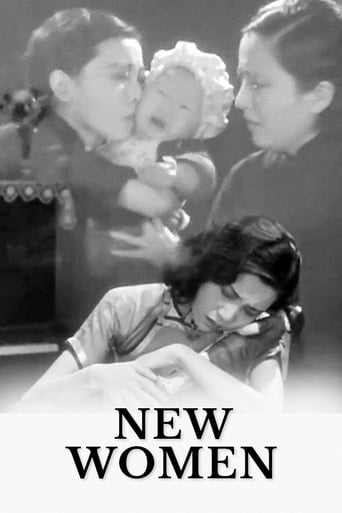
This archive lists one role for Moqiu Wang: New Women (1935). His career was notably brief, with his only documented film appearance being in the 1935 film 'New Women' (Xin nüxing). This film was directed by Cai Chusheng and became works of early Chinese cinema, addressing contemporary social issues and women's liberation. Wang's participation in this important production places him within the context of China's progressive film movement of the 1930s, which was known for its social consciousness and artistic innovation. The film itself gained historical significance partly due to the tragic suicide of its star Ruan Lingyu shortly after its release, which brought international attention to Chinese cinema. While Wang's role in the film was likely supporting, his involvement in this landmark production connects him to a pivotal moment in Chinese film history. Unfortunately, detailed records about many supporting actors from this era are scarce, making comprehensive biographical information about Wang difficult to reconstruct.
The Craft
Milestones
- Appeared in 'New Women' (1935),
Best Known For
Iconic Roles
Must-See Films
Working Relationships
Worked Often With
Studios
Why They Matter
Impact on Culture
Moqiu Wang's contribution to cinema, while limited in scope, is part of the broader cultural significance of 'New Women' (1935), a film that addressed pressing social issues in 1930s China including women's rights, urban modernity, and the challenges faced by women in transitioning from traditional to modern society. The film was part of the left-wing film movement in China that used cinema as a medium for social commentary and change. Wang's participation in this production places him within this important cultural movement that helped establish Chinese cinema as a vehicle for social consciousness and artistic expression during a turbulent period in Chinese history.
Lasting Legacy
Moqiu Wang's legacy is primarily tied to his involvement in 'New Women' (1935), a film that has endured as a classic of Chinese cinema and continues to be studied by film scholars worldwide. While his individual contribution may have been small, being part of such a historically significant production ensures his place in the annals of Chinese film history. The film itself represents a crucial moment in the development of Chinese cinema, blending entertainment with social commentary in ways that would influence future generations of Chinese filmmakers.
Who They Inspired
As a supporting actor in a film, Moqiu Wang's direct influence on subsequent actors or filmmakers is difficult to trace. However, his participation in 'New Women' contributed to the film's success and its lasting impact on Chinese cinema, which in turn influenced countless filmmakers who followed. The film's realistic portrayal of social issues and its sophisticated narrative techniques set new standards for Chinese cinema that would be emulated in later productions.
Off Screen
Very little is documented about Moqiu Wang's personal life, which was common for supporting actors in 1930s Chinese cinema. Many actors from this period left behind limited biographical records, particularly those who appeared in only a few films.
Did You Know?
- 'New Women' (1935) became famous not only for its artistic merit but also for the tragic suicide of its star Ruan Lingyu shortly after the film's release
- The film was censored by Chinese authorities for its social criticism, with several scenes being cut before its final release
- The film's title 'New Women' referred to the emergence of modern, independent women in 1930s Chinese society
- Director Cai Chusheng was
- The film was shot in Shanghai, which was then the center of China's film industry
- Many supporting actors from 1930s Chinese films have been lost to history due to incomplete record-keeping
- The film's themes of women's liberation were highly controversial in 1930s China
Frequently Asked Questions
Who was Moqiu Wang?
Screen credits include the significant 1935 film 'New Women.' His career appears to have been very brief, with this being his only documented film role, which was common for many supporting actors during China's early cinema period.
What films is Moqiu Wang best known for?
Titles linked here include New Women (1935).
When was Moqiu Wang born and when did they die?
Specific birth and death dates for Moqiu Wang are not available in historical records, which was unfortunately common for many supporting actors from 1930s Chinese cinema.
What awards did Moqiu Wang win?
There are no documented awards or nominations for Moqiu Wang, which was typical for supporting actors during this early period of Chinese cinema when formal award systems were not yet established.
What was Moqiu Wang's acting style?
Specific details about Moqiu Wang's acting style are not documented, but actors in 'New Women' were part of China's realistic film movement that emphasized naturalistic performances and social commentary.
Why is 'New Women' (1935) historically significant?
'New Women' is historically significant as a masterpiece of Chinese cinema that addressed women's rights and social issues, and it's remembered for Ruan Lingyu's tragic suicide shortly after its release, which brought international attention to the pressures faced by actors in 1930s China.