Films
1 film
About Fang Lian-Ying
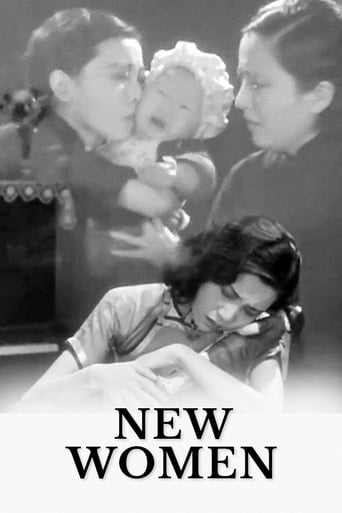
Fang Lian-Ying worked on one surviving credit: New Women (1935). Her career was notably brief but significant, with her most prominent work being in the 1935 classic film 'New Women' (Xin Nüxing). This film, directed by Cai Chusheng, was progressive films of pre-Communist Chinese cinema, addressing women's liberation and social issues. Fang Lian-Ying played a supporting role in this landmark production, which starred the Ruan Lingyu in her final film before her tragic suicide. The film itself became controversial and was heavily censored by the Nationalist government, leading to its director's persecution. Unfortunately, detailed records about Fang Lian-Ying's life and career beyond this single documented film appearance are scarce, which was common for many supporting actors of early Chinese cinema. Her contribution to this historically significant film places her within the context of China's golden age of cinema before the Sino-Japanese War disrupted the industry.
The Craft
On Screen
Limited documentation exists about Fang Lian-Ying's specific acting style, but as a performer in 1930s Chinese cinema, she likely worked within the transitional period between silent film techniques and early sound film methods. Actors of this era in Chinese cinema often blended theatrical influences with emerging filmic naturalism.
Milestones
- Appeared in the landmark 1935 film 'New Women' directed by Cai Chusheng
- Participated in
Best Known For
Iconic Roles
Must-See Films
Working Relationships
Worked Often With
Studios
Why They Matter
Impact on Culture
Fang Lian-Ying's contribution to Chinese cinema, while brief, is historically significant through her participation in 'New Women,' a film that became a cultural touchstone for discussing women's rights and social reform in 1930s China. The film's controversial themes and the tragic circumstances surrounding its star Ruan Lingyu's death made it an enduring symbol of the struggles faced by women in Chinese society and the film industry. Although her role was supporting, being part of such a seminal work places her within the narrative of Chinese cinema's development during its golden age in Shanghai.
Lasting Legacy
Fang Lian-Ying's legacy is intrinsically tied to 'New Women,' which remains. While she may not have achieved lasting fame as an individual performer, her contribution to this historically significant film ensures her place in the annals of Chinese film history. The film continues to be analyzed by scholars for its social commentary, artistic merit, and its role in the development of Chinese cinema as a medium for social critique.
Who They Inspired
Given the limited documentation of Fang Lian-Ying's career beyond her single known film, her direct influence on subsequent generations of performers is difficult to trace. However, her participation in progressive cinema during the 1930s contributed to the broader movement of using film as a vehicle for social change in China, which would influence future generations of Chinese filmmakers and actors.
Off Screen
Very little documented information is available about Fang Lian-Ying's personal life, which was not uncommon for supporting actors in early Chinese cinema. Many performers from this era left behind limited biographical records, especially those who did not achieve stardom status.
Did You Know?
- Appeared in what would be Ruan Lingyu's final film before the legendary actress's suicide
- Participated in
- Worked during Shanghai's golden age of cinema, when the city was known as the 'Hollywood of the East'
- The film 'New Women' was banned by the Nationalist government for its progressive social themes
- Director Cai Chusheng faced persecution following the film's release
- The film's themes of women's liberation were highly progressive for 1930s Chinese society
- Shanghai in the 1930s was the center of Chinese film production, producing over 400 films during the decade
Frequently Asked Questions
Who was Fang Lian-Ying?
Chinese actress active in the 1930s who is primarily known for her appearance in the landmark 1935 film 'New Women.' Her career appears to have been brief, with this film being her most documented work in Chinese cinema history.
What films is Fang Lian-Ying best known for?
Titles linked here include New Women (1935).
When was Fang Lian-Ying born and when did she die?
Specific birth and death dates for Fang Lian-Ying are not well-documented in historical records, which was common for many supporting actors in early Chinese cinema. She was active during the mid-1930s in Shanghai's film industry.
What awards did Fang Lian-Ying win?
There are no documented awards or nominations for Fang Lian-Ying, which was typical for many supporting actors of her era. The film industry in 1930s China had not yet developed the extensive award systems that would come later.
What was Fang Lian-Ying's acting style?
While specific details about Fang Lian-Ying's acting style are not well-documented, as a performer in 1930s Chinese cinema, she likely worked within the transitional period between silent film theatricality and emerging naturalistic techniques in early sound films.
What was the significance of 'New Women'?
'New Women' was a groundbreaking 1935 Chinese film that addressed women's liberation and social reform. It became controversial for its progressive themes, was censored by authorities, and is historically significant as Ruan Lingyu's final film before her tragic death.