Mirzaagha Aliyev
Actor
- Active
- 1925-1925
Films 1
About Mirzaagha Aliyev
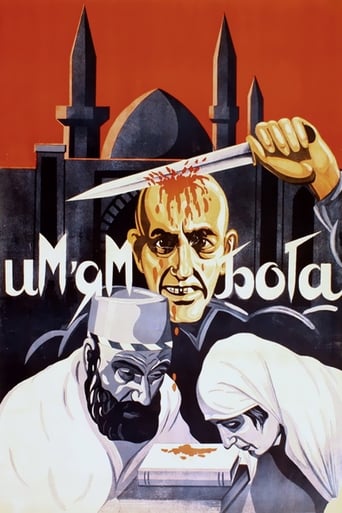
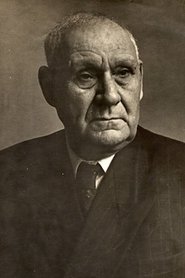
Mirzaagha Aliyev was an Azerbaijani stage and film actor whose name is closely associated with the formative years of Azerbaijani screen culture. Born in the late 19th century, he became renowned first as a theatre performer and then as one of the early figures to appear in Azerbaijani cinema, bringing the discipline and expressive power of stage acting into silent-era film. He is credited in the 1925 film In the Name of God, a title that places him among the pioneers who helped establish acting traditions for the new medium in Azerbaijan. Aliyev's career is best understood in the context of the broader national theatre movement, where performers often moved between stage and screen and helped define modern Azerbaijani dramatic art. His public reputation rests not on a long filmography but on the significance of his artistic presence during a crucial transitional period in regional cinema history. Because surviving biographical documentation in English-language film references is limited, many details of his screen career remain less documented than his importance as a cultural and theatrical figure. He is remembered as part of the foundational generation of actors who shaped Azerbaijani performance style and helped legitimize cinema as an art form in the region.
More about Mirzaagha Aliyev
On screen
Available historical evidence suggests that Aliyev worked in the expressive theatrical mode common to silent cinema, emphasizing gesture, facial expression, and physical presence to communicate character and emotion without dialogue. As a stage-trained performer, he likely brought a controlled, declamatory, and highly visible performance style suited to early film production, where actors often came from theatre. His screen work should be understood as part of the broader silent-era tradition in which clear emotional readability and strong character silhouette were essential. Specific contemporary critical descriptions of his technique are not widely preserved in easily accessible English-language sources.
In film history
Mirzaagha Aliyev belongs to the pioneering generation that helped establish Azerbaijani cinema as a legitimate cultural form in the 1920s. Even though his surviving filmography is extremely small in widely indexed databases, his participation in In the Name of God gives him historical importance as one of the artists who carried stage traditions into the silent screen era. Performers like Aliyev helped define how Azerbaijani actors could adapt theatrical techniques for motion pictures, creating a performance vocabulary that later generations could build upon. His significance is therefore less about volume of screen credits and more about his role in the early institutional and artistic development of national cinema. In a broader cultural sense, Aliyev represents the interconnection between theatre, literature, and film in early Azerbaijani artistic life. Actors of his generation often became symbolic figures in the modernization of performance culture, helping audiences accept cinema as a serious dramatic medium. His legacy is tied to the preservation of early national identity on screen and to the emergence of local talent in a period when cinema was still defining its form and purpose. For historians of regional and Soviet-era film, he is part of the foundation on which later Azerbaijani screen acting was built.
Later reputation
Mirzaagha Aliyev's lasting legacy lies in his status as an early Azerbaijani screen actor and a representative of the theatrical traditions that shaped the country's first films. His name endures in historical film discussions because he is associated with the silent-era period when Azerbaijani cinema was taking root and professional acting for film was still being defined. Although he is not widely known internationally, his contribution is meaningful within national cinema history, where early pioneers often have a disproportionate influence on artistic development. He remains important as a marker of the transition from stage dominance to cinematic storytelling in Azerbaijan.
Influence
Aliyev influenced later actors primarily by example: he demonstrated how a theatre-trained performer could adapt to the silent screen and contribute to an emerging national film culture. His work helped normalize the presence of serious dramatic actors in cinema, encouraging the use of nuanced physical expression and character-centered performance. Even where direct lines of mentorship are not documented, his generation provided the model for subsequent Azerbaijani performers and filmmakers who inherited the early cinematic language being formed in the 1920s. His influence is therefore historical and foundational rather than traceable through a specific acting school or named protégés.
Off screen
Publicly accessible information about Mirzaagha Aliyev's personal life is limited in the standard English-language film references available today. He is primarily documented as an Azerbaijani cultural and stage figure rather than through detailed family or marital biographies. As a result, reliable information on marriages, children, education, or private affairs is not readily available from the sources typically used for film database entries. He is best documented through his artistic contribution rather than through personal anecdotes or celebrity-style reporting.
Credits
- Appeared in the 1925 film In the Name of God, placing him among the early figures of Azerbaijani cinema
- Established recognition as part of the theatrical tradition that fed into the development of silent-era screen acting in Azerbaijan
- Contributed to the cultural transition from stage performance to motion pictures during the early Soviet period
- Helped embody the expressive, character-driven style required of silent film actors in a regional cinema still in its formative stage
Roles
- Role in In the Name of God (1925)
Films
- In the Name of God (1925)
Notes
- He is credited in In the Name of God (1925), one of the early surviving reference points for Azerbaijani silent cinema.
- He is better documented as a cultural and stage figure than as a star with a large surviving filmography.
- His career sits at the intersection of theatre and cinema, which was typical for many performers in the silent era.
- English-language databases often contain only sparse information about him, reflecting the uneven survival of records from early Azerbaijani film history.
- He is part of the pioneering generation that helped establish acting standards in national cinema before sound film became dominant.
- Because of the limited archival record, his screen presence is historically important even if his roles are not widely cataloged today.
Questions
Who was Mirzaagha Aliyev?
Mirzaagha Aliyev was an Azerbaijani actor associated with the early development of national cinema and theatre. He is best known in film history for appearing in In the Name of God (1925), making him part of the silent-era generation that helped establish screen acting in Azerbaijan.
What films is Mirzaagha Aliyev best known for?
He is primarily known for In the Name of God (1925), which is the key surviving screen reference in available film databases. His broader importance comes from being part of the pioneering artistic circle that bridged stage performance and early cinema.
When was Mirzaagha Aliyev born and when did he die?
Precise birth and death dates are not readily available in the accessible English-language film reference material for this performer. He is documented mainly through his artistic activity rather than through a detailed biographical record.
What awards did Mirzaagha Aliyev win?
No widely documented film awards or nominations are readily available for Mirzaagha Aliyev in the standard historical records used for database entries. His significance is historical and cultural rather than award-based.
What was Mirzaagha Aliyev's acting style?
As a performer active in the silent-film era and rooted in theatre, his style would have relied on strong physical expressiveness, clear gesture, and readable emotional presentation. That approach was essential for early cinema, where actors had to convey character and feeling without spoken dialogue.
Why is Mirzaagha Aliyev important in film history?
He is important because he belongs to the foundational generation of Azerbaijani screen performers who helped establish cinema in a region where the medium was still developing. Even with a limited surviving filmography, his presence in an early 1925 film makes him historically significant.