Films
1 film
About Signora Polleti
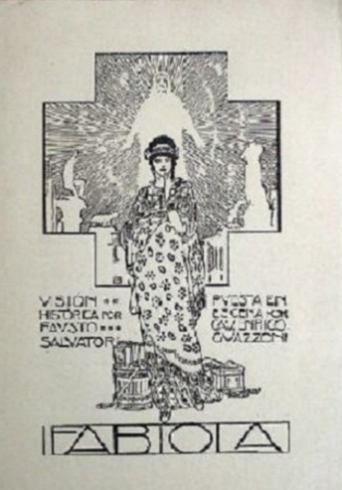
Signora Polleti worked on one surviving credit: Fabiola (1918). ' Her career appears to have been extremely brief, spanning only the year 1918, suggesting she may have been either a bit player, stage actress who briefly ventured into film, or someone who left the industry quickly. The film 'Fabiola' was directed by Enrico Guazzoni and was a significant Italian production of its time, based on the 1854 novel by Cardinal Nicholas Wiseman about early Christian martyrs in ancient Rome. Given the limited documentation of minor actors from this period of Italian cinema, particularly female performers, very little concrete information survives about Polleti's life, training, or career beyond this single appearance. Her presence in the film reflects the large casts typical of Italian historical epics of the silent era, which often required numerous supporting actors for crowd scenes and minor roles.
The Craft
Milestones
- Appeared in the 1918 Italian historical epic 'Fabiola' directed by Enrico Guazzoni
Best Known For
Iconic Roles
Must-See Films
Working Relationships
Worked Often With
Studios
Why They Matter
Impact on Culture
Signora Polleti's cultural impact is minimal due to her extremely brief film career and minor status within the Italian film industry of the 1910s. However, her participation in 'Fabiola' places her within the context of Italy's golden age of silent historical epics, a period when Italian cinema was producing lavish, large-scale productions that competed internationally. These films often featured enormous casts, and performers like Polleti were essential to creating the authentic atmosphere of ancient Rome that characterized such productions. While her individual contribution may have been small, she was part of a significant movement in film history that established many techniques and conventions for historical filmmaking that would influence cinema for decades.
Lasting Legacy
Signora Polleti's legacy is primarily that of a representative example of the countless minor performers who populated early Italian cinema but have been largely lost to film history. Her name survives only in film credits and cinema databases, serving as a reminder of the many anonymous contributors to the art of film during its formative years. The film 'Fabiola' itself has historical significance as an example of early Italian historical epics, and Polleti's inclusion in its cast represents the collaborative nature of film production even in cinema's earliest days.
Who They Inspired
Given her brief and minor career, Signora Polleti had no documented influence on other performers or filmmakers. Her story, however, illustrates the transient nature of many early film careers and the difficulty of preserving the histories of supporting players from the silent era.
Off Screen
No documented personal information is available about Signora Polleti, which was common for minor actors and supporting performers in early Italian cinema. Many such performers came from theater backgrounds or were discovered for specific film projects but left little historical record of their lives beyond their film credits.
Did You Know?
- 'Fabiola' (1918) was one of several film adaptations of Cardinal Wiseman's popular novel, with versions made in 1918, 1949, and 1960
- The 1918 version of 'Fabiola' was directed by Enrico Guazzoni, who was known for his elaborate historical epics
- Italian historical epics of this period were among the most expensive and ambitious films being produced anywhere in the world
- Many supporting actors in silent Italian films were stage actors who supplemented their theater income with film work
- The lack of detailed records about minor actors like Polleti is typical for the period, as film studios did not systematically preserve information about supporting cast members
- Women in early Italian cinema often faced limited opportunities and were frequently typecast or confined to minor roles
- The name 'Signora Polleti' follows the Italian convention of using 'Signora' as a title of respect for married or adult women
Frequently Asked Questions
Who was Signora Polleti?
Screen credits include only one known film, the 1918 historical epic 'Fabiola.' Her career was extremely brief, spanning just the year 1918, and very little biographical information about her survives today.
What films is Signora Polleti best known for?
Titles linked here include Fabiola (1918).
When was Signora Polleti born and when did she die?
The birth and death dates of Signora Polleti are not documented in historical records, which is common for minor actors from early Italian cinema. Her only known film work dates from 1918.
What awards did Signora Polleti win?
Signora Polleti did not receive any documented awards or nominations, which was typical for supporting actors in early cinema, especially those with very brief careers like hers.
What was Signora Polleti's acting style?
No specific information exists about Signora Polleti's acting style or techniques. As a minor performer in a silent film, she likely employed the exaggerated gestures and expressions typical of the era, but her specific approach is not recorded.
Why is so little known about Signora Polleti?
The scarcity of information about Signora Polleti reflects the poor documentation of minor actors in early cinema. Studios focused on stars, and supporting players often left little historical trace beyond their names in film credits.