Films
3 films
About Kazim Ziya
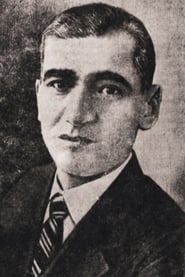
Figure in early Turkish cinema during the transition from silent films to talkies. His nearly two decades, beginning with the silent film era in 1924 and continuing through the early sound period. Kazim appears in 'Maiden Tower Legend' (1924), one of the early examples of Turkish silent cinema that drew from national folklore and cultural heritage. Nearly two decades later, he demonstrated his adaptability by appearing in 'A Family' (1943), showcasing his longevity in the rapidly evolving Turkish film industry. Ziya was part of the first generation of Turkish actors who helped establish the country's national cinema identity during the formative years of the Republic. His work reflected the cultural and social themes prevalent in early Turkish cinema, often focusing on traditional values and national narratives. Though his filmography was relatively small, his contributions during this critical period of Turkish cinema development were significant.
The Craft
On Screen
While specific details about Kazim Ziya's acting style are limited in available records, actors of his era in Turkish cinema typically employed theatrical techniques adapted for the screen. Silent film actors of the period relied heavily on facial expressions and body language to convey emotions, a style that gradually evolved with the advent of sound. His longevity in the industry suggests adaptability to changing performance styles from the exaggerated gestures of silent films to the more naturalistic approach required in talkies.
Milestones
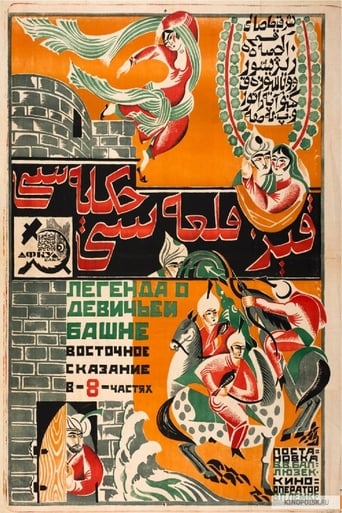
- Appeared in 'Maiden Tower Legend' (1924), an early Turkish silent film
- Transitioned successfully from silent to sound films
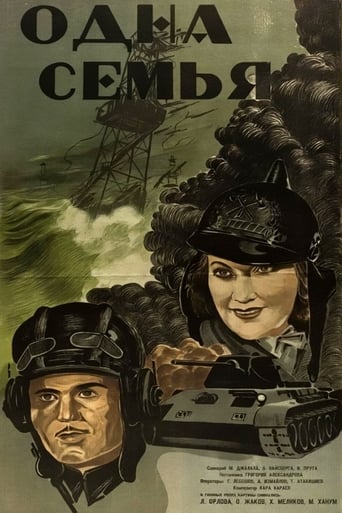
- Featured in 'A Family' (1943) during World War II era Turkish cinema
- Part of generation of Turkish film actors
Best Known For
Iconic Roles
Must-See Films
Why They Matter
Impact on Culture
Kazim Ziya contributed to the foundation of Turkish national cinema during its formative years. His participation in films like 'Maiden Tower Legend' helped establish the tradition of incorporating Turkish folklore and cultural elements into cinema, a practice that would become a hallmark of Turkish filmmaking. As part of the first generation of Turkish film actors, he helped pave the way for future performers in the country's developing film industry.
Lasting Legacy
Though limited documentation exists about Kazim Ziya's complete career, his filmography represents important milestones in Turkish cinema history. His work bridges the gap between the silent era and the sound period in Turkish film, demonstrating the industry's evolution during the early Republican period. The films he appeared in, particularly 'Maiden Tower Legend,' serve as important cultural artifacts that reflect Turkey's cinematic heritage and national identity formation in the early 20th century.
Who They Inspired
As an early pioneer in Turkish cinema, Kazim Ziya's work influenced subsequent generations of Turkish actors by helping establish performance traditions in national film. His career demonstrated the possibilities for longevity in the film industry during a period of rapid technological and artistic change. The themes explored in his films, particularly those drawing from Turkish cultural heritage, influenced the direction of Turkish cinema for decades to come.
Off Screen
Very little information is available about Kazim Ziya's personal life in existing records, which is common for actors from this early period of Turkish cinema. Many details about the private lives of film industry pioneers from the 1920s-1940s in Turkey remain undocumented in accessible archives.
Did You Know?
- Appeared in films nearly 20 years apart, showing remarkable career longevity
- Participated in both the silent and sound eras of Turkish cinema
- 'Maiden Tower Legend' (1924) was based on the famous Turkish legend about Istanbul's Maiden's Tower
- His active years covered the early years of the Turkish Republic, a crucial period for national cinema development
- Like many early Turkish actors, limited documentation exists about his complete filmography and personal details
- His work represents the transition from Ottoman-influenced performing arts to modern Turkish cinema
Frequently Asked Questions
Who was Kazim Ziya?
Turkish with credits in this catalog. He was part of the first generation of actors who helped establish Turkey's national film industry.
What films is Kazim Ziya best known for?
Titles linked here include Maiden Tower Legend (1924), A Family (1943).
When was Kazim Ziya active in cinema?
Kazim Ziya was active in Turkish cinema from 1924 to 1943, covering both the silent film era and the transition to sound films during the early Republican period of Turkey.
What was significant about Kazim Ziya's career?
His career was significant because he represented the generation of Turkish actors who helped establish the country's national cinema identity during its formative years, bridging the gap between silent and sound films in Turkey.
Why is information about Kazim Ziya limited?
Information about Kazim Ziya is limited because he was active during the early years of Turkish cinema when documentation was not as comprehensive as in later periods, and many records from this era have not been preserved or digitized.