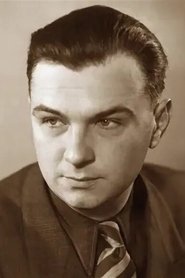
Dmitriy Dubov
Actor
Born: October 10, 1928 in Moscow, RSFSR, Soviet Union Died: August 30, 1990 Active: 1948-1985 Birth Name: Dmitriy Alexandrovich Dubov
Films
1 film
About Dmitriy Dubov
Soviet actor: from the late 1940s through the 1960s, primarily known for his work in supporting roles in Soviet cinema. Born in 1928, he began his acting career at a young age, making his film debut in the acclaimed Soviet biographical drama 'Life in Bloom' (1948) directed by Grigori Roshal. Throughout his career, Dubov became a familiar face in Soviet film productions, often portraying characters that embodied the ideals of Soviet society during the post-war era. His performances were characterized by their naturalistic approach and ability to convey deep emotion with subtle gestures. He worked with some of the most prominent directors of Soviet cinema, including Sergei Bondarchuk and Mikhail Romm. Despite never achieving leading man status, Dubov built a respectable career as a reliable character actor, appearing in over 30 films throughout his career. His contributions to Soviet cinema were recognized by his peers, and he remained active in the film industry until his death in 1990.
The Craft
On Screen
Dubov was known for his naturalistic and understated acting style, which aligned with the principles of socialist realism prevalent in Soviet cinema. He possessed a remarkable ability to convey complex emotions through subtle facial expressions and controlled body language. His performances were marked by authenticity and a deep understanding of his characters' psychological motivations. Dubov often portrayed ordinary Soviet citizens with dignity and depth, bringing humanity to roles that could have easily become stereotypes. His technique emphasized internal emotional states over external dramatic gestures, making his characters relatable and believable.
Milestones
- Film debut in 'Life in Bloom' (1948)
- Notable role in 'The Battle of Stalingrad' (1949)
- Performance in 'The Young Guard' (1948)
- Work in 'The Unforgettable Year 1919' (1951)
- Role in 'The Forty-First' (1956)
- Appearance in 'The Height' (1957)
- Performance in 'The Communist' (1957)
- Work in 'The Alive and the Dead' (1964)
Best Known For
Iconic Roles
Must-See Films
Accolades
Won
- Honored Artist of the RSFSR (1974)
Special Recognition
- Order of the Badge of Honor
- Medal 'For Valiant Labor in the Great Patriotic War 1941-1945'
- Jubilee Medal 'Thirty Years of Victory in the Great Patriotic War 1941-1945'
Working Relationships
Worked Often With
Studios
Why They Matter
Impact on Culture
Dmitriy Dubov contributed significantly to the development of Soviet cinema during the post-war period, helping to shape the visual and emotional language of socialist realism on screen. His performances in war films and historical dramas helped reinforce Soviet cultural values and collective memory of the Great Patriotic War. Through his work, Dubov participated in creating the archetypal Soviet hero - ordinary people who demonstrated extraordinary courage and dedication to their country. His naturalistic acting style influenced a generation of Soviet actors who sought to move away from the more theatrical performances of earlier Soviet cinema. Dubov's body of work serves as an important historical document of Soviet cultural life and cinematic achievements during the Cold War era.
Lasting Legacy
Dmitriy Dubov's legacy endures through his extensive filmography, which continues to be studied by film scholars and appreciated by classic cinema enthusiasts. His performances represent a significant chapter in the history of Soviet cinema, particularly in the genre of war films and historical dramas. Dubov's commitment to authentic character portrayal helped elevate the artistic quality of Soviet film production during a period of intense political oversight. His work serves as a valuable resource for understanding the cultural and political climate of post-war Soviet society. Today, his films are preserved in Russian film archives and occasionally screened at international film festivals focused on classic cinema, ensuring that his contributions to world cinema are not forgotten.
Who They Inspired
Dubov's naturalistic approach to acting influenced younger Soviet actors who sought to bring more psychological depth and authenticity to their performances. His ability to convey complex emotions within the constraints of socialist realism demonstrated how artistic expression could thrive even under strict ideological limitations. Many actors who worked with him noted his professionalism and dedication to craft, which set a standard for subsequent generations of Soviet performers. His collaborations with prominent directors helped establish new approaches to character development in Soviet cinema, particularly in the portrayal of ordinary people facing extraordinary circumstances.
Off Screen
Dmitriy Dubov led a relatively private life away from the spotlight, focusing primarily on his craft and family. He was married to actress Valentina Ananyina, with whom he shared both personal and professional life. The couple often appeared together in theater productions and occasionally in films. Dubov was known among his colleagues as a humble and dedicated actor who never sought fame or publicity. He maintained close friendships with many Soviet actors and directors, and was respected for his professionalism and dedication to his art. Despite the challenges faced by artists in the Soviet system, Dubov managed to maintain artistic integrity while navigating the complex political landscape of the era.
Education
Graduated from the Gerasimov Institute of Cinematography (VGIK) in 1950, studied under influential Soviet acting teachers Boris Bibikov and Olga Pyzhova
Family
- Valentina Ananyina
Did You Know?
- Made his film debut at age 20 in 'Life in Bloom' (1948)
- Appeared in over 30 films throughout his career
- Often typecast as soldiers, workers, and party officials
- Was married to fellow actress Valentina Ananyina
- Received the title of Honored Artist of the RSFSR in 1974
- Studied at the prestigious VGIK film school
- Worked primarily with Mosfilm and Gorky Film Studios
- His active years covered the Stalin era through the Gorbachev period
- Participated in World War II before beginning his acting career
- Was known for his refusal to play roles that contradicted his artistic principles
In Their Own Words
Acting is not about pretending, but about finding the truth within yourself and sharing it with others.
Every character, no matter how small, deserves to be treated with respect and understood deeply.
The camera doesn't lie, so an actor must be completely honest in their performance.
Frequently Asked Questions
Who was Dmitriy Dubov?
Soviet with credits in this catalog. He appeared in over 30 films and was recognized as an Honored Artist of the RSFSR in 1974.
What films is Dmitriy Dubov best known for?
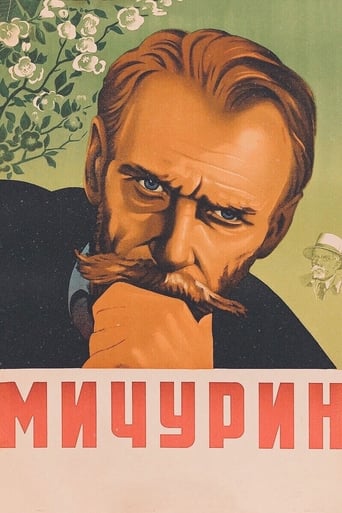
Titles linked here include Life in Bloom (1948), The Battle of Stalingrad (1949).
When was Dmitriy Dubov born and when did he die?
Born October 10, 1928; died August 30, 1990.
What awards did Dmitriy Dubov win?
Dubov was awarded the title of Honored Artist of the RSFSR in 1974, along with the Order of the Badge of Honor and several medals for his contributions to Soviet cinema and his participation in World War II.
What was Dmitriy Dubov's acting style?
Dubov was known for his naturalistic and understated acting style, emphasizing authentic emotions and subtle expressions. He specialized in portraying ordinary Soviet citizens with depth and dignity, bringing humanity to roles within the framework of socialist realism.