Abbas Mirza Sharifzadeh
Director
- Born
- March 16, 1893, Shamakhi, Azerbaijan
- Died
- October 16, 1937
- Active
- 1910s-1920s
- Birth name
- Abbas Mirza Asgarzadeh
Films directed 1
About Abbas Mirza Sharifzadeh
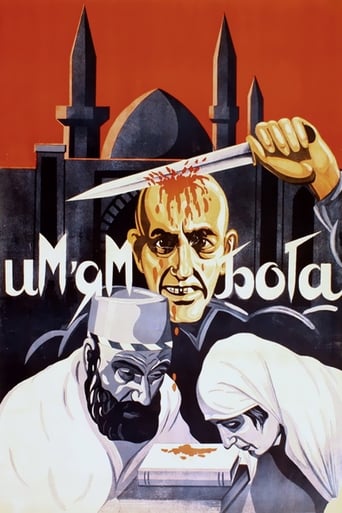
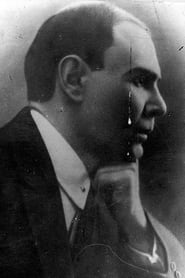
Abbas Mirza Sharifzadeh was an Azerbaijani stage and screen artist best known as one of the major figures of early Azerbaijani theatre and cinema, and he is generally remembered today as both an actor and a director rather than as a filmmaker with a large surviving directorial output. Born in Shamakhi in the late 19th century, he became associated with the modern professionalization of performance in Azerbaijan during the Russian Imperial and early Soviet periods, working in a cultural environment that was rapidly defining its own national identity. He built his reputation first on the stage, where he was admired for his disciplined technique, strong presence, and ability to move between tragedy, satire, and psychologically nuanced characterization. In cinema, his name is closely connected with the silent-era film In the Name of God (1925), a title that places him among the small but significant group of pioneers who helped establish Azerbaijani screen art in its earliest years. His career and life were cut short during the Stalinist purges, and he is widely remembered as a talented artist whose work was interrupted by political repression. Because much of the early film record from the region is fragmentary, details of his screen career are less extensive than those of his stage career, but his historical importance in Azerbaijani cultural history is considerable. He remains a respected figure in studies of Caucasian and Soviet-era theatre and cinema, symbolizing both the flowering and the vulnerability of early national arts.
More about Abbas Mirza Sharifzadeh
Behind the camera
His directing work is sparsely documented, but his known film involvement suggests a style rooted in the theatrical discipline of the early 1920s and the expressive demands of silent cinema. He likely favored clear dramatic staging, strong character emphasis, and economical visual narration, reflecting the practical and aesthetic conditions of early Azerbaijani filmmaking. Given his theatre background, his direction would have been shaped by actor-centered scene construction and an attention to performance detail. The surviving historical record does not preserve enough information to define a fully developed auteur style with confidence.
In film history
Abbas Mirza Sharifzadeh occupies an important place in the cultural history of Azerbaijan because he represents the generation that transformed performance from a largely amateur or itinerant practice into a more modern, nationally self-conscious art form. His work in theatre helped establish standards for serious dramatic acting, while his involvement with early cinema connected that theatrical tradition to the emerging visual medium of film. As an artist working during the silent era, he belongs to the small group of performers and filmmakers who laid the groundwork for Azerbaijani screen culture before the industry became more institutionalized. His later persecution under Stalin also made him part of the broader story of how political repression devastated the cultural intelligentsia in the Soviet republics. In this sense, his significance is not limited to a single film credit; he is remembered as a symbolic figure of artistic achievement, cultural modernization, and historical loss. For scholars of Caucasian cinema, he is one of the names that marks the bridge between theatre culture and early national filmmaking.
Later reputation
Sharifzadeh's legacy rests on his role as a pioneer of Azerbaijani dramatic art and as one of the early figures associated with the country's silent cinema. Although only a small portion of his film work is widely documented, his historical reputation is secure because of the broader influence he exerted on stage performance and on the professionalization of acting in Azerbaijan. He is remembered as a representative of an important formative era in which artists helped define modern Azerbaijani cultural identity under difficult political circumstances. His death during the Stalinist purges gave his memory an added dimension of tragedy, and he is often invoked as part of the generation of artists whose lives and careers were destroyed by state violence. His enduring place in film history is less about a large surviving filmography than about his pioneering status and the example he set for later performers and directors. In archival and historical studies, he remains an essential name for understanding the beginnings of Azerbaijani cinema and theatre.
Influence
He influenced later Azerbaijani performers by demonstrating how stage-trained actors could adapt to the condensed, image-driven language of cinema. His disciplined dramatic style helped establish an expectation of professionalism and psychological seriousness in performance. More broadly, his career served as a model for artists working at the intersection of theatre and film in the early Soviet republics. His life story also influenced cultural memory by becoming an example of how political repression could erase or endanger artistic achievement.
Off screen
Sharifzadeh lived during a turbulent historical period that included imperial collapse, revolutionary upheaval, and the consolidation of Soviet power in Azerbaijan. Like many artists of his generation, he moved in a cultural world where theatre, education, and political identity were closely connected. His life ended tragically during the Great Purge, when many intellectuals and cultural figures in the Soviet Union were arrested and executed. Publicly available sources generally emphasize his artistic importance and martyr-like place in cultural memory more than intimate family details, which are limited in widely accessible references.
Education
Specific formal academic details are not consistently documented in widely available sources; he is known primarily through his professional training and practice in theatre rather than through a clearly recorded higher-education history.
Credits
- Became one of the leading early performers in Azerbaijani theatre, helping shape a modern professional stage tradition in the region.
- Expanded into cinema during the silent era and is associated with In the Name of God (1925), one of the notable early Azerbaijani screen productions.
- Gained recognition for his ability to portray emotionally intense, intellectually controlled, and socially resonant dramatic roles.
- Worked during a foundational period for Azerbaijani national culture, when theatre and cinema were both emerging as modern artistic institutions.
- His artistic career was interrupted and ultimately ended by Soviet political repression, making him one of the tragic cultural losses of the Stalin era.
Roles
- Leading dramatic roles in Azerbaijani stage productions of the early 20th century
- Performance associated with In the Name of God (1925)
Films
- In the Name of God (1925)
Honors
- Remembered as a foundational figure in Azerbaijani theatre and early cinema
- Commemorated in Azerbaijani cultural history for his contributions to national performance art
Collaborators
- Early Azerbaijani theatre artists and stage ensembles in Baku
- Silent-era Azerbaijani film producers and performers
Studios
- Azerbaijani early film production circles
- State and repertory theatre institutions in Baku
Notes
- He is best known today not for a long filmography but for his foundational role in Azerbaijani theatre and early cinema.
- He was born in Shamakhi, a city with deep historical and cultural significance in Azerbaijan.
- His life and career were interrupted by the Stalinist purges, making him one of many artists whose potential output was cut short by political repression.
- He is associated with the silent film In the Name of God (1925), an important early Azerbaijani screen title.
- Sources on his life often emphasize his stage career more than his screen career because theatre records are somewhat better preserved than early regional film records.
- He belongs to the generation that helped create a modern Azerbaijani professional theatrical tradition.
- His historical importance is as much cultural and national as it is strictly cinematic.
- He is sometimes discussed in the context of the broader development of Soviet and Caucasian performing arts.
Questions
Who was Abbas Mirza Sharifzadeh?
Abbas Mirza Sharifzadeh was an Azerbaijani actor and director who became one of the important pioneers of early 20th-century Azerbaijani theatre and cinema. He is especially remembered for helping establish a modern professional standard for dramatic performance and for his association with the silent film In the Name of God (1925).
What films is Abbas Mirza Sharifzadeh best known for?
He is primarily associated with In the Name of God (1925), which is the key film credit most often linked to his name. Because much of the early Azerbaijani silent film record is incomplete, his screen legacy is less extensive than his stage legacy.
When was Abbas Mirza Sharifzadeh born and when did he die?
He was born on March 16, 1893, in Shamakhi, Azerbaijan. He died on October 16, 1937, during the Stalinist purges.
What awards did Abbas Mirza Sharifzadeh win?
No widely documented formal awards are consistently associated with him in the surviving public record. His recognition comes mainly from his historical importance, his pioneering artistic work, and his lasting reputation in Azerbaijani cultural history.
What was Abbas Mirza Sharifzadeh's style as a performer and director?
He was known for serious, disciplined dramatic performance with strong psychological clarity and expressive physical control. As a director, he likely favored actor-centered, theatrical staging adapted to the visual needs of silent cinema, though the surviving record is too limited to define a detailed stylistic profile.
What is Abbas Mirza Sharifzadeh's legacy in film history?
His legacy lies in being one of the early figures who helped connect Azerbaijani theatre to cinema during the silent era. He is remembered not only for his artistic work but also as a symbol of the cultural generation whose development was tragically cut short by political repression.