
Films
3 films

About António Pinheiro
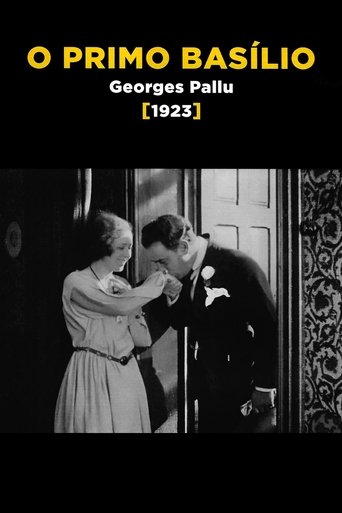
Figure in Portuguese cinema during the silent film era, active primarily in the early 1920s. His career, though brief, coincided with the formative years of Portuguese cinema when the country was developing its own film industry. Pinheiro appeared in two significant Portuguese silent films that represented some of the earliest attempts at adapting Portuguese literary works to the screen. His performance in 'O Primo Basílio' (1923), an adaptation of Eça de Queiroz's celebrated novel, demonstrated his ability to bring literary characters to life in the medium of film. While his filmography was limited to these two known works, his contributions helped establish the foundation for Portuguese narrative cinema. Pinheiro's work reflected the theatrical acting style common in silent films, where exaggerated gestures and expressions were essential for conveying emotion and story without dialogue. His career represents an important chapter in Portugal's cinematic history, though like many early film actors, much of his personal story remains undocumented.
The Craft
On Screen
Theatrical and expressive, typical of silent film era actors who relied on physical gestures and facial expressions to convey emotion and narrative without dialogue
Milestones
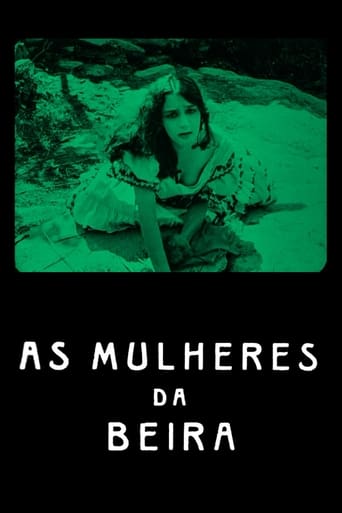
- Starred in 'Mulheres da Beira' (1921), one of Portugal's early narrative films
- Appeared in 'O Primo Basílio' (1923), an adaptation of Eça de Queiroz's classic novel
- Contributed to the development of Portuguese silent cinema
- Participated in the transition from theatrical performance to film acting in Portugal
Best Known For
Iconic Roles
Must-See Films
Working Relationships
Worked Often With
Studios
Why They Matter
Impact on Culture
António Pinheiro's work contributed to the early development of Portuguese cinema during a crucial period when the country was establishing its own film identity. His participation in adaptations of Portuguese literature helped bridge the gap between the country's rich literary tradition and the emerging art form of cinema. These early films were instrumental in creating a uniquely Portuguese cinematic language that drew from the nation's cultural heritage.
Lasting Legacy
Though his career was brief and occurred nearly a century ago, António Pinheiro represents the generation of Portuguese film actors who helped establish the foundation for Portuguese cinema. His work in early adaptations of Portuguese literature demonstrated the potential of cinema to preserve and reinterpret national cultural treasures. These early silent films, while technically primitive by modern standards, were crucial in developing Portugal's film industry and artistic voice.
Who They Inspired
As an early figure in Portuguese cinema, Pinheiro's work influenced subsequent generations of Portuguese actors by demonstrating how literary characters could be successfully translated to the screen. His performances helped establish acting conventions for Portuguese cinema that would evolve throughout the 20th century.
Off Screen
Very little is documented about António Pinheiro's personal life, which is common for actors from the early Portuguese silent film era. Records from this period in Portuguese cinema history are scarce, and many details about the personal lives of early film actors have been lost to time.
Did You Know?
- Appeared in two of the earliest Portuguese narrative films
- Participated in the first film adaptation of 'O Primo Basílio', one of Portugal's most famous novels
- His active years covered the peak years of Portuguese silent cinema
- Like many early film actors, likely came from a theatrical background
- His films were made during a period when Portuguese cinema was struggling to establish itself against foreign imports
- The early 1920s represented a brief golden age for Portuguese silent film production
- His work helped preserve Portuguese literary works through the medium of film
- Silent film actors of his era had to master the art of pantomime and exaggerated expression
Frequently Asked Questions
Who was António Pinheiro?
Portuguese with credits in this catalog. He appeared in two significant Portuguese films, 'Mulheres da Beira' (1921) and 'O Primo Basílio' (1923), contributing to the early development of Portuguese cinema.
What films is António Pinheiro best known for?
Titles linked here include Mulheres da Beira (1921), O Primo Basílio (1923).
When was António Pinheiro active in film?
António Pinheiro was active as a film actor from 1921 to 1923, during the peak years of Portuguese silent cinema production. His career was brief but occurred during a crucial formative period for Portuguese film.
What was António Pinheiro's acting style?
Pinheiro's acting style was typical of the silent film era, featuring theatrical and expressive performances. Like other actors of this period, he relied heavily on physical gestures, facial expressions, and body language to convey emotions and advance the narrative without dialogue.
What is António Pinheiro's significance in Portuguese cinema?
Pinheiro is significant as one of the actors in Portuguese cinema who helped establish the foundation for the country's film industry. His work in literary adaptations demonstrated how Portuguese cultural heritage could be preserved and reinterpreted through cinema.
Are any of António Pinheiro's films preserved today?
Unfortunately, like many early Portuguese films, the survival status of Pinheiro's films is uncertain. Many silent films from this period in Portugal have been lost due to the fragile nature of early film stock and inadequate preservation methods in the early 20th century.